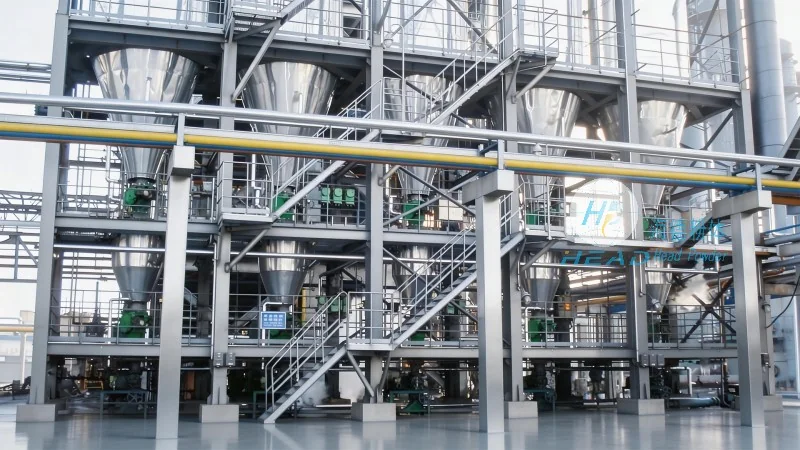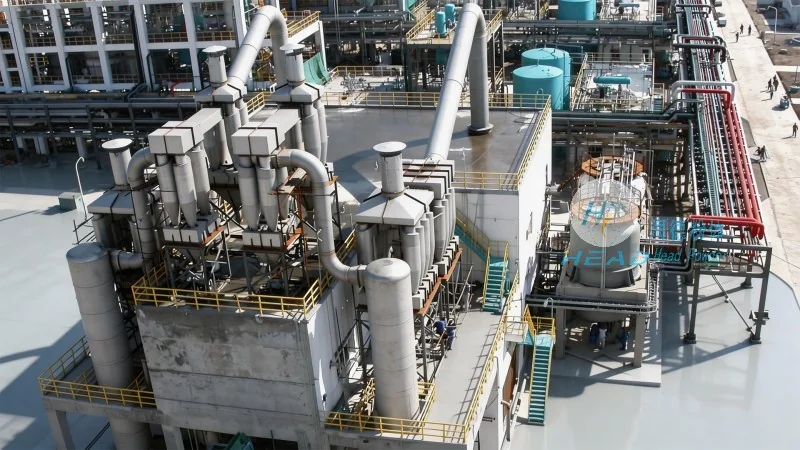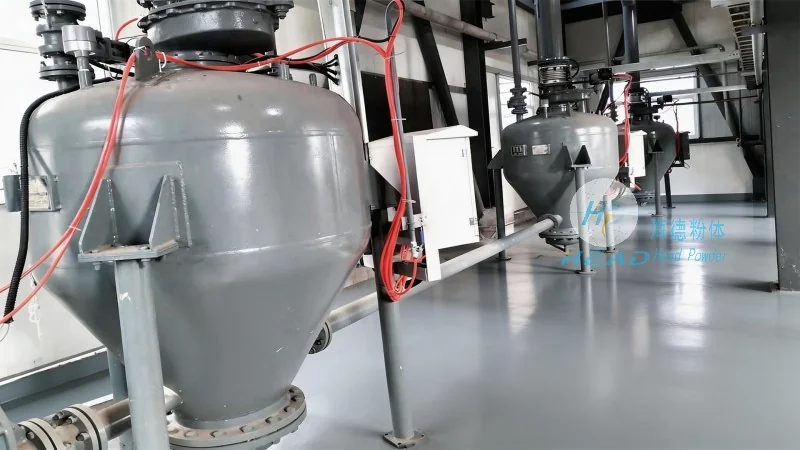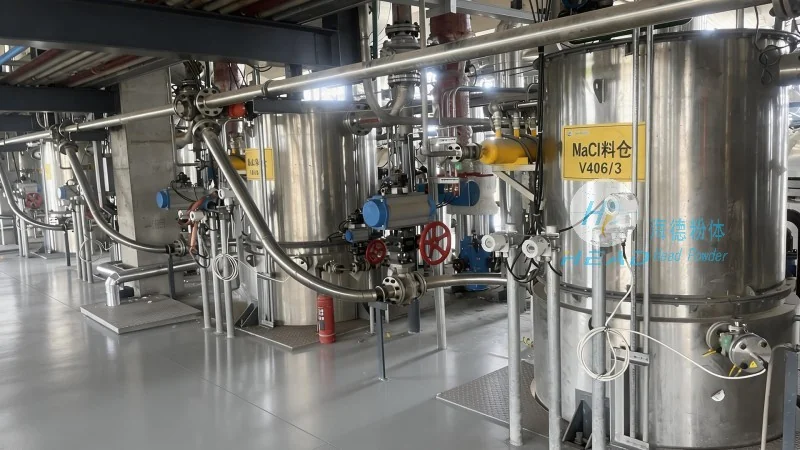

With over a decade of experience in the pneumatic conveying industry, our company specializes in a full range of pneumatic conveying system equipment.
您的当前位置:首页 >> News >> Technical FAQ

News

Rich project cases across industries, showing real implementation and proven technical strength.

Sodium hydroxide pneumatic conveying system equipment solution

2026-07-20

Sodium hydroxide, commonly known as caustic soda, is a highly alkaline and hygroscopic material widely used in industries such as chemical processing, aluminum production, pulp and paper, water treatment, and soap manufacturing. When handling sodium hydroxide in powder, flake, or pellet form, pneumatic conveying systems offer a closed, automated, and efficient solution for transporting this challenging material. However, because sodium hydroxide is corrosive, moisture-sensitive, and can generate dust hazards, the design of a pneumatic conveying system must address several critical considerations. This article provides a comprehensive, technically detailed overview of sodium hydroxide pneumatic conveying system equipment solutions, covering system types, component selection, safety standards, operational parameters, and industry best practices. Whether you are evaluating a new installation or upgrading an existing system, this guide will help you understand the technical requirements and engineering choices that ensure reliable, safe, and cost-effective material handling.

The global market for pneumatic conveying systems in the chemical sector is expected to grow at a compound annual growth rate of approximately 5.2% between 2026 and 2030, driven by increasing demand for automated, dust-free, and hygienic material transport. Sodium hydroxide, as one of the top 10 most produced chemicals worldwide with an annual production exceeding 80 million metric tons, requires robust and specialized handling equipment. A well-engineered pneumatic conveying system not only protects the integrity of the caustic soda but also safeguards personnel and the environment. In the following sections, we will explore the core technical elements of such systems, from material properties to system layout, and highlight how headpowder’s engineering expertise can deliver a reliable solution tailored to your application.

Understanding Sodium Hydroxide Material Properties and Their Impact on System Design

Before selecting any equipment, it is essential to characterize sodium hydroxide's physical and chemical behavior. Sodium hydroxide in its solid form (typically 98–99% purity) has a bulk density ranging from 0.8 to 1.2 g/cm³ depending on particle size and shape. It is highly hygroscopic, meaning it readily absorbs moisture from the air, causing caking, lump formation, and eventual degradation. Additionally, caustic soda is strongly corrosive to many metals, especially aluminum and zinc, and reacts exothermically with water and acids. These properties impose several constraints on pneumatic conveying system design. The conveying gas must be dry to prevent moisture absorption; the system must be completely sealed to avoid leaks; and all contact surfaces must be constructed of corrosion-resistant materials, typically 316L stainless steel or higher alloys. Moreover, fine sodium hydroxide dust is irritating to the respiratory tract and can form explosive mixtures if dust concentrations exceed certain limits. Therefore, explosion protection measures, such as pressure relief panels and inert gas blanketing, are often required. Understanding these material-specific challenges is the first step toward a durable and safe pneumatic conveying solution.

Sodium hydroxide pneumatic conveying system equipment solution

Pneumatic Conveying System Types: Dilute Phase vs. Dense Phase

Two primary pneumatic conveying modes are used for sodium hydroxide: dilute phase and dense phase. The choice depends on the material characteristics, conveying distance, capacity requirements, and desired product quality.

Sodium hydroxide pneumatic conveying system equipment solution

Dilute phase conveying uses high-velocity air (typically 15–35 m/s) to suspend and transport material in a continuous stream. It is suitable for relatively short distances (up to 100–150 meters) and moderate capacities. However, the high velocity can cause particle attrition, pipe erosion, and increased dust generation. For sodium hydroxide, which is abrasive in its solid form, dilute phase may lead to rapid wear in bends and elbows. This approach is often employed in simpler batch systems where product degradation is acceptable.

Dense phase conveying operates at lower air velocities (1–10 m/s) and higher material-to-air ratios. Material moves as a compact plug or slug through the pipeline, minimizing particle breakage and reducing pipeline wear. This method is particularly advantageous for fragile or degradable materials, and it also lowers energy consumption due to reduced air flow. For sodium hydroxide, dense phase is generally preferred when preserving particle size and minimizing dust is important. Dense phase systems can handle longer distances (up to 300 meters or more) and higher capacities with lower maintenance costs. headpowder’s dense phase technology integrates advanced pressure vessels and flow control valves to ensure stable plug formation even with sticky or hygroscopic powders.

Sodium hydroxide pneumatic conveying system equipment solution

Key Equipment Components for Sodium Hydroxide Pneumatic Conveying

Every component in the conveying line must be carefully selected to withstand the corrosive and hygroscopic nature of sodium hydroxide. Below are the critical elements of a typical system.

Rotary Airlock Valves

Rotary airlock valves serve as the metering device between the hopper and the conveying line. For sodium hydroxide, these valves should be constructed from 316L stainless steel with hardened rotor tips to resist wear. Optional features include PTFE or polyurethane coatings on the rotor housing to reduce material buildup and improve sealing. The rotor design should be tailored for cohesive powders to prevent bridging. headpowder offers rotary valves with proprietary venting ports that equalize pressure and minimize air leakage, improving conveying efficiency.

Venturi Ejectors and Pressure Vessels

In dilute phase systems, a venturi ejector introduces compressed air to entrain the material. Material compatibility demands a non-corrosive body and nozzle. For dense phase systems, a pressure vessel (blow tank) is used. The vessel's internal surface must be polished to reduce friction and adhesion, and the outlet cone angle should be steep enough (typically 45–60 degrees) to promote flow. headpowder’s blow tanks feature a fluidizing membrane at the bottom to aerate the material and break potential arches, ensuring consistent discharge.

Pipeline and Bends

Pipelines are typically constructed of seamless 316L stainless steel with an internal surface roughness below 0.5 µm to discourage material adhesion. Pipe schedule should be selected based on pressure ratings (usually Sch10 or Sch40 for moderate applications). Bends are the most wear-prone sections; using long-radius bends (R/D ratio of at least 10:1) or ceramic-lined bends significantly extends service life. For sodium hydroxide, sweep bends with a large radius reduce impingement and erosion. headpowder integrates replaceable wear backs at critical elbow sections to simplify maintenance.

Material – Air Separator (Cyclone & Filter)

At the discharge point, a cyclone separator and/or a pulse-jet bag filter separates the product from the conveying air. The cyclone should be designed with an appropriate diameter and inlet velocity to achieve high collection efficiency (typically >99% for coarse particles). Fine dust is captured by a bag filter with PTFE membranes to prevent clogging from hygroscopic powders. The filter housing must be insulated and traced with heat if the ambient environment is humid, preventing condensation and subsequent material caking. headpowder’s filter design includes a differential pressure monitoring system to alert operators when cleaning cycles are needed.

Control System and Instrumentation

Modern pneumatic conveying systems rely on programmable logic controllers (PLCs) connected to sensors that monitor pressure, flow rate, temperature, and material level. For sodium hydroxide, humidity sensors in the air supply are critical because high moisture levels can degrade product quality. Automated valves regulate the conveying pressure and air flow, adjusting in real time to maintain optimal plug speed in dense phase systems. headpowder’s control platform provides remote monitoring via SCADA, enabling predictive maintenance and reducing unplanned downtime.

Safety and Regulatory Compliance for Caustic Soda Pneumatic Conveying

Handling sodium hydroxide requires strict adherence to occupational safety and environmental regulations. The system must be designed to prevent any release of caustic dust or solution. Key safety features include:

  • Pressure relief devices – Rupture discs or safety valves on the conveying line and blow tank to prevent overpressure due to blockages or valve failures.
  • Grounding and bonding – All metallic components must be electrically grounded to dissipate static charges, which can ignite dust clouds.
  • Explosion protection – In applications where dust explosion risk is identified (per NFPA 652 and ATEX directives), explosion venting panels, flameless venting, or suppression systems must be installed. headpowder designs systems with integrated explosion relief and inert gas purging when required.
  • Dust collection – The exhaust air from the filter must be treated to meet local emission standards (typically <10 mg/m³ for particulate matter). HEPA filters or secondary scrubbers may be added if needed.
  • Hygienic design – Food-grade applications (e.g., soap production) may require 3-A or EHEDG standards, including no dead legs, full drainability, and polished welds.

Compliance with ISO 9001, OHSAS 18001, and specific chemical industry standards is expected. headpowder’s systems are engineered to meet or exceed these requirements, providing full documentation including risk assessments and material certificates.

Case Study: Dense Phase Conveying of Caustic Soda in a Water Treatment Plant

A North American water treatment facility needed to pneumatically transport sodium hydroxide flakes from a bulk storage silo to a dissolution tank located 120 meters away. The existing dilute phase system suffered from frequent pipeline blockages due to moisture ingress and high wear at bends, causing downtime of up to six hours per week. The facility approached headpowder for an upgrade. After evaluating the material properties and site conditions, headpowder proposed a dense phase system using a 316L stainless steel blow tank with a fluidized bottom, a dehydration unit for the compressed air supply, and a series of long-radius bends with replaceable ceramic inserts. The system was also equipped with an automated purge cycle that flushes the line with dry nitrogen after each batch to prevent residual moisture absorption. After installation, the new system reduced maintenance intervals from weekly to quarterly, increased throughput by 18%, and eliminated all moisture-related blockages. The facility’s plant manager reported a payback period of less than 14 months from reduced downtime and lower replacement part costs. This real-world example demonstrates how proper equipment selection and engineering can solve the unique challenges of sodium hydroxide conveying.

System Integration and Layout Considerations

When designing a sodium hydroxide pneumatic conveying system, the overall plant layout must account for the material's hygroscopic and corrosive nature. Key integration points include:

  • Moisture control – The compressed air supply must include a refrigerant or desiccant dryer to achieve a dew point of at least -40°C. Air receivers should be drained regularly. headpowder recommends installing a bypass line with a heater to condition the conveying air if ambient humidity exceeds 50%.
  • Positioning of silos and hoppers – Sodium hydroxide should be stored in sealed, cylindrical silos with cone angles greater than 70 degrees to promote mass flow. Aeration pads with dry air prevent bridging at the outlet.
  • Accessibility – Maintenance access points, such as cleanout ports and removable spool pieces, should be placed at every bend to simplify inspection and cleaning.
  • Expansion joints – Thermal expansion of stainless steel pipelines (approximately 1.7 mm per 10 meters per 100°C) must be accommodated with expansion loops or bellows to prevent stress on flanges.

headpowder provides a complete engineering package, including 3D modeling, pipe stress analysis, and installation supervision, to ensure seamless integration with existing plant infrastructure.

Energy Efficiency and Operational Cost Optimization

Pneumatic conveying systems can be energy-intensive, with compressor power accounting for up to 60% of total operating cost. To optimize energy consumption in sodium hydroxide handling, consider the following strategies:

  • Variable speed drives (VFDs) on the compressor and rotary valve motor allow the system to match actual conveying demand rather than running at full speed continuously.
  • Optimized conveying velocity – Using dense phase rather than dilute phase can reduce air consumption by 40–60%. For a typical 10 ton/hour system, this translates to annual savings of $15,000–$25,000 in electricity costs.
  • Heat recovery – The heat generated during air compression can be recovered and used for preheating the conveying air or building heating, further improving overall efficiency.
  • Leak detection – Regular leak checks using ultrasound detectors prevent compressed air loss, which can account for 10–20% of unnecessary energy use.

headpowder incorporates energy-saving features into its standard designs and can provide detailed cost-benefit analysis based on your specific operating parameters.

Maintenance and Lifecycle Management

A preventive maintenance program is essential for sodium hydroxide pneumatic conveying systems to avoid unplanned breakdowns and extend equipment lifespan. Recommended practices include:

  • Regular inspection of wear zones – Check elbows, blow tank outlet, and rotary valve vanes for erosion every 500 operating hours. Use ultrasonic thickness gauging if internal access is limited.
  • Cleaning schedule – Depending on moisture conditions, pipeline flushing with dry air or a mild acid solution (e.g., citric acid) may be needed to remove accumulated caustic deposits. Follow proper safety procedures when performing cleaning.
  • Filter bag replacement – Pulse-jet filter bags should be replaced every 1,000–2,000 hours, or sooner if differential pressure exceeds target. Using PTFE-coated bags reduces caking and extends life.
  • Tightening and seal replacement – Flange bolts and gaskets should be checked quarterly for corrosion. All gaskets should be made of PTFE or silicone to withstand caustic environments.

headpowder offers comprehensive service contracts including training, spare parts inventory management, and remote diagnostics, helping clients maintain peak system performance over the long term.

Selecting the Right Partner for Your Sodium Hydroxide Conveying Project

Choosing an equipment provider with deep domain expertise in handling hygroscopic, corrosive powders is critical. headpowder has delivered numerous successful projects across the chemical, water treatment, and pulp and paper sectors. Our engineering team conducts thorough material testing, including shear cell analysis to measure cohesion and flowability, before finalizing conveying parameters. We also perform computational fluid dynamics (CFD) simulations to predict pressure drops and particle trajectories, minimizing risk during commissioning. Furthermore, headpowder provides turnkey solutions, from concept design and equipment manufacturing to installation and aftermarket support. To learn more about how we can tailor a sodium hydroxide pneumatic conveying system to your specific needs, contact our technical sales team. (咨询热线:156-6277-7102)

In an industry where material handling reliability directly impacts production throughput and safety, investing in a properly engineered pneumatic conveying system is not optional—it is a strategic necessity. By combining robust mechanical design, advanced control systems, and comprehensive support, headpowder helps you achieve consistent, clean, and cost-effective transport of sodium hydroxide, while meeting the most stringent environmental and safety standards. We invite you to discuss your project requirements and discover how our expertise can deliver lasting value.

相关推荐

Shandong headpowder Engineering Co., Ltd. All rights reserved.

回到顶部