

Design Considerations for Riced Flour Pneumatic Conveying Systems
For businesses in the food processing industry, particularly those dealing with riced flour, selecting the right pneumatic conveying system is crucial for efficiency, product quality, and operational safety. A well-designed system ensures that riced flour is transported reliably from storage to processing areas without degradation or contamination. This article outlines key design considerations for riced flour pneumatic conveying systems, focusing on the technical and practical aspects that contribute to optimal performance.
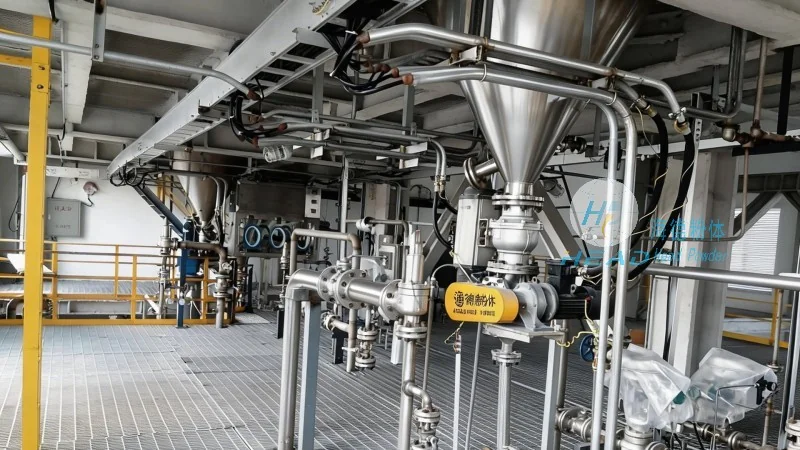
Understanding the Core Components of Pneumatic Conveying Systems
The foundation of any effective riced flour pneumatic conveying system lies in its core components. These typically include a hopper for material storage, a feeder to control the flow of riced flour, a conveying line (often equipped with airlocks or rotary valves), and a receiver for the final product. Each component must be carefully selected and sized to match the specific characteristics of riced flour, such as its particle size, moisture content, and flowability. For instance, the feeder must be capable of handling the unique handling properties of riced flour to prevent bridging or segregation during transport.
Material Selection and System Durability
Given that riced flour is a food product, the materials used in the construction of the pneumatic conveying system must meet stringent hygiene and safety standards. Components such as hoppers, conveyors, and receivers are often made from stainless steel or food-grade plastics to ensure they are non-corrosive, easy to clean, and resistant to bacterial growth. Additionally, the system must be designed to withstand the abrasive nature of riced flour particles, which can cause wear over time. Proper material selection not only enhances the longevity of the system but also ensures compliance with regulatory requirements for food processing equipment.
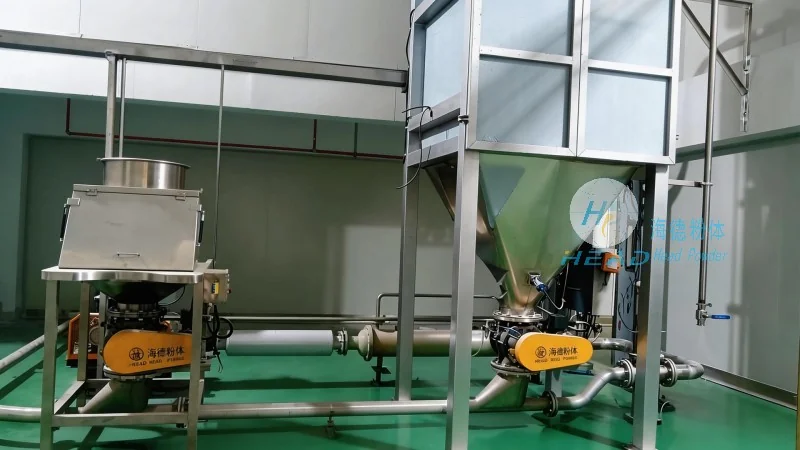
Control Systems and Automation for Optimal Operation
Modern riced flour pneumatic conveying systems benefit from advanced control systems that enhance operational efficiency and reduce human error. These systems often include sensors to monitor pressure, flow rates, and material levels, providing real-time data to operators. Automation features, such as programmable logic controllers (PLCs), allow for precise control over the feeding and conveying processes, ensuring consistent performance and minimizing downtime. For example, an automated system can adjust the air pressure or feed rate based on real-time feedback, optimizing the transport of riced flour while preventing overloading or under-conveying.
Preventing Product Degradation and Contamination
A critical design consideration for riced flour systems is the prevention of product degradation and contamination. Pneumatic conveying systems must be designed to minimize exposure to air, which can cause oxidation and rancidity in riced flour. This is typically achieved through closed-loop systems that keep the material in a sealed environment. Additionally, the system should incorporate features like air filtration and moisture control to maintain the quality of the riced flour. For instance, incorporating a dehumidifier or desiccant in the system can help control moisture levels, which is essential for preserving the flavor and shelf life of the product.
Integration with Existing Facilities and Scalability
When designing a riced flour pneumatic conveying system, it is important to consider its integration with existing production facilities. The system should be compatible with current equipment, such as storage silos, processing lines, and packaging machinery. This requires careful planning to ensure proper alignment and connectivity. Furthermore, the system should be scalable to accommodate future growth or changes in production volume. A well-designed system allows for easy expansion, such as adding additional conveying lines or increasing the capacity of the hopper, without major modifications to the existing infrastructure.
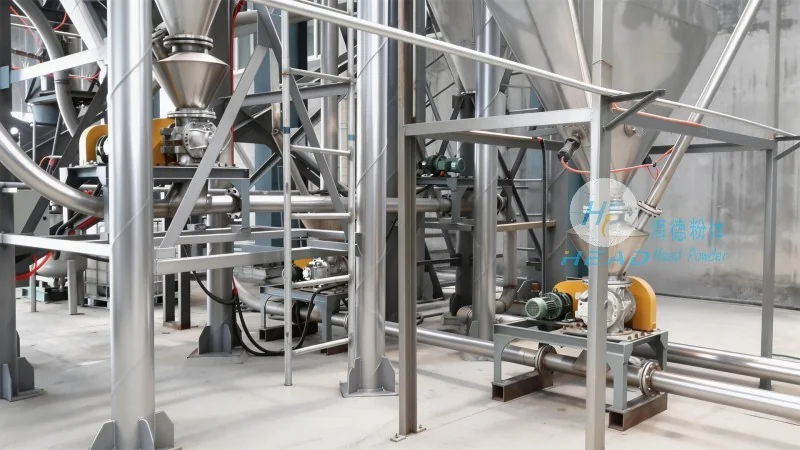
Maintenance and Operational Costs
Long-term performance and cost-effectiveness are key factors in the design of riced flour pneumatic conveying systems. Regular maintenance is essential to ensure the system operates efficiently and reliably. This includes routine checks of components like air filters, seals, and bearings, as well as periodic cleaning of the conveying lines to prevent buildup of riced flour. The system should be designed with easy access to maintenance points to minimize downtime during servicing. Additionally, energy efficiency should be considered, as pneumatic conveying systems can be energy-intensive. Optimizing the system design, such as using the right air pressure and flow rates, can reduce energy consumption and lower operational costs over time.
Conclusion: Choosing the Right System for Your Needs
Designing a riced flour pneumatic conveying system requires a comprehensive approach that considers the unique properties of the product, the operational requirements of the facility, and the long-term goals of the business. By focusing on key design considerations such as component selection, material durability, control systems, and maintenance, businesses can select a system that maximizes efficiency, ensures product quality, and minimizes costs. For companies in the food processing industry, partnering with a reputable supplier like Shandong HeadPowder Engineering Co., Ltd. can provide the expertise and support needed to design and implement a reliable riced flour pneumatic conveying system tailored to their specific needs.