

Design and Calculation for Pneumatic Conveying of Carbon Black and Coal Powder, and Equipment Selection
HeadPowder, a leading engineering firm based in Shandong, China, specializes in the design, calculation, and equipment selection for pneumatic conveying systems tailored to carbon black and coal powder applications. This article provides a comprehensive overview of the technical approach and considerations for efficient and reliable material handling in these industries.
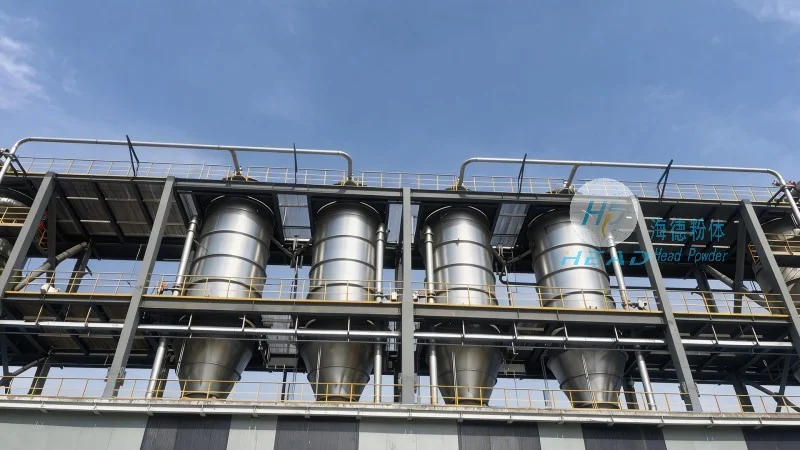
Company Overview: HeadPowder Engineering
HeadPowder Engineering Co., Ltd. is a professional engineering company headquartered in Shandong, China. With years of experience in the field of material handling and process engineering, the company has established itself as a trusted partner for clients seeking advanced solutions for pneumatic conveying of carbon black and coal powder. The firm combines expertise in fluid dynamics, mechanical engineering, and process optimization to deliver customized systems that meet the specific demands of industrial operations.
Pneumatic Conveying Fundamentals for Carbon Black and Coal Powder
Pneumatic conveying is a critical technology for transporting fine powders like carbon black and coal powder, which are often sensitive to handling conditions. The process involves using air or other gases to move the material through a pipeline system. For carbon black and coal powder, the design of the conveying system must account for factors such as particle size, density, moisture content, and flow characteristics to ensure efficient and safe operation. Proper calculation of air velocity, pressure drop, and system capacity is essential to prevent issues like blockages, degradation, or loss of material.
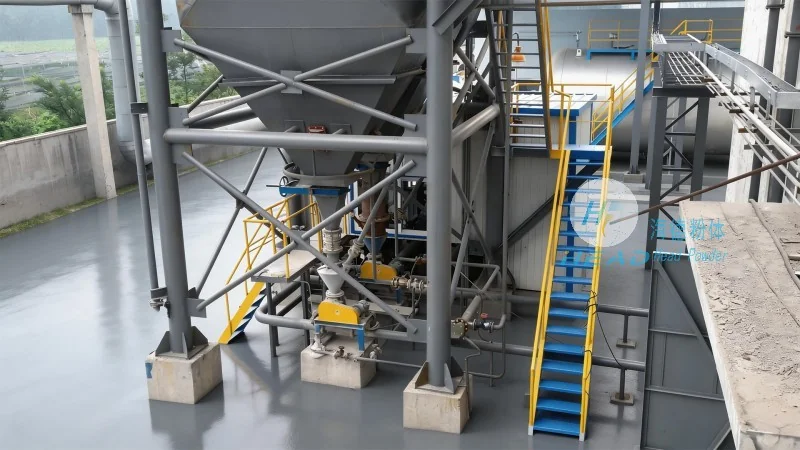
Design and Calculation Process for Pneumatic Conveying Systems
The design of a pneumatic conveying system for carbon black and coal powder begins with a thorough analysis of the material properties and operational requirements. Engineers at HeadPowder use advanced computational methods and empirical data to determine the optimal air velocity, pressure, and pipeline dimensions. Key calculations include determining the required air flow rate, pressure drop across the system, and the power consumption for the blower or compressor. The system design also considers the type of conveying (e.g., dilute-phase or dense-phase) and the layout of the pipeline, including bends, valves, and collection hoppers. By accurately calculating these parameters, the system can be optimized to minimize energy consumption while maintaining high material throughput and reliability.
Equipment Selection for Pneumatic Conveying of Carbon Black and Coal Powder
Choosing the right equipment is crucial for the successful operation of a pneumatic conveying system. HeadPowder offers a range of equipment tailored to carbon black and coal powder applications, including high-efficiency blowers, rotary valves, and material feeders. The selection process involves evaluating factors such as the material's flowability, abrasiveness, and potential for dust generation. For carbon black, which is highly abrasive, equipment with durable materials of construction (e.g., stainless steel or special alloys) is recommended to prevent wear and maintain performance. Rotary valves are commonly used as feeders to control the flow of material into the conveying line, while blowers provide the necessary pressure to move the material through the system. The company also provides custom solutions, such as special hoppers and filters, to address unique challenges in carbon black and coal powder handling.
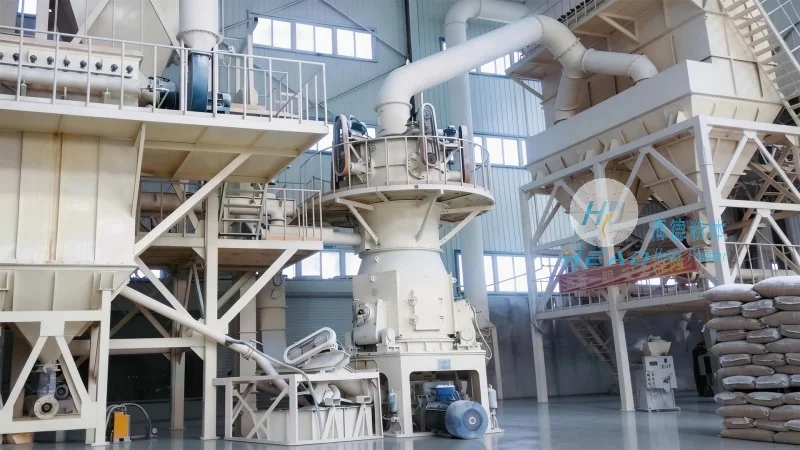
Technical Advantages of HeadPowder's Pneumatic Conveying Solutions
HeadPowder's pneumatic conveying systems for carbon black and coal powder offer several technical advantages that enhance operational efficiency and reliability. The systems are designed to minimize material degradation, which is critical for maintaining the quality of carbon black products. The use of dilute-phase conveying, where the material is suspended in air, reduces the risk of agglomeration and blockages. Additionally, the company's equipment selection focuses on energy efficiency, with blowers and compressors optimized to operate at lower power consumption without compromising performance. The modular design of the systems allows for easy integration into existing production lines and facilitates maintenance and troubleshooting. By leveraging advanced engineering and material handling expertise, HeadPowder ensures that its solutions meet the stringent requirements of the carbon black and coal powder industries.
Conclusion: Reliable Solutions for Carbon Black and Coal Powder Handling
HeadPowder Engineering Co., Ltd. provides comprehensive design, calculation, and equipment selection services for pneumatic conveying systems tailored to carbon black and coal powder applications. With a focus on technical excellence and customer satisfaction, the company delivers solutions that enhance operational efficiency, reduce downtime, and ensure the quality of the final product. Based in Shandong, China, HeadPowder leverages its expertise to address the unique challenges of handling fine powders, offering customized systems that meet the specific needs of industrial clients. For businesses seeking reliable and efficient material handling solutions, HeadPowder is a trusted partner in the field of pneumatic conveying technology.