

Design of an Alumina Crystal Pneumatic Conveying System
Alumina crystal handling requires efficient and reliable systems to ensure product integrity and operational efficiency. The design of a pneumatic conveying system for alumina crystals is a critical aspect of industrial material processing, particularly in applications where dust control, material flow consistency, and system scalability are paramount. This article outlines the key considerations and design principles for a robust alumina crystal pneumatic conveying system, presented by Shandong HeadPowder Engineering Co., Ltd., a leading provider in the field.
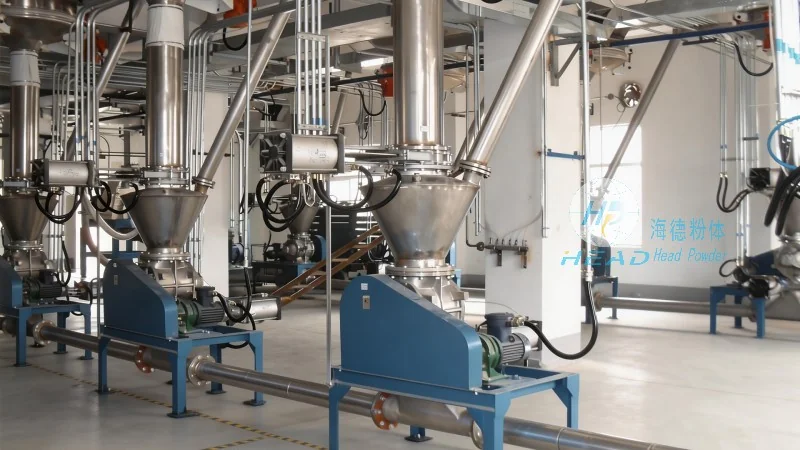
About HeadPowder Engineering
HeadPowder, the brand of Shandong HeadPowder Engineering Co., Ltd., specializes in engineering solutions for powder and bulk material handling. With a focus on innovation and customer-centric design, HeadPowder delivers customized pneumatic conveying systems tailored to the unique needs of alumina crystal processing facilities. The company’s expertise spans system design, equipment selection, and integration, ensuring optimal performance and longevity for industrial applications.
Key Design Considerations for Alumina Crystal Pneumatic Conveying
The successful design of an alumina crystal pneumatic conveying system hinges on several critical factors. First, material properties such as particle size, density, and moisture content must be thoroughly analyzed to determine the appropriate conveying velocity and system configuration. Alumina crystals, being relatively dense and abrasive, demand systems with high-pressure capabilities and durable components to withstand wear and maintain efficiency over time. Second, dust control is a primary concern in alumina processing, as fine particles can cause health hazards and equipment damage. Effective filtration and sealing mechanisms are integral to the system design, ensuring compliance with environmental regulations and operational safety standards. Third, system scalability and flexibility are essential for adapting to varying production volumes and future expansion needs. A modular design approach allows for easy upgrades and modifications without disrupting ongoing operations.
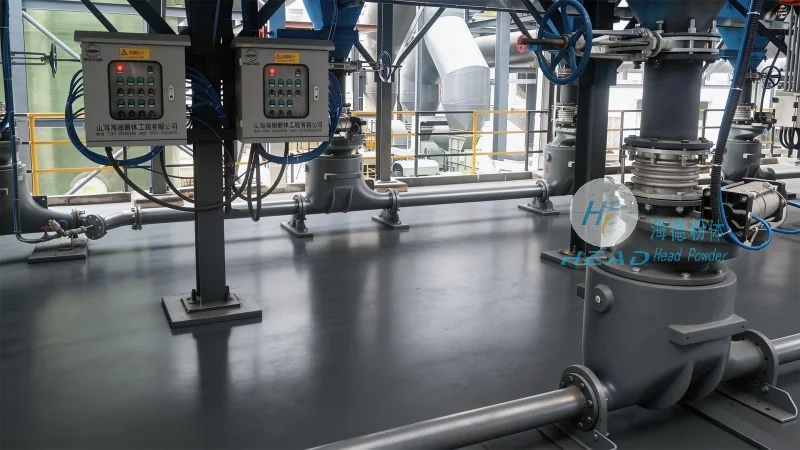
Core Components of the Pneumatic Conveying System
The alumina crystal pneumatic conveying system typically consists of several key components, each playing a vital role in the overall operation. The system begins with a hopper or storage silo, where alumina crystals are stored before being fed into the conveying line. A rotary valve or feeder is used to control the flow rate, ensuring a consistent and controlled material input. The conveying line itself is constructed from high-quality materials, such as stainless steel or corrosion-resistant alloys, to prevent material degradation and equipment wear. A positive displacement blower or rotary lobe pump provides the necessary air pressure to transport the crystals through the system. The system may include multiple conveying sections, with intermediate cyclones or filters to separate any entrained dust from the product stream. Finally, a receiver or discharge hopper collects the alumina crystals at the destination point, completing the conveying process.
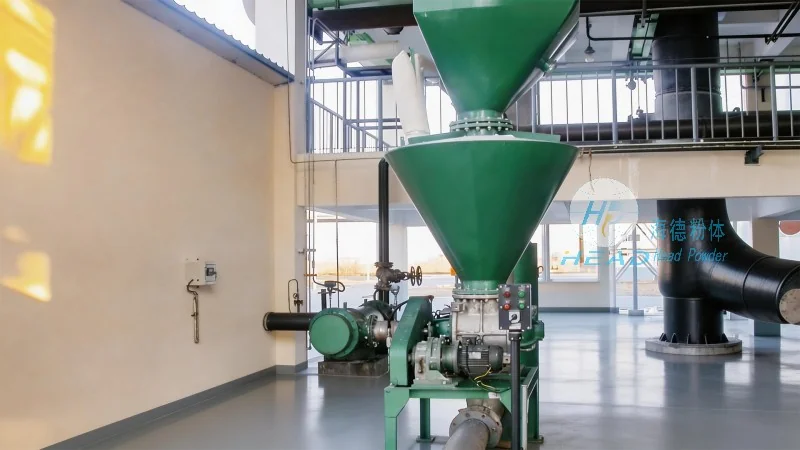
Advantages and Performance Metrics
Implementing a well-designed pneumatic conveying system for alumina crystals offers numerous advantages. The system minimizes material handling time and labor costs by automating the transport process, reducing the risk of human error and product contamination. Compared to traditional mechanical conveying methods, pneumatic systems provide superior dust control, enhancing workplace safety and environmental compliance. The flexibility of pneumatic conveying allows for easy integration with existing processing lines, enabling seamless material transfer between different stages of production. Performance metrics such as conveying velocity, pressure drop, and system efficiency are carefully optimized during the design phase to ensure maximum throughput and minimal energy consumption. HeadPowder Engineering’s expertise in system optimization ensures that the final design meets or exceeds industry standards, delivering reliable and cost-effective solutions for alumina crystal processing.
Customization and After-Sales Support
Shandong HeadPowder Engineering Co., Ltd. offers tailored pneumatic conveying solutions that address the specific requirements of each client. The company’s engineering team works closely with customers to conduct thorough site assessments and material analysis, ensuring that the system design is optimized for their unique operational conditions. Post-installation, HeadPowder provides comprehensive after-sales support, including system maintenance, troubleshooting, and performance monitoring. This commitment to customer satisfaction and system longevity sets HeadPowder apart as a trusted partner in the alumina crystal processing industry. With operations based in Shandong, China, HeadPowder leverages its local expertise and resources to deliver efficient, reliable, and cost-effective solutions for industrial material handling needs.