

Chloroprene Rubber Pneumatic Conveying System Design
Chloroprene rubber, also known as neoprene, is a synthetic rubber widely used in industrial applications due to its excellent resistance to oil, chemicals, and weathering. The design of a pneumatic conveying system for chloroprene rubber is a critical aspect of material handling in manufacturing processes. Such systems efficiently transport the rubber from storage to processing units, ensuring minimal product degradation and operational efficiency.
Key Design Considerations for Chloroprene Rubber Pneumatic Conveying
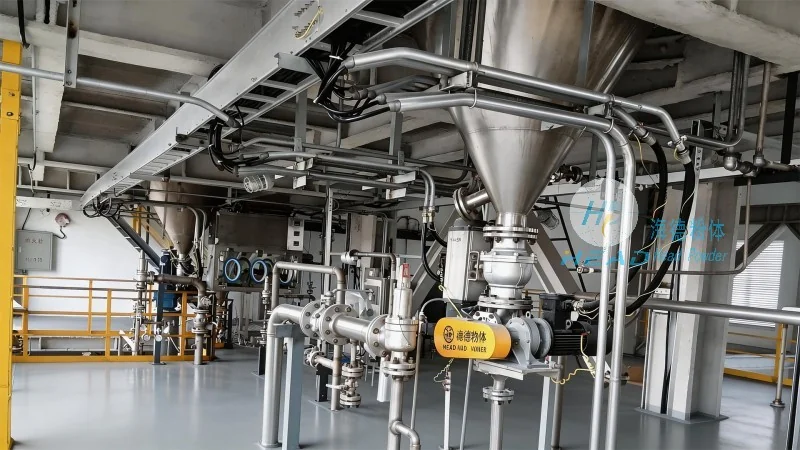
When designing a pneumatic conveying system for chloroprene rubber, several factors must be carefully considered. The material's density and flow characteristics are paramount, as they influence the selection of air velocity, pipeline diameter, and pressure requirements. Additionally, the system must be constructed from materials compatible with chloroprene rubber to prevent contamination and ensure durability. HeadPowder Engineering, a leading provider in this field, emphasizes the importance of these considerations to deliver reliable and efficient solutions.
Components of a Typical Chloroprene Rubber Pneumatic Conveying System
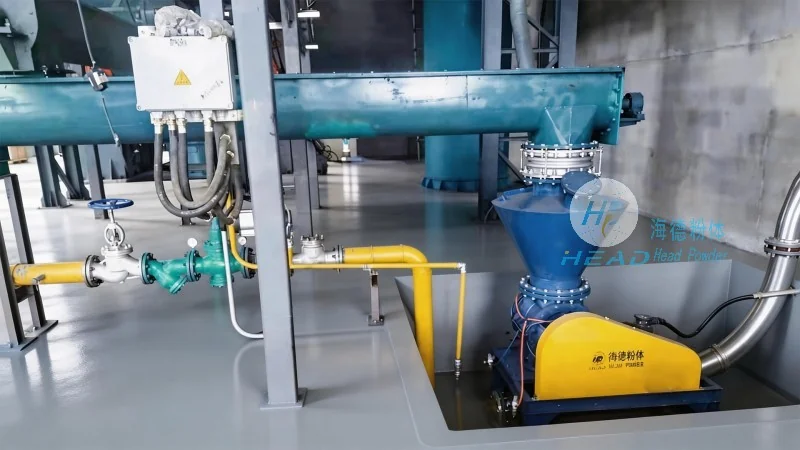
A standard chloroprene rubber pneumatic conveying system typically includes several key components. The system begins with a hopper or storage bin where the rubber is stored. From there, a feeder, often a rotary valve or screw feeder, controls the material flow into the pipeline. The pipeline itself is designed with appropriate bends and straight sections to maintain consistent air flow and prevent blockages. A blower or compressor provides the necessary air pressure to move the material through the system. At the discharge end, a receiver or silo collects the conveyed rubber, and a filter or separator removes any entrained air or dust. HeadPowder Engineering ensures that each component is optimized for the specific properties of chloroprene rubber, enhancing system performance and longevity.
Advantages of Using a Pneumatic Conveying System for Chloroprene Rubber
Implementing a pneumatic conveying system for chloroprene rubber offers numerous advantages over traditional methods like belt conveyors or manual handling. The primary benefit is the reduction in product contamination, as the material is transported in an enclosed system, minimizing exposure to external elements. Additionally, pneumatic systems provide better control over material flow, allowing for precise dosing and processing. They also contribute to a cleaner and safer working environment by eliminating dust and debris. Furthermore, these systems can handle high volumes of material with minimal labor, improving overall operational efficiency. HeadPowder Engineering's expertise in designing such systems ensures that clients can leverage these benefits while maintaining cost-effectiveness and reliability.
Customization and Integration by HeadPowder Engineering
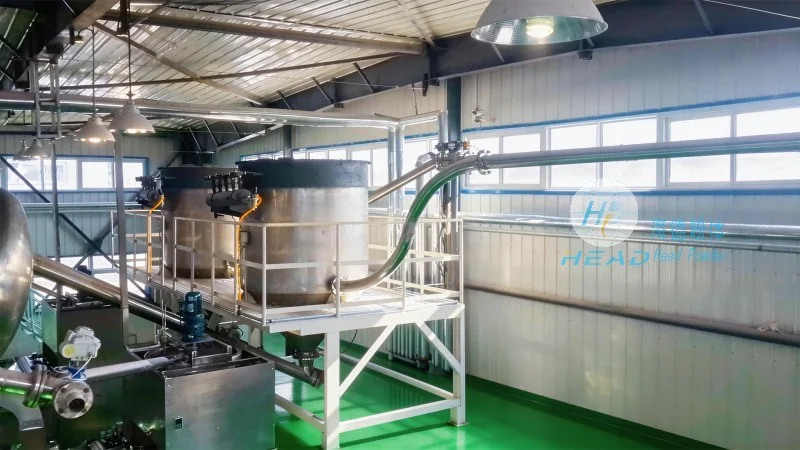
HeadPowder Engineering, with its headquarters in Shandong, China, specializes in tailoring pneumatic conveying systems to meet the unique needs of each client. The company's team of engineers works closely with customers to understand their specific requirements, such as material characteristics, production capacity, and space constraints. This collaborative approach ensures that the final system is optimized for performance and ease of maintenance. HeadPowder Engineering also provides comprehensive support, including installation, commissioning, and ongoing maintenance services, to ensure the system operates at peak efficiency throughout its lifecycle. By leveraging advanced design software and years of industry experience, the company delivers customized solutions that enhance productivity and reduce operational costs for chloroprene rubber processing facilities.