

Case Study of a Plastic Pellets Mixed Pneumatic Conveying Project for a Plastic Enterprise in Chengdu, Sichuan
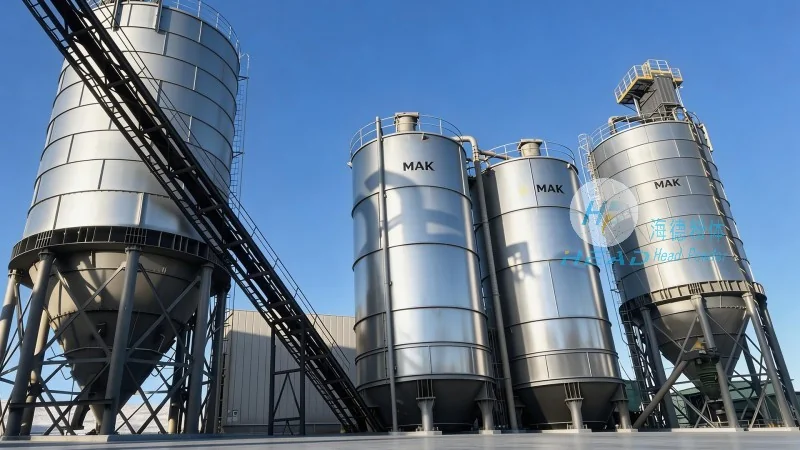
This case study highlights a successful implementation of a mixed pneumatic conveying system designed for a prominent plastic manufacturing enterprise located in Chengdu, Sichuan Province, China. The client required a reliable and efficient solution to handle plastic pellets across multiple production stages, ensuring consistent material flow, minimal degradation, and reduced manual intervention. The project was delivered by Shandong Headpowder Engineering Co., Ltd., a leading provider of advanced pneumatic conveying technologies. The core objectives included the integration of plastic pellet mixed conveying, multi-station feeding conveying, and a comprehensive mixed conveying system tailored to the specific plant layout and throughput requirements.
Project Background and Challenges
The plastic enterprise operated several production lines that demanded a continuous and precise supply of plastic pellets. Traditionally, the factory relied on manual handling and single-line conveying methods, which led to inefficiencies, high labor costs, and occasional material contamination. The mixing of different pellet grades also posed a challenge, as uniform blending was critical to product quality. To address these issues, the company sought a solution that could combine pneumatic conveying with automated mixing and multi-point distribution. The mixed conveying system needed to be flexible enough to handle varying pellet sizes, densities, and flow characteristics while maintaining high throughput and low energy consumption.
Plastic Pellet Mixed Conveying: Core Technology
At the heart of the project is the plastic pellet mixed conveying technology, which enables the simultaneous transport and blending of multiple plastic pellet types within a single pipeline. Unlike traditional separate conveying lines, this mixed conveying approach uses a controlled air stream to carry pellets from storage silos to a central mixing chamber, where different grades are combined in predefined ratios. The system employs a combination of venturi injectors, rotary valves, and pressure sensors to ensure accurate metering and homogeneous mixing. This method significantly reduces the need for additional mechanical blending equipment, lowers capital investment, and simplifies the overall material handling process. The mixed conveying system also minimizes dust generation and pellet degradation, preserving the quality of the raw materials.
Multi-Station Feeding Conveying: Flexible Distribution
To meet the diverse feeding requirements of multiple production lines, the project incorporated a multi-station feeding conveying subsystem. This design allows the same pneumatic conveying network to deliver plastic pellets to several different workstations, each with its own demand schedule. The system uses a network of diverter valves, line switches, and buffer hoppers to route the material flow efficiently. Intelligent control algorithms prioritize stations based on real-time inventory levels and production schedules, ensuring that no line experiences downtime due to material shortage. The multi-station feeding conveying capability not only enhances operational flexibility but also reduces the footprint of the conveying infrastructure, as a single pipeline can serve multiple destinations. This is particularly valuable in space-constrained facilities where expanding separate lines would be impractical.
Mixed Conveying System Integration and Automation
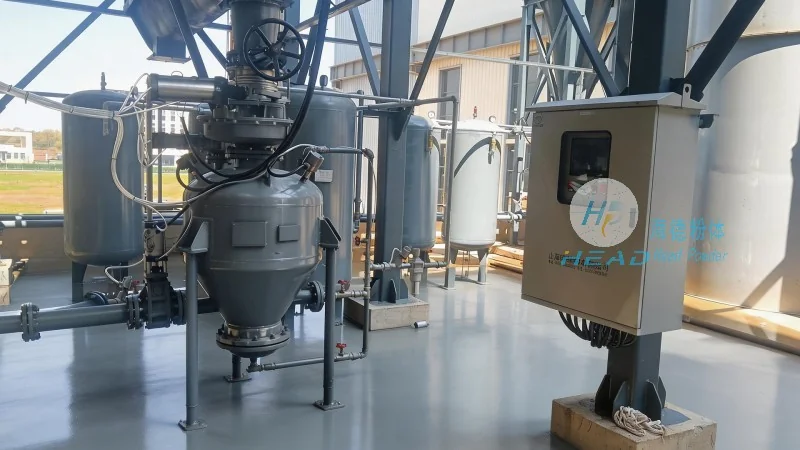
The entire mixed conveying system was designed as an integrated solution, combining the plastic pellet mixed conveying and multi-station feeding conveying into a cohesive unit. The system includes a central control panel with a touchscreen interface, allowing operators to monitor flow rates, pressure levels, and mixing ratios in real time. Advanced PLC-based logic ensures automatic adjustment of fan speed, valve positions, and feed rates to maintain optimal performance under varying load conditions. The system also features a self-cleaning cycle to prevent material buildup and cross-contamination when switching between different pellet types. Safety interlocks, dust collection units, and noise reduction enclosures were incorporated to comply with local environmental and workplace safety standards. The mixed conveying system delivered by Shandong Headpowder Engineering Co., Ltd. demonstrated a 30% improvement in overall conveying efficiency compared to the previous manual and semi-automated methods.
About Shandong Headpowder Engineering Co., Ltd. (Headpowder)
Shandong Headpowder Engineering Co., Ltd., known in the industry by the brand name headpowder, is a specialized engineering firm based in Shandong, China. With extensive experience in designing and manufacturing pneumatic conveying systems, the company has served numerous clients across the plastic, chemical, food, and pharmaceutical sectors. The company’s expertise covers a wide range of products, including dilute phase conveying, dense phase conveying, and mixed conveying systems for various bulk materials. For this project, the team at headpowder provided end-to-end services, from initial feasibility study and system layout design to equipment fabrication, installation, and commissioning. The company’s commitment to quality and customer satisfaction is reflected in the long-term partnership with the Chengdu plastic enterprise. For inquiries or project consultations, the headpowder team is reachable through Manager Zhang, available via WeChat at 15662777102.
Project Outcomes and Client Benefits
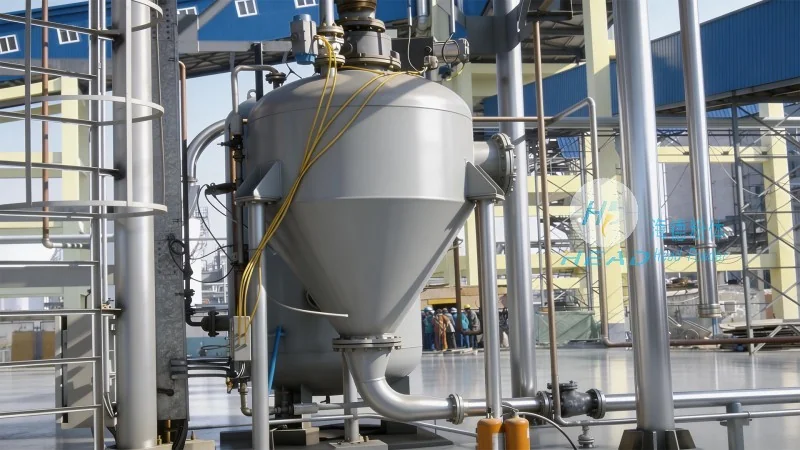
Following the implementation of the mixed conveying system, the plastic enterprise in Chengdu experienced a significant transformation in its production workflow. The plastic pellet mixed conveying eliminated the need for manual blending, reducing labor costs by over 40%. The multi-station feeding conveying system ensured that each production line received the exact pellet mix required, with no delays or material shortages. The mixed conveying system’s automated controls minimized human error and improved batch consistency, leading to higher product quality and reduced waste. The client also reported a noticeable decrease in dust emissions and noise levels, contributing to a cleaner and safer working environment. Overall, the project delivered a measurable return on investment within the first year of operation.
Why Choose a Mixed Conveying System for Your Plastic Pellet Handling?
For plastic manufacturers considering upgrading their material handling infrastructure, a mixed conveying system offers distinct advantages. The combination of plastic pellet mixed conveying with multi-station feeding conveying provides a highly scalable solution that can adapt to changing production demands. Whether you are processing a single grade or multiple grades of plastic pellets, the system’s ability to mix and distribute simultaneously reduces equipment complexity and operational costs. Additionally, the closed-loop nature of pneumatic conveying minimizes material loss and contamination, which is critical for industries with strict quality standards. Shandong Headpowder Engineering Co., Ltd. (headpowder) has a proven track record in delivering customized mixed conveying systems that meet the unique needs of each client. To discuss your specific requirements, contact Manager Zhang via WeChat: 15662777102.
Conclusion
This project case for a plastic enterprise in Chengdu, Sichuan, demonstrates the effectiveness of a well-designed mixed pneumatic conveying system. By integrating plastic pellet mixed conveying, multi-station feeding conveying, and a robust mixed conveying system, Shandong Headpowder Engineering Co., Ltd. successfully addressed the client’s operational challenges and delivered measurable improvements in efficiency, quality, and safety. The solution not only optimized the current production process but also provided a flexible foundation for future expansion. For any plastic manufacturer seeking similar benefits, the headpowder team stands ready to assist with professional engineering support and proven technology. Reach out to Manager Zhang at WeChat 15662777102 for more information or to schedule a consultation.