

Shandong Rizhao Port Bulk Ore Hybrid Pneumatic Conveying Project Case
This article provides a comprehensive case study of the bulk ore mixed pneumatic conveying project at the Port of Rizhao, Shandong, China. The project exemplifies the application of advanced ore mixed conveying technology, port bulk material conveying systems, and positive-negative pressure combined pneumatic conveying solutions. The engineering and implementation were carried out by Shandong Headpowder Engineering Co., Ltd., a leading provider of pneumatic conveying systems headquartered in Shandong, China.
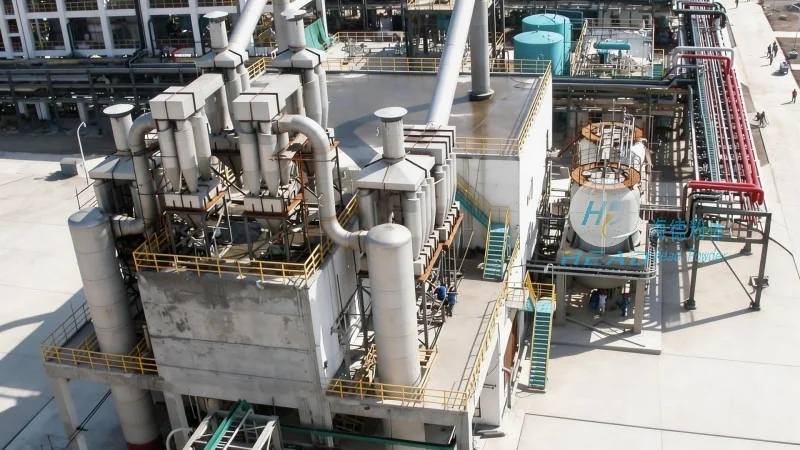
Project Overview and Background
Located in the coastal city of Rizhao, Shandong Province, the port handles a significant volume of bulk ore, including iron ore, copper ore, and other mineral concentrates. Traditional mechanical conveying methods, such as belt conveyors and bucket elevators, often face challenges related to dust emissions, material degradation, and high maintenance costs. To address these issues, the port authority sought a more efficient and environmentally friendly solution. The result was the deployment of a mixed pneumatic conveying system that combines both positive pressure and negative pressure (vacuum) technologies to transport bulk ore from ship unloading points to storage silos and further processing areas. This innovative approach significantly reduces dust pollution, minimizes material loss, and improves overall operational efficiency.
Core Technology: Ore Mixed Conveying System
The ore mixed conveying system is designed to handle a wide range of particle sizes and densities commonly found in bulk ore. Unlike conventional systems that rely solely on mechanical force, this system uses a combination of air pressure differentials to create a fluidized state, allowing the ore to flow through pipelines smoothly. The key advantage of the ore mixed conveying system is its ability to manage both coarse and fine particles simultaneously, ensuring consistent throughput and reducing the risk of blockages. In the Rizhao port project, the system was tailored to handle iron ore with a bulk density ranging from 1.8 to 2.5 tons per cubic meter, demonstrating exceptional adaptability.
Port Bulk Material Conveying Challenges and Solutions
Port bulk material conveying presents unique challenges, including long distances between docks and storage facilities, limited space for equipment installation, and strict environmental regulations. The Rizhao project required a solution capable of transporting ore over a distance of approximately 800 meters while maintaining a capacity of 300 tons per hour. The hybrid pneumatic conveying system employed a combination of dense-phase and dilute-phase transport, optimized for the specific ore characteristics. Negative pressure was used at the suction end to draw material from the ship's hold, while positive pressure pushed the material through the pipeline to the storage silos. This dual-mode approach ensures that the port bulk material conveying process remains efficient even when dealing with sticky or moisture-laden ore.
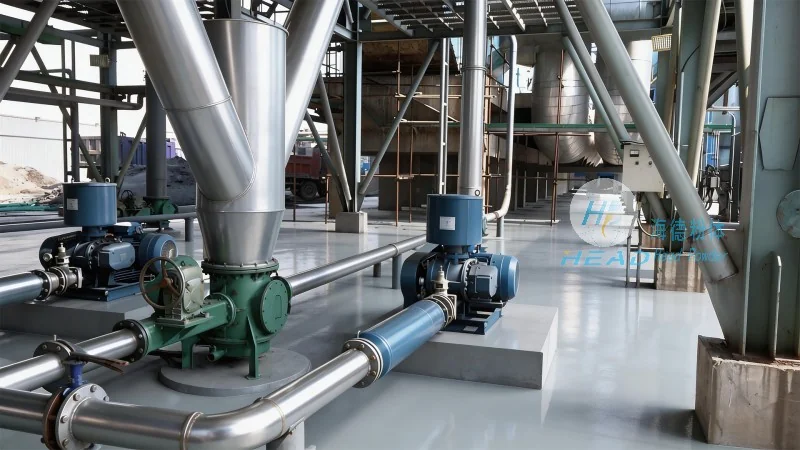
Positive-Negative Pressure Combined Pneumatic Conveying Case Study
The positive-negative pressure combined pneumatic conveying system is a standout feature of this project. In the first stage, a vacuum pump creates negative pressure at the intake point, allowing the system to draw ore directly from the ship's unloading hopper. This eliminates the need for additional mechanical feeders, reducing equipment complexity and maintenance. The ore is then transported through a sealed pipeline to a pressure vessel, where compressed air is injected to generate positive pressure for the long-distance transport to the final destination. This hybrid method is particularly effective for port bulk material conveying, as it combines the high suction capability of vacuum systems with the long-range delivery capability of pressure systems. The Rizhao project achieved a conveying velocity of 8 to 12 meters per second, preventing material segregation and ensuring a uniform mixture of fine and coarse particles.
Project Implementation and Performance Metrics
Shandong Headpowder Engineering Co., Ltd. was responsible for the entire design, fabrication, and installation process. The project timeline spanned 12 months from initial site survey to commissioning. Key performance indicators included a conveying efficiency of over 98%, a reduction in dust emissions by 95% compared to conventional methods, and a noise level below 75 decibels at the operator station. The system also featured automated control with real-time monitoring of pressure, flow rate, and material level, allowing for remote operation and predictive maintenance. The success of this project has made it a benchmark for other port facilities in China and abroad seeking to modernize their ore handling operations.
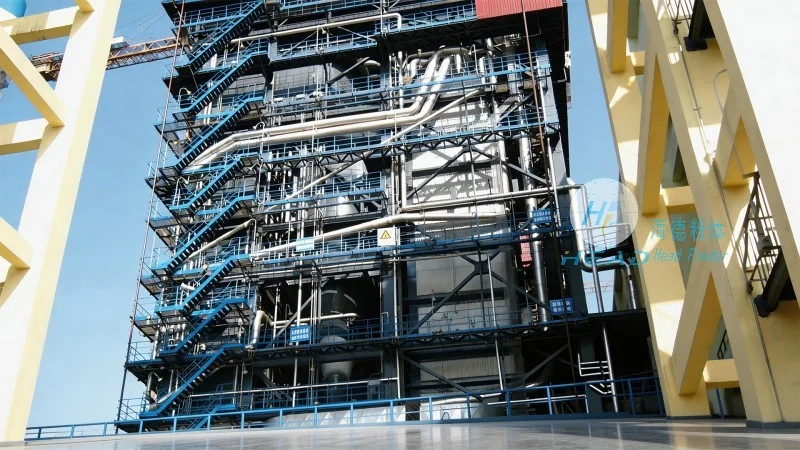
Advantages of the Hybrid Pneumatic Conveying Solution
The mixed pneumatic conveying system offers several distinct advantages over traditional mechanical conveying. First, the sealed pipeline eliminates dust leakage, creating a cleaner working environment and reducing health risks for workers. Second, the system requires less structural support and occupies a smaller footprint, which is critical in congested port areas. Third, the ability to handle both positive and negative pressure regimes allows for greater flexibility in routing pipelines around obstacles. Fourth, the system is highly scalable: the same technology can be applied to different types of bulk materials, such as coal, cement, and grain, making it a versatile solution for port bulk material conveying. The Rizhao case demonstrates that even challenging materials like sticky iron ore can be conveyed efficiently with the right pneumatic design.
Contact Information for Further Inquiry
For ports, mining companies, and material handling facilities interested in implementing similar ore mixed conveying systems, the project team at Shandong Headpowder Engineering Co., Ltd. welcomes inquiries. The technical and sales team, led by Manager Zhang, is available to provide detailed project consultations, feasibility studies, and customized system designs. Manager Zhang can be reached via WeChat at 15662777102 for direct communication. The company is based in Shandong, China, and has extensive experience in both domestic and international pneumatic conveying projects.
Conclusion and Future Outlook
The Rizhao port bulk ore mixed pneumatic conveying project stands as a testament to the effectiveness of combining positive and negative pressure technologies for bulk material handling. As environmental regulations become stricter and operational efficiency becomes more critical, the adoption of hybrid pneumatic conveying systems is expected to grow. Shandong Headpowder Engineering Co., Ltd. continues to innovate in this field, developing new materials and control algorithms to further improve energy efficiency and reliability. The lessons learned from this project will be applied to future installations, ensuring that port operators worldwide can benefit from cleaner, more efficient, and more cost-effective bulk material conveying solutions. For any port or industrial facility seeking to upgrade their ore handling capabilities, this case study provides a clear roadmap for success.