

Case Study of Bulk Wheat Pneumatic Vacuum Conveying Project for a Grain and Oil Enterprise in Tianjin
Bulk Wheat Negative Pressure Pneumatic Conveying Project Case for a Grain and Oil Enterprise in Tianjin
Project Overview and Background
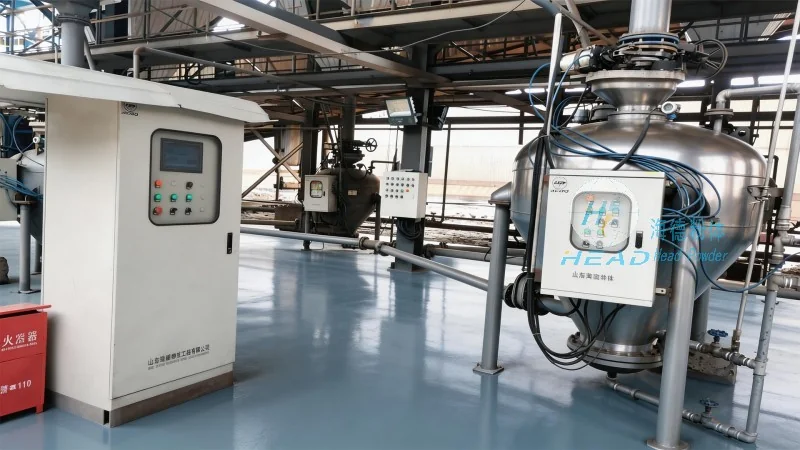
This case study presents a comprehensive analysis of a bulk wheat negative pressure pneumatic conveying system implemented for a well-known grain and oil enterprise located in Tianjin, China. The facility primarily handles large volumes of imported bulk wheat arriving via ship, requiring an efficient, clean, and reliable material handling solution for unloading and transferring the grain from the dock to the storage silos. The project was engineered and executed by Shandong Headpowder Engineering Co., Ltd., a professional company based in Shandong, China, with extensive experience in designing and manufacturing advanced pneumatic conveying systems for the grain and food processing industries. The core objective of this project was to replace traditional mechanical conveying methods with a modern negative pressure pneumatic conveying system that could significantly reduce dust emissions, lower maintenance costs, and improve overall operational efficiency. The Tianjin facility processes thousands of tons of bulk wheat annually, and the previous mechanical bucket elevator and belt conveyor system suffered from high wear rates, frequent clogging, and substantial dust pollution, which posed health risks to workers and environmental compliance challenges. The enterprise recognized the urgent need to upgrade to a more advanced technology, and after evaluating multiple suppliers, they selected headpowder as the partner to deliver a turnkey solution for bulk wheat negative pressure conveying and grain unloading from ships.
Technical Challenges and Design Requirements for Bulk Wheat Conveying
The design and implementation of a bulk wheat negative pressure pneumatic conveying system for a large-scale grain unloading and ship unloading application presented several significant technical challenges. First, the wheat grains are relatively large, irregular in shape, and have a tendency to break or crack under excessive mechanical stress, which directly impacts the quality and market value of the grain. Therefore, the conveying velocity had to be carefully optimized to maintain suspension flow while minimizing impact damage. Second, the system needed to handle fluctuating feed rates from the ship unloading process, as the flow of wheat from the vessel's holds varies depending on the tide, ship movement, and the efficiency of the upstream unloading equipment. Third, the conveying distance from the dock to the storage silos exceeded 200 meters, with multiple vertical lifts and horizontal bends, requiring a robust negative pressure source and precise pipe sizing to maintain consistent material-air mixture ratios. Fourth, the system had to be designed to operate in all weather conditions, including high humidity, rain, and extreme temperatures, without compromising performance or causing blockages. Fifth, strict environmental regulations required that the system achieve near-zero dust emissions at all transfer points and discharge locations. The headpowder engineering team conducted extensive computational fluid dynamics (CFD) simulations and pilot-scale testing to determine the optimal pipe diameter, air velocity, and vacuum pressure settings for the specific characteristics of bulk wheat. The final design incorporated a multi-stage cyclone separator and a high-efficiency pulse-jet filter to ensure that all fine dust particles were captured and recycled back into the main product stream, achieving both environmental compliance and product recovery.
System Components and Working Principle of the Negative Pressure Pneumatic Conveying System
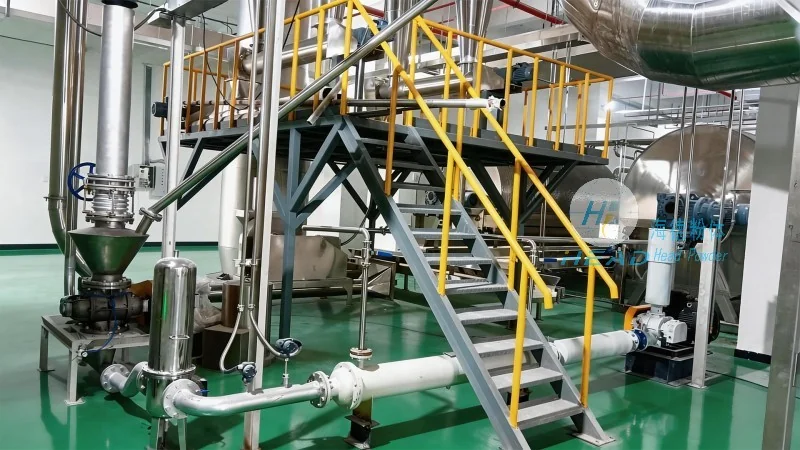
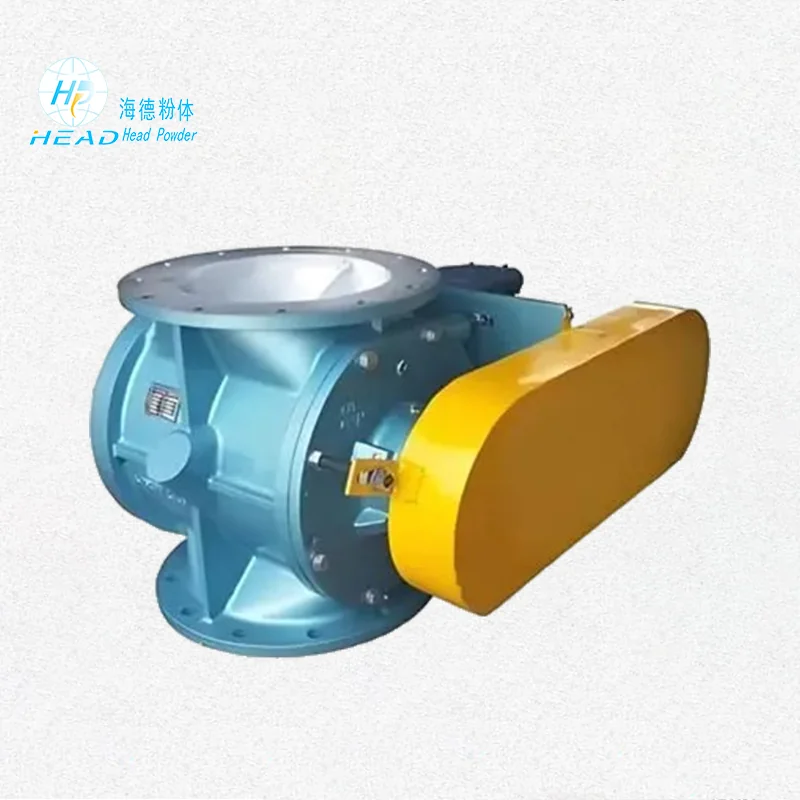
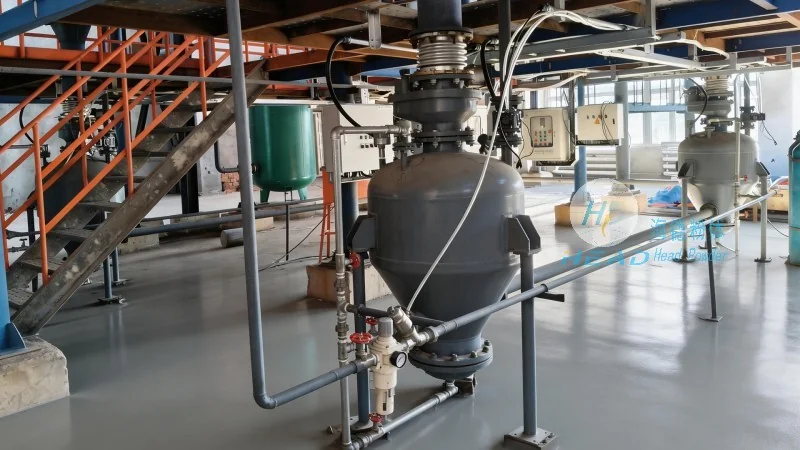
The negative pressure pneumatic conveying system installed at the Tianjin grain and oil enterprise consists of several key components working in harmony to achieve efficient and gentle conveying of bulk wheat. At the heart of the system is the negative pressure source, which is a high-capacity roots blower equipped with a variable frequency drive to adjust the vacuum level according to the real-time demand. The wheat enters the system through a specially designed intake hopper located at the ship unloading dock, which incorporates a rotary airlock valve to maintain the negative pressure seal while allowing a continuous flow of grain into the conveying pipeline. The pipeline itself is constructed from heavy-duty abrasion-resistant steel with smooth interior surfaces to minimize friction and reduce the risk of grain damage. Along the conveying route, strategically placed inspection ports and pressure sensors allow operators to monitor the system status and detect any potential blockages or irregularities. At the discharge end, the wheat-air mixture enters a primary cyclone separator, where the majority of the grain is separated from the air stream by centrifugal force. The separated grain then passes through another rotary airlock into the storage silos, while the air stream, now carrying only fine dust particles, is directed to a secondary baghouse filter for final cleaning before being released to the atmosphere. The entire system is controlled by a programmable logic controller (PLC) with a human-machine interface (HMI) that provides real-time data on conveying rate, vacuum pressure, air velocity, and energy consumption. This level of automation allows the plant operators to fine-tune the system parameters for different wheat varieties and moisture contents, ensuring consistent performance and product quality. The system also includes a series of safety features, such as overpressure relief valves, emergency stop buttons, and automatic shutdown in case of motor overload or filter blockage, guaranteeing safe and reliable operation around the clock.
Key Advantages of the Negative Pressure Pneumatic Conveying Solution for Grain Unloading
The adoption of negative pressure pneumatic conveying technology for bulk wheat unloading and ship unloading operations at the Tianjin facility brought numerous advantages over the previous mechanical conveying system. One of the most notable benefits is the dramatic reduction in dust emissions. The negative pressure system operates under vacuum, which means that any dust generated during the conveying process is contained within the pipeline and captured by the filtration system, rather than being released into the surrounding environment. This not only improves workplace safety and air quality but also helps the enterprise comply with increasingly stringent environmental protection regulations. Another significant advantage is the reduction in product loss and quality degradation. The smooth, enclosed pipeline eliminates the spillage and breakage that were common with bucket elevators and belt conveyors, resulting in higher yield and better-quality wheat for subsequent processing. The system also offers greater layout flexibility, as the pipeline can be routed around existing structures, over roads, and through tight spaces without requiring major civil engineering works. This was particularly important for the Tianjin site, where space was limited and the existing infrastructure could not be easily modified. From a maintenance perspective, the negative pressure pneumatic conveying system has fewer moving parts compared to mechanical conveyors, which translates to lower maintenance costs, less downtime, and longer service life. The roots blower and rotary airlocks are the primary components requiring periodic inspection, and they are designed for easy access and quick replacement. Furthermore, the energy efficiency of the system is optimized through the use of variable frequency drives and intelligent control algorithms, which adjust the blower speed and air flow to match the actual conveying demand, reducing power consumption during low-load periods. The enterprise reported a 30% reduction in energy costs compared to their previous mechanical system, along with a 50% decrease in maintenance expenses, making the investment highly cost-effective over the long term.
Project Implementation, Commissioning, and Operational Results
The implementation of the bulk wheat negative pressure pneumatic conveying project at the Tianjin grain and oil enterprise was carried out in several well-defined phases, starting with a detailed site survey and engineering design. The headpowder team worked closely with the client's engineering staff to map out the optimal pipeline route, identify potential interference points, and plan the installation of all major components. The manufacturing phase took approximately 12 weeks, during which all custom components were fabricated, tested, and pre-assembled at the headpowder factory in Shandong. The on-site installation was completed over a period of 6 weeks, with the team working around the clock to minimize disruption to the plant's ongoing operations. The commissioning phase involved a series of rigorous tests, including dry-run testing of the blower and rotary airlocks, pressure testing of the pipeline, and full-load testing with actual wheat to verify the conveying capacity, product quality, and dust control performance. The system was designed to convey 80 tons of bulk wheat per hour over a distance of 220 meters, and during the final acceptance test, it achieved a sustained throughput of 85 tons per hour, exceeding the design specification by 6%. The dust emission levels were measured at less than 5 mg per cubic meter, well below the local regulatory limit of 20 mg per cubic meter. The enterprise also reported a significant improvement in workplace cleanliness and operator satisfaction, as the enclosed system eliminated the dust clouds and grain spillage that were previously a daily occurrence. Since the system was put into full operation, the plant has experienced zero unscheduled downtime attributed to the conveying system, and the quality of the wheat delivered to the storage silos has been consistently excellent, with no detectable increase in broken grains or foreign material. The project has been recognized as a benchmark for modern grain handling technology in the region, and several other enterprises have visited the site to learn about the benefits of negative pressure pneumatic conveying for bulk grain applications.
Product Application and Industry Relevance of Bulk Wheat Negative Pressure Conveying
The successful implementation of this bulk wheat negative pressure pneumatic conveying system at the Tianjin grain and oil enterprise demonstrates the versatility and effectiveness of this technology for a wide range of agricultural and food processing applications. The system is ideally suited for unloading bulk wheat from ships, barges, and railcars, as well as for transferring grain between storage bins, processing units, and packaging lines. The negative pressure principle ensures that the material is conveyed in a gentle, low-velocity stream, which is particularly important for fragile grains that are susceptible to mechanical damage. In addition to wheat, the same system can be adapted to handle other grains such as corn, barley, oats, and soybeans, as well as powdered and granular materials like flour, starch, and feed ingredients. The technology is also highly relevant for industries that require strict hygiene and contamination control, such as the brewing, distilling, and baking sectors, where the purity and integrity of the raw materials are critical to the final product quality. The negative pressure system prevents cross-contamination between different materials and eliminates the risk of foreign objects entering the product stream, as the entire system is fully enclosed and sealed. Furthermore, the system can be integrated with existing plant automation and monitoring systems, allowing for centralized control and real-time data analytics to optimize production efficiency and traceability. The Tianjin project serves as a compelling case study for other grain handling facilities considering a transition from mechanical to pneumatic conveying, providing tangible evidence of the benefits in terms of dust reduction, product quality improvement, energy savings, and operational reliability. The headpowder company continues to refine and innovate its negative pressure pneumatic conveying technology, incorporating the latest advances in materials science, sensor technology, and control algorithms to deliver even greater performance and value to its clients.
Conclusion and Future Outlook for Pneumatic Conveying in Grain Handling
In conclusion, the bulk wheat negative pressure pneumatic conveying system implemented by Shandong Headpowder Engineering Co., Ltd. for the grain and oil enterprise in Tianjin has proven to be a highly successful project that delivered all the promised benefits and more. The system has transformed the plant's grain unloading and conveying operations, providing a clean, efficient, and reliable solution that meets the highest standards of environmental compliance and product quality. The project highlights the expertise of headpowder in designing and executing complex pneumatic conveying systems for challenging applications, and it reinforces the company's reputation as a leading provider of bulk material handling solutions in China and beyond. For the Tianjin enterprise, the investment in this advanced technology has resulted in lower operating costs, improved worker safety, and enhanced competitiveness in the marketplace. The negative pressure pneumatic conveying system has become an integral part of their production infrastructure, and they are already planning to expand its use to other areas of their facility. From a broader perspective, this case study demonstrates the growing adoption of pneumatic conveying technology in the grain industry, driven by the need for automation, environmental sustainability, and product quality assurance. As more enterprises recognize the limitations of traditional mechanical conveying systems, the demand for negative pressure pneumatic conveying solutions is expected to continue rising. The headpowder team, led by Manager Zhang, remains committed to providing innovative, customized, and cost-effective solutions for all types of bulk material conveying challenges. For any inquiries about bulk wheat negative pressure conveying, grain unloading from ships, or other pneumatic conveying applications, please contact Manager Zhang directly via WeChat at 15662777102. The headpowder company, based in Shandong, China, welcomes the opportunity to discuss your specific requirements and develop a tailored solution that meets your operational goals and budget constraints.
Contact Information for Project Consultation and Technical Support
For any enterprise or organization interested in learning more about the bulk wheat negative pressure pneumatic conveying system described in this case study, or for those seeking a reliable partner for their own grain handling and conveying projects, the professional team at Shandong Headpowder Engineering Co., Ltd. is ready to provide comprehensive support. The company's headquarters is located in Shandong, China, and they have a proven track record of delivering successful projects across various industries, including grain, food, chemical, and construction materials. The key contact person for this project and for all inquiries related to bulk wheat negative pressure conveying, grain unloading from ships, and other negative pressure pneumatic conveying systems is Manager Zhang. Manager Zhang can be reached directly via WeChat at 15662777102 for prompt and detailed responses to your questions, whether you need technical specifications, a project quotation, or guidance on system design and integration. The headpowder team is dedicated to maintaining long-term relationships with their clients, offering not only high-quality equipment but also ongoing technical support, spare parts supply, and system optimization services. By choosing headpowder, you are partnering with a company that understands the complexities of bulk material handling and is committed to delivering solutions that enhance your operational efficiency, reduce your environmental footprint, and improve your bottom line. Contact Manager Zhang today via WeChat at 15662777102 to start a conversation about how negative pressure pneumatic conveying can transform your grain handling operations.