

Case Study of Dense Phase Pneumatic Conveying of Catalyst Particles in a Chemical Enterprise in Yibin, Sichuan
In the highly competitive and demanding field of chemical processing, the efficient and safe handling of bulk solid materials is a critical operational priority. A prominent chemical enterprise located in Yibin, Sichuan Province, recently faced significant challenges in transporting its catalyst particles from storage to production reactors. The existing mechanical conveying system suffered from frequent blockages, high maintenance costs, and unacceptable levels of particle attrition. To address these issues, the company turned to Shandong Headpowder Engineering Co., Ltd. (headpowder), a leading provider of advanced pneumatic conveying solutions. This case study details the successful implementation of a custom-engineered dense phase pneumatic conveying system designed specifically for catalyst particles, demonstrating how dense phase technology can revolutionize material handling in the chemical sector.
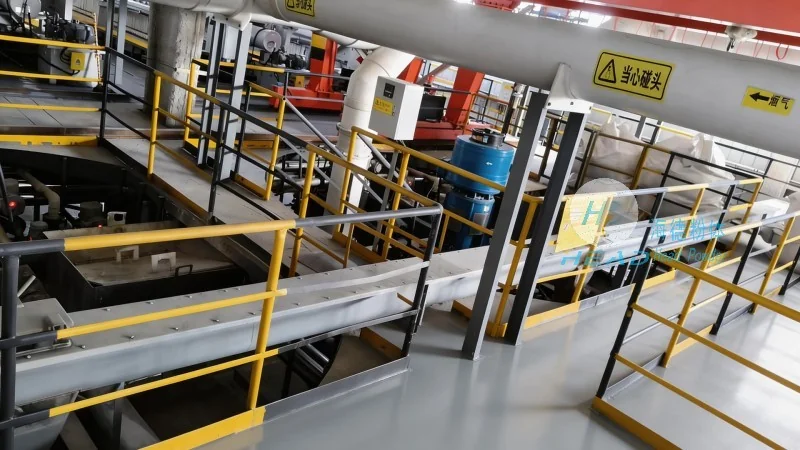
Project Background and Challenges
The catalyst particles used in the Yibin plant are characterized by their irregular shape, moderate friability, and a tendency to degrade under high-speed impact. The original dilute phase conveying system, which relied on high air velocity to suspend and transport the material, caused excessive particle breakage, leading to product quality degradation and increased operational costs. Furthermore, the system’s high energy consumption and frequent pipeline erosion made it both economically and environmentally unsustainable. The plant management urgently needed a solution that could deliver the catalyst particles gently, reliably, and with minimal fines generation. This requirement pointed directly to dense phase pneumatic conveying technology, a method that operates at low velocity and high solid-to-air ratios, ensuring that the material flows as a fluidized plug rather than a suspended cloud.
Customized Dense Phase Pneumatic Conveying System Design
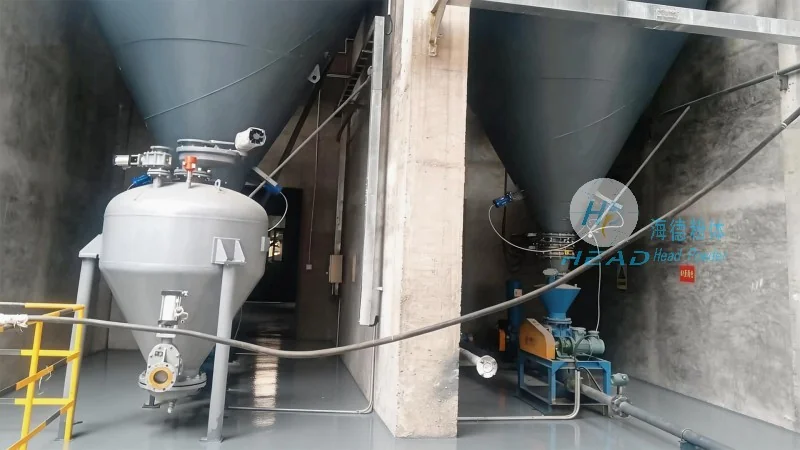
After a thorough on-site audit and material characterization, the engineering team at headpowder proposed a tailored dense phase pneumatic conveying system. The system employs a positive pressure blow tank arrangement, where the catalyst particles are first loaded into a pressure vessel, then pressurized with compressed air to a carefully controlled level. The material is then discharged through a conveying line at a velocity typically below 10 meters per second, significantly lower than the 20–30 meters per second common in dilute phase systems. This low velocity is the key to gentle handling. The entire system is designed to handle the specific particle size distribution and bulk density of the catalyst, ensuring that the dense phase flow remains stable and free of slugging or blockages. The conveying distance in this project was approximately 150 meters, with a vertical lift of 12 meters, all achieved without any mechanical rotating parts in the material flow path.
Key Components and Operational Features
The complete dense phase pneumatic conveying system includes a feed hopper with a rotary valve metering device, a pressure blow tank (typically 1.5 cubic meters in capacity), a series of pinch valves and diverters, and a PLC-based control system. The blow tank is equipped with a fluidizing bottom to assist in uniform discharge. The pipeline is made of wear-resistant alloy steel, and the bends are designed with large radius to reduce particle impact. One of the standout features of headpowder’s design is the integrated pressure and flow control loop, which automatically adjusts the conveying air supply based on real-time feedback from sensors along the line. This ensures that the system operates at the optimal dense phase condition, even when the material properties vary slightly. The entire system can be operated remotely from a central control room, and the PLC records all critical parameters such as air pressure, material flow rate, and conveying time for quality assurance and troubleshooting.
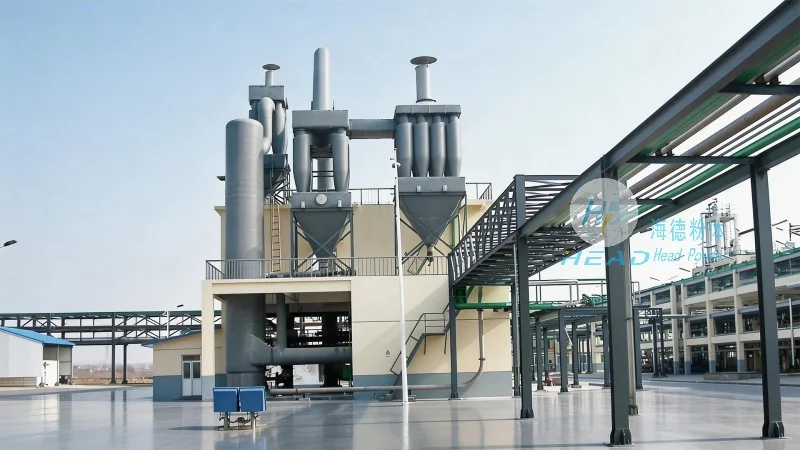
Performance Results and Benefits for the Client
After the installation and commissioning of the dense phase pneumatic conveying system, the Yibin chemical enterprise experienced dramatic improvements. The catalyst particle attrition rate was reduced by over 90%, meaning that the product quality remained virtually unchanged throughout the conveying process. The system’s energy consumption dropped by 35% compared to the previous dilute phase system, directly contributing to the plant’s cost reduction targets. Moreover, the maintenance frequency decreased from monthly to quarterly, as the low-velocity nature of dense phase flow eliminated pipeline erosion. The system also demonstrated excellent reliability, achieving a 99.5% availability rate over the first year of operation. The client reported that the dense phase system not only solved the catalyst degradation problem but also allowed them to increase their overall production throughput by 15% because material handling was no longer a bottleneck.
Industry Applications: Catalyst Dense Phase Conveying and Petrochemical Raw Material Transport
While this case study focuses on catalyst particles, the same dense phase pneumatic conveying technology is widely applicable to other challenging materials in the petrochemical and chemical industries. For example, the system can handle petrochemical raw materials such as plastic pellets, additives, and powdered catalysts with high efficiency. The term “catalyst dense phase conveying” specifically refers to the gentle transport of catalyst materials where maintaining particle integrity is paramount. Meanwhile, “petrochemical raw material conveying” encompasses a broader range of products, including polyethylene granules, polypropylene powders, and various chemical intermediates. headpowder’s dense phase pneumatic conveying systems are designed to accommodate these diverse materials by adjusting the conveying parameters (air velocity, pressure, and solid loading ratio) to match the unique flow characteristics of each substance. Whether the material is abrasive, fragile, or cohesive, the dense phase approach offers a superior solution compared to mechanical or dilute phase alternatives.
The Headpowder Advantage: Engineering Excellence and Global Support
Shandong Headpowder Engineering Co., Ltd., commonly referred to as headpowder, is headquartered in Shandong, China, and has established itself as a trusted partner for bulk material handling projects worldwide. The company’s engineering team possesses deep expertise in dense phase pneumatic conveying theory and practice, with a portfolio that includes hundreds of successful installations across the chemical, petrochemical, food, and mineral processing industries. headpowder provides end-to-end services, from material testing and feasibility studies to system design, fabrication, installation, and commissioning. The company’s commitment to quality is reflected in its use of premium components, strict adherence to international standards (such as ISO 9001), and a dedicated after-sales support team that offers 24/7 technical assistance. For any enterprise considering a transition to dense phase pneumatic conveying, headpowder can provide a turnkey solution that minimizes project risk and maximizes long-term value.
Contact Information for Project Consultation
If your organization is facing similar challenges in catalyst handling, petrochemical raw material conveying, or any other bulk solid transportation, the experienced team at headpowder is ready to assist. For detailed technical discussions, a free material test, or a preliminary system design proposal, please contact the project manager directly. Manager Zhang can be reached via WeChat at 15662777102. Whether you are building a new plant or upgrading an existing facility, headpowder’s dense phase pneumatic conveying systems offer a proven, reliable, and cost-effective solution. Do not hesitate to reach out and explore how headpowder can optimize your material handling operations.
Why Choose Dense Phase Pneumatic Conveying for Your Chemical Plant?
The adoption of dense phase pneumatic conveying is not merely a trend; it is a strategic decision that delivers measurable operational advantages. In the context of chemical production, where material integrity, safety, and efficiency are non-negotiable, this technology stands out. By reducing particle attrition, cutting energy costs, and eliminating mechanical breakdowns, dense phase systems quickly pay for themselves. Moreover, the enclosed nature of pneumatic conveying prevents dust emissions and contamination, aligning with increasingly stringent environmental regulations. For companies that handle high-value catalysts or sensitive petrochemical raw materials, the switch to dense phase conveying is a direct path to improved product quality and reduced total cost of ownership. headpowder’s track record in the Yibin project is just one example of how this technology can transform a plant’s material handling performance. To learn more about how your specific materials can be conveyed using dense phase technology, contact Manager Zhang on WeChat: 15662777102.