

Operation Process and Working Principle of Automatic Powder Material Unpacking and Pneumatic Conveyi
HeadPowder, a leading manufacturer based in Shandong, China, specializes in providing advanced solutions for the efficient handling of bulk powder materials. The company’s flagship product, the automatic powder material unpacking and pneumatic conveying equipment, represents a sophisticated integration of technology designed to streamline the entire material handling process from unloading to final delivery. This equipment is engineered to handle various types of powders, including chemicals, food additives, and industrial raw materials, ensuring high efficiency, minimal dust generation, and compliance with safety standards.
Key Components and Their Functions
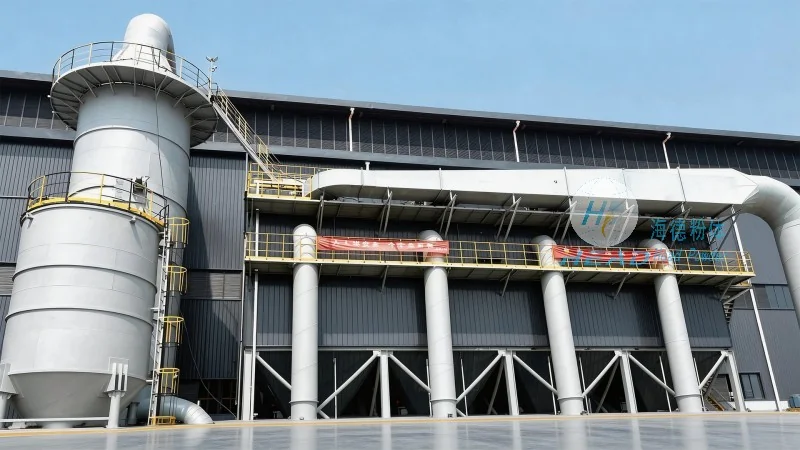
The automatic powder material unpacking and pneumatic conveying system consists of several critical components that work in tandem to achieve seamless operation. The primary components include the unpacking unit, which is responsible for opening and emptying bulk bags (FIBCs) or containers, the pneumatic conveying system that transports the material through a network of pipes, and the control system that manages the entire process. The unpacking unit typically features a mechanical or hydraulic system to safely open the bag, while the conveying system utilizes either positive or negative pressure to move the powder. The control system, often equipped with a user-friendly interface, allows operators to monitor and adjust the conveying rate, pressure, and other parameters to optimize performance.

Operation Process: Step-by-Step Overview
The operation of the automatic powder material unpacking and pneumatic conveying equipment follows a systematic sequence to ensure consistent and reliable material transfer. The process begins with the placement of a bulk bag or container onto the unpacking station. The system then automatically opens the bag, discharges the powder into a hopper or storage tank, and compacts the empty bag for disposal. Simultaneously, the pneumatic conveying system is activated, drawing the powder from the hopper and transporting it to the desired destination, such as a silo, storage vessel, or processing unit. The conveying line is designed with appropriate bends, filters, and valves to maintain material flow and prevent blockages. The control system continuously monitors the pressure and flow rates, adjusting the conveying speed as needed to maintain a stable and efficient transfer. Once the material is fully transferred, the system automatically shuts down, and the empty bag is removed, completing the cycle.
Working Principle: How the Equipment Transfers Material
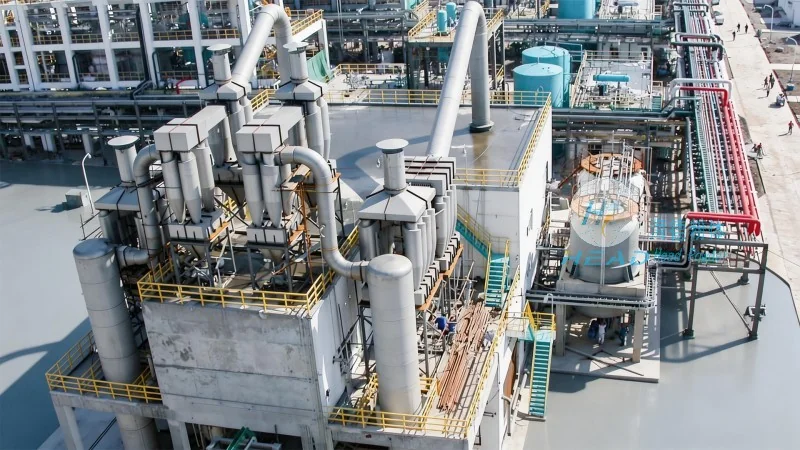
The working principle of the automatic powder material unpacking and pneumatic conveying equipment is based on the principles of fluidization and air movement. The system operates by creating a flow of air through the conveying line, which lifts and transports the powder particles. In positive pressure systems, compressed air is introduced into the hopper, creating an upward flow that carries the powder through the pipes. In negative pressure systems, the conveying line is kept under a slight vacuum, drawing the powder from the source and moving it to the destination. The equipment is equipped with filters and cyclones to separate the powder from the air, ensuring that only the material reaches the final storage or processing point. The control system plays a crucial role in maintaining the pressure differential and flow rate, ensuring that the material is conveyed without clogging or loss. The integration of these components allows for a continuous and automated process, reducing manual labor and increasing overall productivity.
Advantages and Applications
The automatic powder material unpacking and pneumatic conveying equipment offers several advantages that make it ideal for various industrial applications. The primary benefits include high efficiency, as the system can handle large volumes of material with minimal downtime. It also reduces the risk of dust exposure and contamination, as the entire process is enclosed and controlled. The equipment is highly versatile, capable of handling a wide range of powder types and particle sizes, making it suitable for industries such as pharmaceuticals, food processing, chemicals, and minerals. Additionally, the automated nature of the system minimizes human error and ensures consistent quality in material transfer. The equipment is designed to be compact and space-efficient, making it suitable for both new installations and retrofitting into existing facilities.