

Operating Process and Working Principle of Phenolic Resin Material Pneumatic Conveying System
Phenolic resin, a widely used thermosetting polymer in industrial applications, requires efficient material handling solutions for smooth production processes. The pneumatic conveying system developed by Shandong HeadPowder Engineering Co., Ltd. offers a reliable method for transporting phenolic resin materials. This system integrates advanced engineering with practical design to ensure consistent and effective material transfer, addressing the unique challenges of handling phenolic resin in industrial settings.
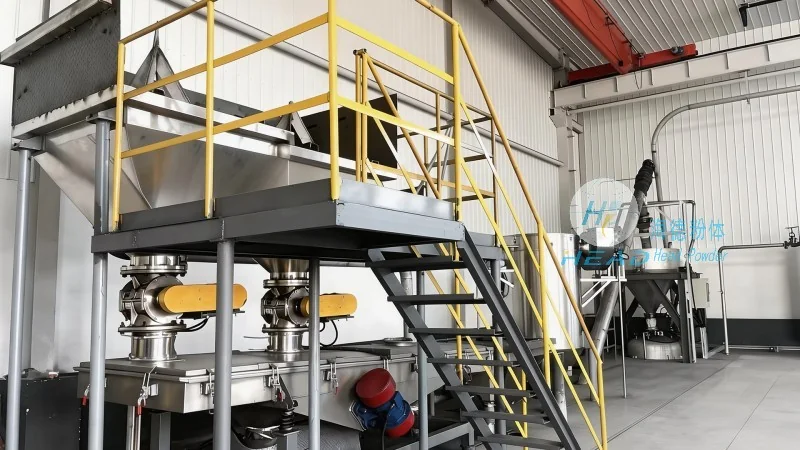
Key Components of the Pneumatic Conveying System
The pneumatic conveying system for phenolic resin comprises several critical components that work in unison to achieve optimal performance. These include the material hopper, which stores the resin; the air compressor that generates the necessary air pressure; the conveying line that transports the material; and the dust collection system that ensures environmental compliance. Each component is meticulously selected and integrated to meet the specific requirements of phenolic resin handling, ensuring durability, efficiency, and safety.
Operating Process of the System
The operation of the phenolic resin pneumatic conveying system begins with the loading of resin into the material hopper. The hopper is equipped with a controlled feeding mechanism that regulates the flow of resin into the system. Once the hopper is filled, the air compressor is activated, generating high-pressure air that is directed into the conveying line. The air flow creates a pressure differential that pulls the resin particles through the line, transporting them to the designated destination. The system maintains consistent air pressure and flow rates to ensure uniform material transport without clogging or loss of material, providing reliable performance throughout the operation.

Working Principle of the Pneumatic Conveying System
The working principle of the pneumatic conveying system relies on fluid dynamics and particle transport mechanics. The system uses compressed air to create a flow that carries the phenolic resin particles through the conveying line. The air velocity is maintained at a level that prevents particle separation and ensures stable transport. The system can operate in either pressure or vacuum mode, depending on the application requirements. In pressure mode, air is forced into the conveying line, pushing the resin forward. In vacuum mode, air is drawn out of the line, creating a negative pressure that pulls the resin. The choice of mode depends on factors such as the distance of transport, the particle size of the resin, and the system layout, allowing for flexible and efficient material handling.
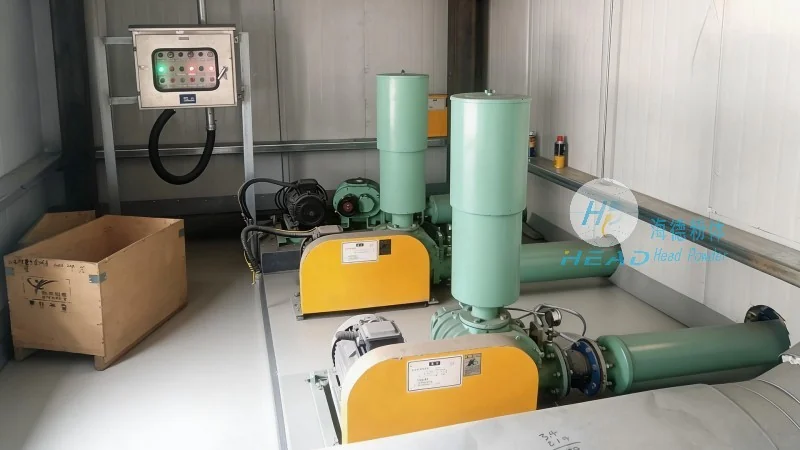
Advantages of Using a Pneumatic Conveying System for Phenolic Resin
Implementing a pneumatic conveying system for phenolic resin offers several advantages over traditional material handling methods. First, it eliminates the need for mechanical components like conveyor belts or buckets, reducing maintenance costs and downtime. Second, the system provides a dust-free environment, which is crucial for phenolic resin handling due to its potential to cause respiratory issues, enhancing workplace safety. Third, the system can handle a wide range of particle sizes and resin types, making it versatile for various industrial applications. Additionally, the system is compact and can be integrated into existing production lines with minimal modifications, ensuring seamless integration into current operations.
Application Examples in Industrial Settings
The pneumatic conveying system for phenolic resin is widely utilized in industries such as manufacturing, construction, and chemical processing. For instance, in a phenolic resin production plant, the system can transport raw resin from storage tanks to mixing equipment, ensuring a continuous supply of material for production. In a furniture manufacturing facility, it can convey resin to molding machines for the production of phenolic panels, improving production efficiency and reducing manual handling. The system's adaptability allows it to be used in various production stages, from raw material transport to finished product handling, demonstrating its broad applicability in industrial processes.