

Operation Process and Working Principle of Straw Ash Powder Pneumatic Conveying Line
Straw ash powder pneumatic conveying lines are advanced industrial equipment designed for efficient and safe transportation of fine powder materials like straw ash. As a leading manufacturer, Shandong HeadPowder Engineering Co., Ltd. specializes in providing high-quality solutions tailored to meet the diverse needs of clients in various industries. This document outlines the operational process and working principles of such systems, highlighting key components, functions, and the overall efficiency of the equipment.
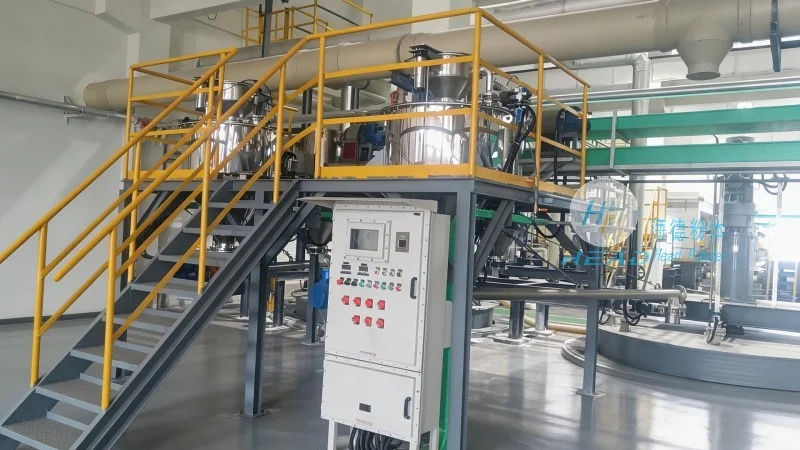
Key Components of the Pneumatic Conveying System
The straw ash powder pneumatic conveying line typically consists of several critical components that work in tandem to ensure smooth material transport. These include the hopper for material storage, a rotary valve or feeder to control the flow rate, a conveying pipeline network, a dust collector or filter system to maintain air quality, and a receiver or discharge unit for the material. Each component plays a vital role in the overall performance and reliability of the system.
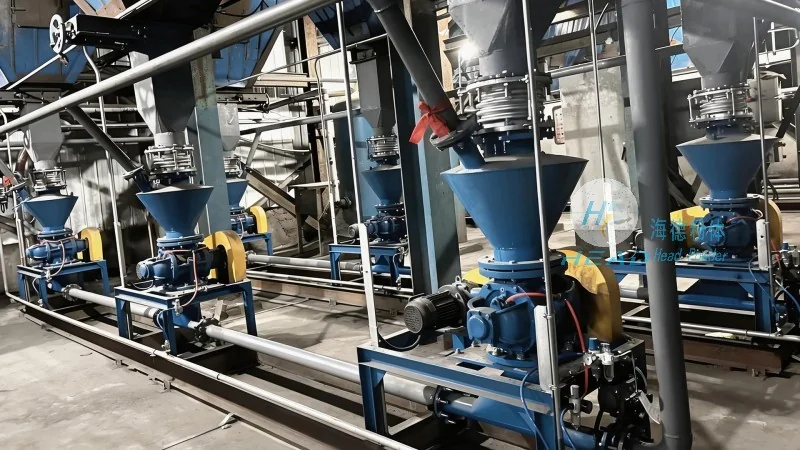
Working Principle of the Pneumatic Conveying Process
The operation of the straw ash powder pneumatic conveying line is based on the principle of air flow and pressure differentials. The system uses a blower or compressor to generate a high-pressure air stream that propels the straw ash powder particles through the pipeline. The material is introduced into the conveying line via the hopper and feeder, where it is mixed with the air stream. As the air flows through the pipeline, it carries the powder particles to the destination point, such as a storage silo or processing unit. The dust collector then separates any fine particles from the air, ensuring compliance with environmental regulations and maintaining air quality within the facility.
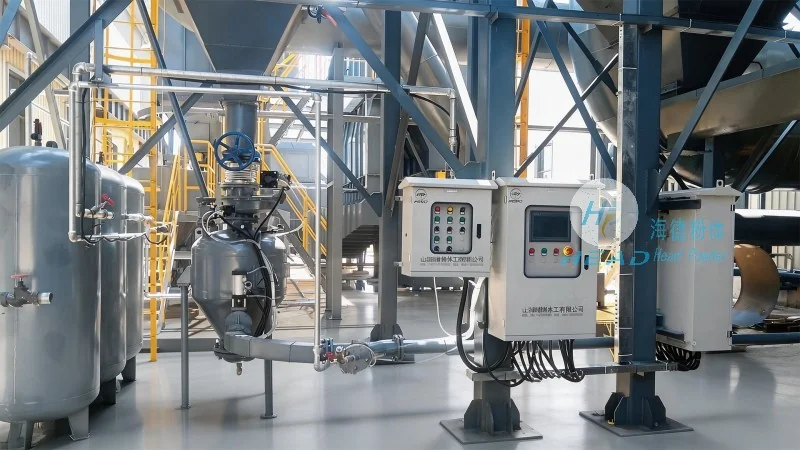
Operational Process and Flow Control
The operational process of the straw ash powder pneumatic conveying line involves several sequential steps to ensure efficient material handling. Initially, the straw ash is stored in the hopper, from which it is fed into the conveying line through a rotary valve or feeder. The feeder controls the flow rate by adjusting the rotation speed, allowing precise control over the amount of material being transported. The blower then generates the necessary air pressure to move the powder through the pipeline. The air stream is directed through the pipeline network, which may include bends, elbows, and other fittings to guide the material to the discharge point. At the receiving end, the material is collected in a receiver, while the air is filtered and returned to the system or released safely. This closed-loop system minimizes material loss and ensures consistent performance.
Advantages and Applications
Straw ash powder pneumatic conveying lines offer several advantages over traditional material handling methods, such as mechanical conveyors. These include reduced labor costs, improved safety by eliminating manual handling of powders, and the ability to transport materials over long distances without the need for multiple transfer points. The system is particularly suitable for applications involving fine powders, where dust control and material integrity are critical. Industries that benefit from this technology include agriculture, food processing, chemical manufacturing, and waste management, where straw ash is a byproduct that needs to be efficiently processed and utilized.
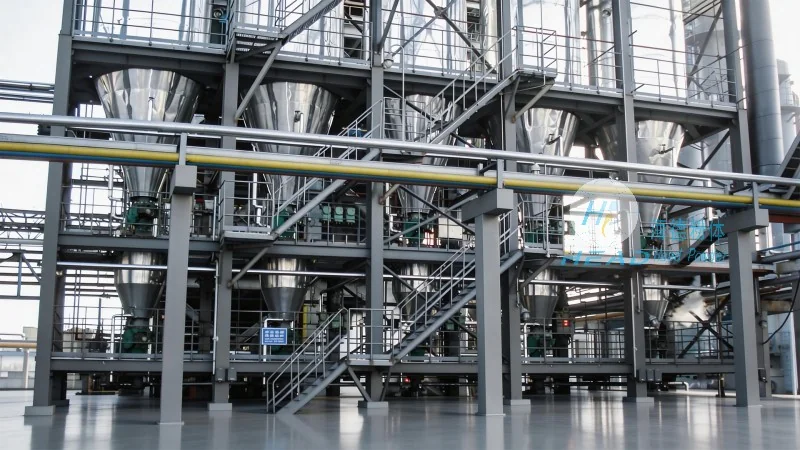
Maintenance and Operational Considerations
To ensure the long-term reliability and efficiency of the straw ash powder pneumatic conveying line, regular maintenance is essential. This includes checking the blower and compressor for proper operation, inspecting the pipeline for blockages or leaks, and cleaning the dust collector and filters regularly. The rotary valve and feeder should also be maintained to prevent material buildup and ensure consistent flow rates. Proper operational considerations, such as monitoring air pressure and flow rates, help identify any issues early and prevent system downtime. By adhering to these maintenance practices, users can maximize the lifespan of the equipment and maintain optimal performance.