

Operation Process and Working Principle of Pneumatic Conveying for Lithium-Ion Battery Positive Elec
HeadPowder, a leading enterprise in the field of powder material handling technology, specializes in the design, manufacturing, and application of pneumatic conveying systems tailored for lithium-ion battery positive electrode powder materials. This article provides an in-depth overview of the operation process and working principles of such systems, highlighting the critical role they play in ensuring efficient, safe, and reliable material transport within industrial settings.
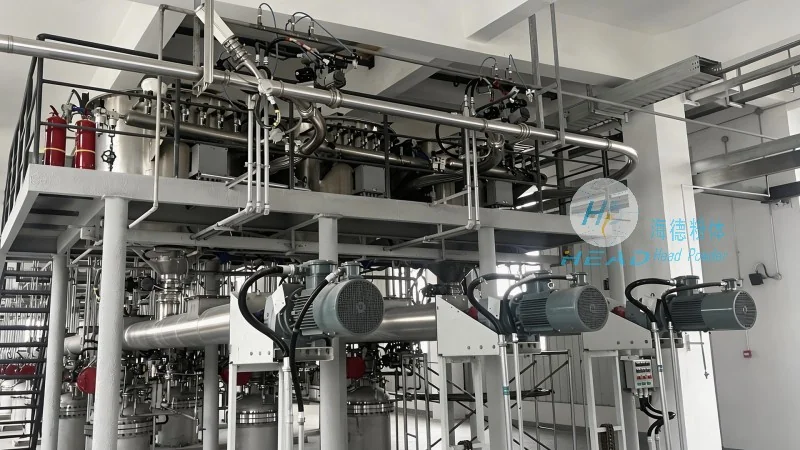
Company Profile: Shandong HeadPowder Engineering Co., Ltd.
HeadPowder, formally known as Shandong HeadPowder Engineering Co., Ltd., is headquartered in Shandong, China. With a strong commitment to innovation and precision engineering, the company has established itself as a trusted partner for businesses requiring advanced solutions for handling fine powders, particularly in the high-tech sectors like lithium battery manufacturing. Our expertise lies in developing customized pneumatic conveying systems that meet the stringent requirements of modern production lines, ensuring optimal performance and minimal downtime.
Understanding Pneumatic Conveying for Battery Materials
Pneumatic conveying is a method of transporting bulk materials, such as lithium-ion battery positive electrode powders, through a pipeline using air or other gas as the conveying medium. This technology offers several advantages over traditional mechanical conveying methods, including reduced risk of material contamination, lower maintenance costs, and the ability to handle materials with high moisture content or sensitivity to air exposure. For battery manufacturers, the efficiency and reliability of the conveying system directly impact the quality and consistency of the final product.
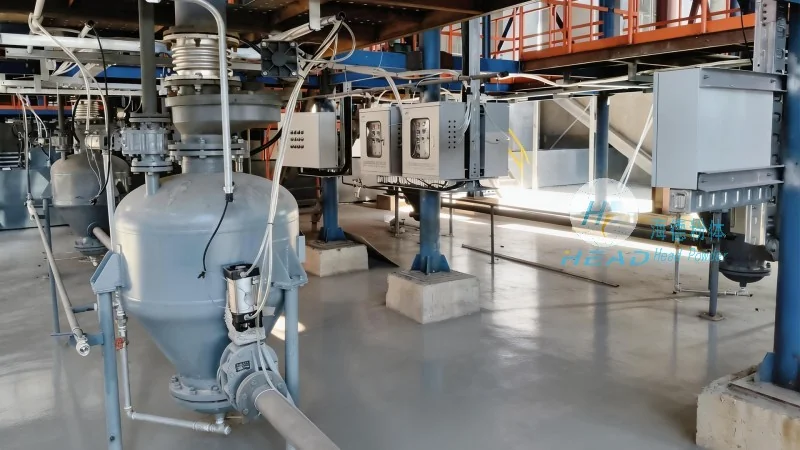
The Core Components and Working Principle
A typical pneumatic conveying system for lithium-ion battery positive electrode powders consists of several key components, each playing a crucial role in the material transport process. The main components include a material feed hopper, a conveyor pipeline, a pressure or vacuum source (such as a blower or vacuum pump), a control system, and a discharge or collection unit. The working principle involves introducing the powder material into the feed hopper, where it is then drawn or pushed through the pipeline by the air flow generated by the pressure source.
Operation Process: Step-by-Step Overview
The operation process of a pneumatic conveying system for battery materials can be broken down into several sequential steps, each designed to ensure smooth and efficient material movement. First, the positive electrode powder is fed into the material hopper from a storage silo or batch mixer. The hopper is equipped with a level sensor to monitor the material volume and trigger the feeding process as needed. Next, the control system activates the air compressor or vacuum pump, generating the necessary pressure or vacuum to initiate the conveying process. The powder is then entrained by the air flow and transported through the pipeline to the discharge point, where it is collected in a receiving container or directly fed into the next production stage.

Key Considerations for System Design and Performance
When designing a pneumatic conveying system for lithium-ion battery positive electrode powders, several factors must be carefully considered to ensure optimal performance and longevity. These include the particle size and density of the material, the required conveying distance and flow rate, the system pressure or vacuum level, and the need for material drying or cooling. HeadPowder engineers take into account these variables to design systems that not only meet the current production demands but also allow for future scalability and upgrades. Additionally, the system must be constructed from materials that are compatible with the powder, such as stainless steel or specialized coatings, to prevent contamination and corrosion.
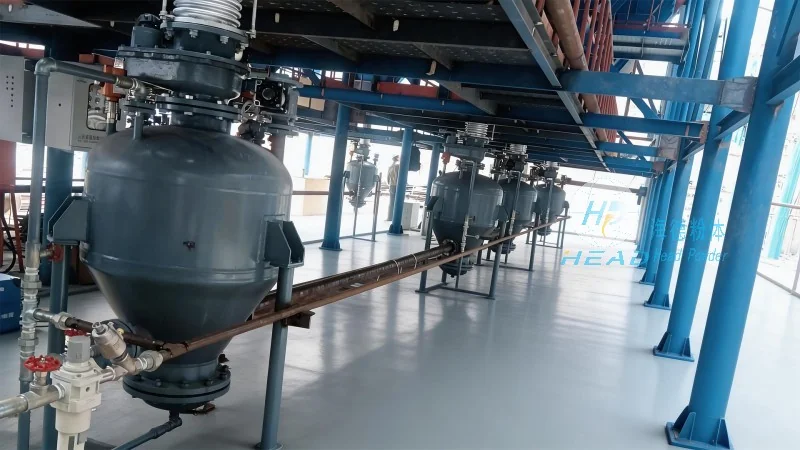
Benefits and Applications in Battery Manufacturing
The application of pneumatic conveying systems in lithium-ion battery manufacturing offers numerous benefits, making it an indispensable part of modern production lines. These systems enable precise control over material flow, reducing the risk of overfilling or underfilling in battery cells. They also minimize human intervention, enhancing safety in the workplace and reducing the potential for operator error. Furthermore, the ability to handle powders with high purity requirements ensures that the final battery products meet the stringent quality standards set by the industry.
Conclusion and Future Outlook
In conclusion, pneumatic conveying systems for lithium-ion battery positive electrode powder materials are critical components in the battery manufacturing process, offering efficient, safe, and reliable material transport solutions. HeadPowder, with its expertise in engineering and application, provides customized systems that address the unique challenges of handling these materials. By understanding the operation process and working principles of such systems, manufacturers can optimize their production lines, improve product quality, and maintain a competitive edge in the rapidly evolving battery industry.