

[Vacuum Dilute Phase Material Conveying System Equipment: Operation Process and Working Principle]
For industrial applications requiring efficient and reliable material transport, the vacuum dilute phase material conveying system stands out as a sophisticated solution. This equipment, designed by Shandong HeadPowder Engineering Co., Ltd., a leading manufacturer based in China, offers a robust method for transporting bulk materials over long distances with minimal pressure differentials. The system is engineered to handle a wide range of materials, from powders to granules, ensuring consistent performance and low maintenance requirements.
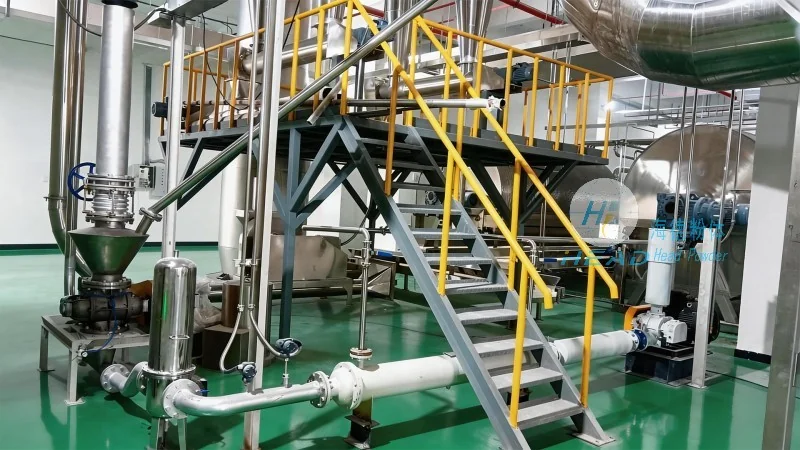
Key Components and Their Functions
The vacuum dilute phase material conveying system comprises several critical components that work in tandem to achieve effective material transport. The main components include the vacuum pump, conveying pipe, material feed hopper, and control system. The vacuum pump creates a negative pressure environment within the conveying pipe, drawing material from the feed hopper and propelling it through the system. The conveying pipe is typically made of durable materials such as stainless steel or plastic, ensuring resistance to corrosion and wear from the transported materials. The material feed hopper is designed to hold the bulk material and feed it into the system at a controlled rate, preventing blockages and ensuring smooth operation. The control system monitors and regulates the pressure, flow rate, and other operational parameters to maintain optimal performance.
Operation Process of the System
The operation of the vacuum dilute phase material conveying system follows a systematic process that ensures efficient material transport. Initially, the system is activated, and the vacuum pump begins to create a negative pressure in the conveying pipe. Simultaneously, the material feed hopper is filled with the bulk material, and the feed mechanism starts to introduce the material into the system. As the material enters the conveying pipe, it is entrained by the air flow generated by the vacuum pump, forming a dilute phase mixture. This mixture travels through the pipe under the influence of the pressure differential, moving from the feed point to the discharge point. The control system continuously monitors the pressure and flow rate, adjusting the vacuum pump speed or feed rate as needed to maintain the desired conveying rate. Once the material reaches the discharge point, it is collected in a receiving hopper or container, completing the transport cycle. The system operates continuously, with the vacuum pump and feed mechanism working in sync to maintain a steady flow of material.
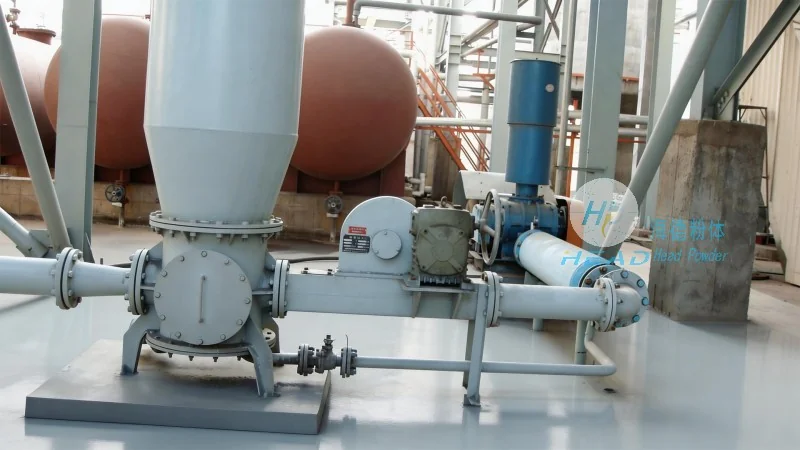
Working Principle of the Vacuum Dilute Phase Conveying System
The working principle of the vacuum dilute phase material conveying system is based on the creation of a negative pressure environment and the entrainment of material particles in a carrier gas. The vacuum pump generates a low-pressure zone within the conveying pipe, which draws air and material particles from the feed hopper into the system. The material particles are then suspended in the air stream, forming a dilute phase mixture. The pressure difference between the feed point and the discharge point drives the flow of the mixture through the pipe. The system relies on the principle of fluid dynamics, where the velocity of the air flow is sufficient to keep the material particles suspended and transport them to the destination. The control system plays a crucial role in maintaining the pressure differential and flow rate, ensuring that the material is conveyed efficiently without excessive energy consumption or material degradation.
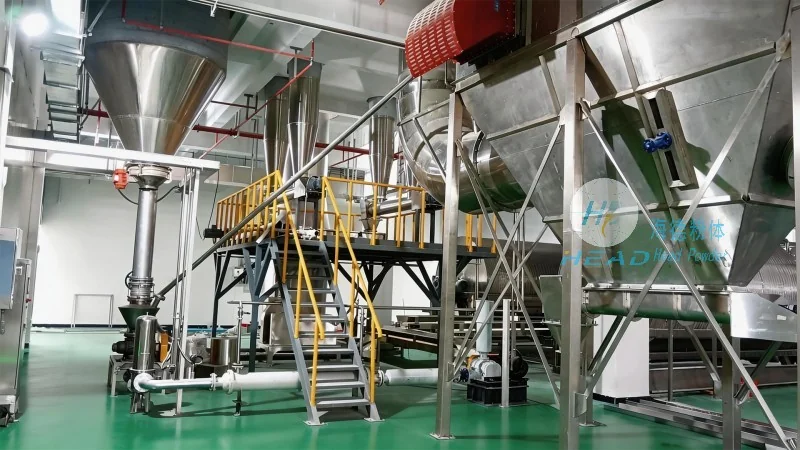
Advantages of Vacuum Dilute Phase Material Conveying
Compared to other material conveying methods, the vacuum dilute phase system offers several advantages that make it suitable for a wide range of industrial applications. One of the key advantages is its ability to transport materials over long distances with minimal pressure differentials, reducing the need for high-pressure pumps or complex piping systems. The system is also highly flexible, as it can handle a variety of materials, including powders, granules, and even fine particles, without requiring significant modifications. Additionally, the vacuum operation reduces the risk of material contamination and dust exposure, making it suitable for applications where hygiene and safety are critical. The system is also energy-efficient, as the vacuum pump operates at lower pressures compared to positive pressure systems, resulting in lower energy consumption and operational costs. Furthermore, the dilute phase operation minimizes material degradation, as the particles are suspended in the air stream rather than being subjected to high shear forces or friction.
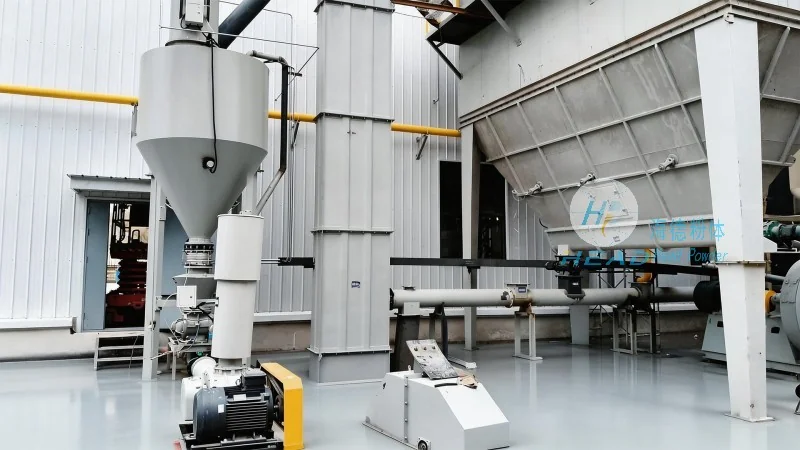
Applications and Industries
The vacuum dilute phase material conveying system is widely used in various industries, including pharmaceuticals, food processing, chemical manufacturing, and mining. In the pharmaceutical industry, the system is used to transport raw materials and finished products, ensuring that the materials are handled in a sterile and controlled environment. In food processing, the system is used to convey ingredients such as flour, sugar, and spices, maintaining the quality and freshness of the products. In chemical manufacturing, the system is used to transport powders and granules, ensuring that the materials are handled safely and efficiently. In mining, the system is used to transport ore and other bulk materials from the mine to processing facilities, reducing the need for manual handling and improving operational efficiency.
Maintenance and Operational Considerations
To ensure the optimal performance and longevity of the vacuum dilute phase material conveying system, regular maintenance and proper operational considerations are essential. The vacuum pump should be checked regularly for wear and tear, and the filters should be cleaned or replaced as needed to maintain efficient operation. The conveying pipe should be inspected for any signs of corrosion or wear, and the material feed hopper should be cleaned to prevent blockages. The control system should be calibrated regularly to ensure accurate monitoring and regulation of the operational parameters. Additionally, the system should be operated within the recommended pressure and flow rate ranges to avoid excessive wear or material degradation. Proper training of operators is also crucial to ensure that the system is operated correctly and safely.