

Operation Process and Working Principle of Glass Raw Material Powder Conveying Line
Shandong HeadPowder Engineering Co., Ltd. specializes in the design, manufacturing, and installation of advanced powder conveying systems tailored for the glass industry. The company's expertise lies in delivering efficient and reliable solutions for transporting glass raw materials, ensuring optimal performance in production lines. This article provides a detailed overview of the operation process and working principles of a typical glass raw material powder conveying line, highlighting key components and operational mechanisms.
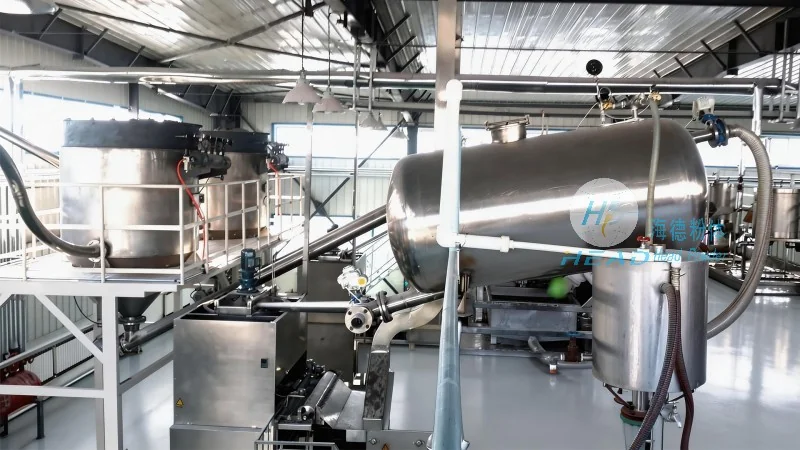
Overview of Glass Raw Material Powder Conveying Systems
A glass raw material powder conveying line is a critical component in glass manufacturing facilities, responsible for the efficient transport of raw materials such as silica sand, soda ash, limestone, and other additives from storage silos to the melting furnace. The system is engineered to maintain consistent material flow, minimize dust emissions, and ensure precise control over the conveying process. Shandong HeadPowder Engineering Co., Ltd. designs these systems to meet the specific requirements of glass manufacturers, considering factors like material properties, production capacity, and environmental regulations.
Key Components and Their Functions
The glass raw material powder conveying line typically consists of several key components, each playing a crucial role in the overall operation. These components include storage silos, feeders, conveying equipment (such as screw conveyors, pneumatic conveyors, or bucket elevators), control systems, and dust collection units. Each component is carefully selected and integrated to ensure seamless material transfer and operational efficiency.
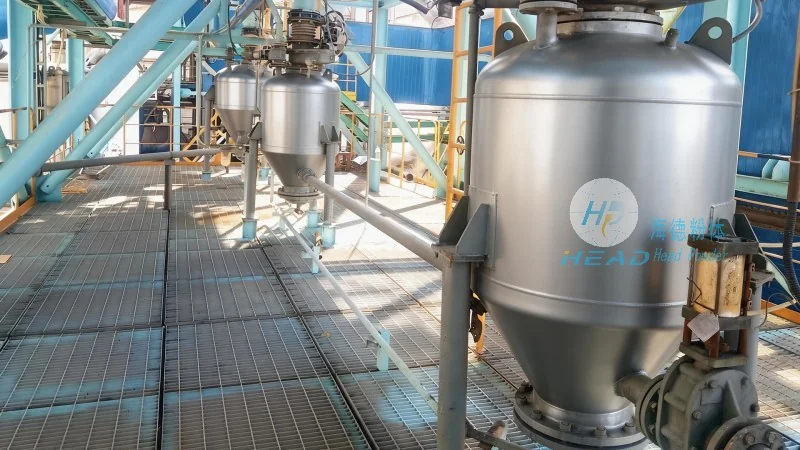
Working Principle of the Conveying Process
The operation of a glass raw material powder conveying line begins with the raw materials being stored in large silos. From there, the materials are discharged into feeders, which regulate the flow rate to the conveying equipment. The conveying equipment then transports the powder to the next stage of the production process, such as the melting furnace. The entire process is controlled by a centralized system that monitors parameters like flow rate, pressure, and temperature, ensuring optimal performance and preventing system failures.
Operation Process: Step-by-Step
The operation of the glass raw material powder conveying line follows a systematic process to ensure consistent and reliable material transport. The steps include: 1. Material storage: Raw materials are stored in silos to maintain a steady supply. 2. Material feeding: Feeders control the discharge rate from the silos to the conveying equipment. 3. Conveying: The selected conveying equipment transports the powder to the processing unit. 4. Dosing and mixing: The conveyed materials are dosed into the melting furnace in precise quantities, ensuring the correct composition of the glass batch. 5. System monitoring: The control system continuously monitors all parameters to maintain optimal operation and detect any issues promptly.
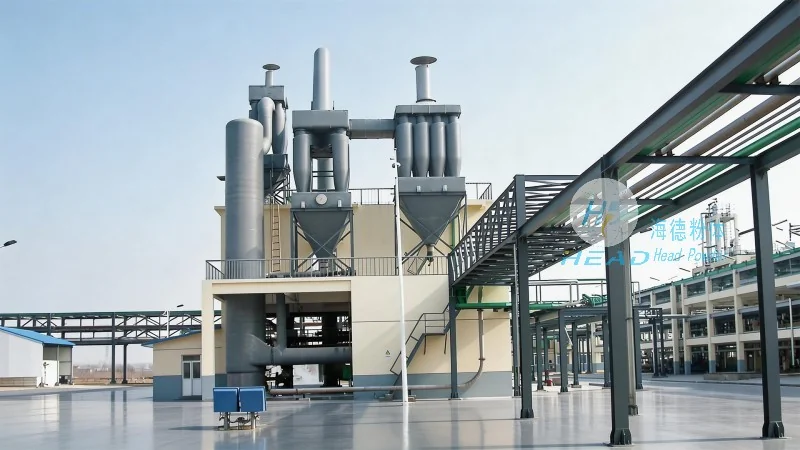
Advantages of Using a Powder Conveying Line
Implementing a glass raw material powder conveying line offers several advantages for glass manufacturers. These include improved material handling efficiency, reduced labor costs, minimized dust emissions and environmental impact, and enhanced product quality through precise control over material flow. The systems are designed to handle various raw materials with different properties, ensuring flexibility and adaptability to changing production needs.
Conclusion
Shandong HeadPowder Engineering Co., Ltd. provides comprehensive solutions for glass raw material powder conveying lines, combining advanced technology with expert engineering. The company's systems are designed to meet the demanding requirements of the glass industry, ensuring reliable operation, high efficiency, and compliance with industry standards. By understanding the operation process and working principles of these systems, glass manufacturers can optimize their production lines and enhance overall operational performance.