

Operation Process and Working Principle of Lithium Oxalate Powder Handling Equipment
Understanding the operation process and working principle of lithium oxalate powder handling equipment is crucial for optimizing industrial production efficiency and ensuring safe material transfer. This equipment is specifically designed to manage the transportation of lithium oxalate, a critical raw material in lithium-ion battery manufacturing. The following sections will delve into the detailed operation process and the underlying principles that govern the equipment's functionality.
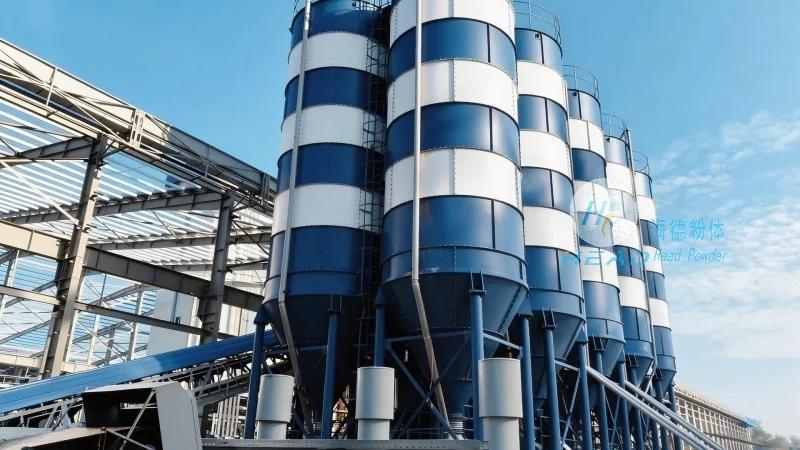
Company Overview and Expertise
HeadPowder, or Shandong HeadPowder Engineering Co., Ltd., is a leading manufacturer specializing in powder handling solutions. With a strong presence in China, particularly in Shandong, the company has built a reputation for delivering high-quality equipment tailored to the unique needs of the lithium battery industry. Their expertise lies in developing robust systems that ensure efficient and reliable handling of lithium oxalate, a material that demands precision and safety in its processing.
Key Components and Structure of the Powder Handling Equipment
The lithium oxalate powder handling equipment typically consists of several key components, each playing a vital role in the overall operation. These components include a hopper for material storage, a conveyor system for transport, and a control unit for monitoring and adjustment. The hopper is designed to accommodate large quantities of lithium oxalate, ensuring a steady supply to the conveyor. The conveyor, often using a belt or screw mechanism, moves the powder from the hopper to the processing or packaging area. The control unit allows operators to adjust parameters such as speed and pressure, optimizing the flow of the material and preventing blockages or spills.
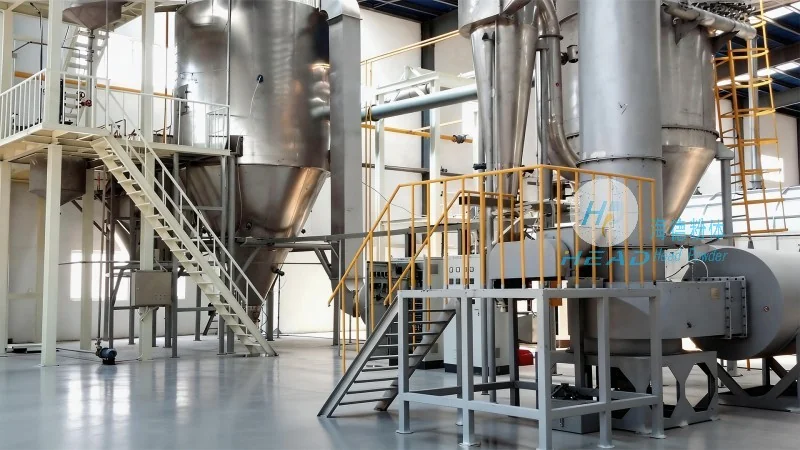
Operation Process: Step-by-Step Breakdown
The operation of the lithium oxalate powder handling equipment follows a systematic process, starting with material loading and ending with delivery to the next stage of production. The first step involves loading lithium oxalate into the hopper. This is typically done manually or via an automated feeding system, depending on the scale of operation. Once the hopper is filled, the conveyor system is activated, and the powder begins to move from the hopper to the discharge point. The speed of the conveyor is carefully controlled to maintain a consistent flow rate, preventing overloading or underflow. As the powder travels through the conveyor, it passes through any necessary processing stages, such as drying or mixing, before reaching the final discharge point. The control unit continuously monitors the system, adjusting parameters as needed to ensure smooth operation and avoid any disruptions.
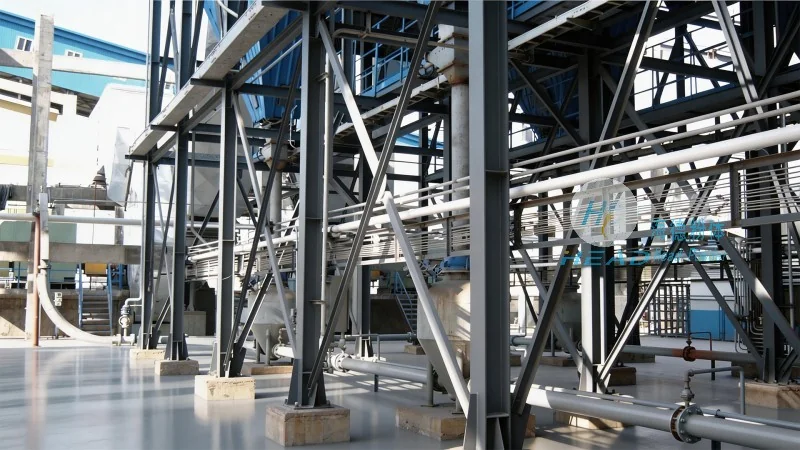
Working Principle: How the Equipment Ensures Efficient Material Transfer
The working principle of the lithium oxalate powder handling equipment is based on the principles of fluid dynamics and mechanical engineering. The hopper's design, with its sloped sides, helps to minimize material bridging and ensures a uniform flow of the powder. The conveyor system uses either a belt or screw mechanism to move the material, leveraging gravity and mechanical force to transfer the powder. The control unit plays a critical role in maintaining the balance between the input and output rates, preventing accumulation or depletion of material. By integrating sensors and feedback mechanisms, the equipment can automatically adjust its operation to maintain optimal performance. This ensures that the lithium oxalate is transferred efficiently and safely, minimizing the risk of contamination or loss.
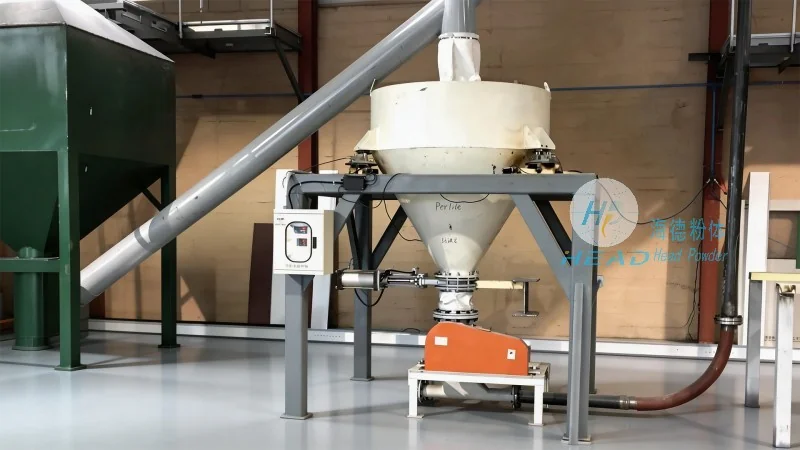
Advantages and Applications in Lithium Battery Manufacturing
The lithium oxalate powder handling equipment offers several advantages that make it indispensable in lithium battery production. Its ability to handle fine powders like lithium oxalate with precision reduces the risk of material loss and contamination, which are critical factors in battery manufacturing. The equipment's robust design ensures durability and long-term reliability, even under high-intensity operational conditions. Additionally, the adjustable parameters allow for flexibility in handling different batch sizes and production rates, making it suitable for various production scales. In lithium battery manufacturing, this equipment is used to transport lithium oxalate from storage to the electrode production line, where it is further processed into battery components. The efficiency of the powder handling system directly impacts the overall production speed and quality of the final battery products.
Maintenance and Safety Considerations
Proper maintenance and adherence to safety protocols are essential for the optimal performance and longevity of the lithium oxalate powder handling equipment. Regular cleaning of the hopper and conveyor is necessary to prevent the buildup of powder, which can affect the flow and cause blockages. The equipment should be inspected regularly for any signs of wear or damage, such as worn belts or loose components. Safety features, such as dust extraction systems and emergency stop buttons, are integral to the design, ensuring the protection of operators and the prevention of dust explosions. Training operators on the proper use and maintenance of the equipment is also crucial to minimize risks and ensure smooth operation. By following these maintenance and safety guidelines, the equipment can operate efficiently and safely, providing reliable service in lithium battery production.