

Operation Process and Working Principle of Sponge Sand Powder Conveying Equipment
For industrial applications that require efficient and reliable transportation of sponge sand, specialized powder conveying equipment is essential. This equipment is designed to handle the unique properties of sponge sand, ensuring smooth and consistent material movement from the source to the destination. The operation process and working principle of such equipment are critical for optimizing production efficiency and maintaining product quality.
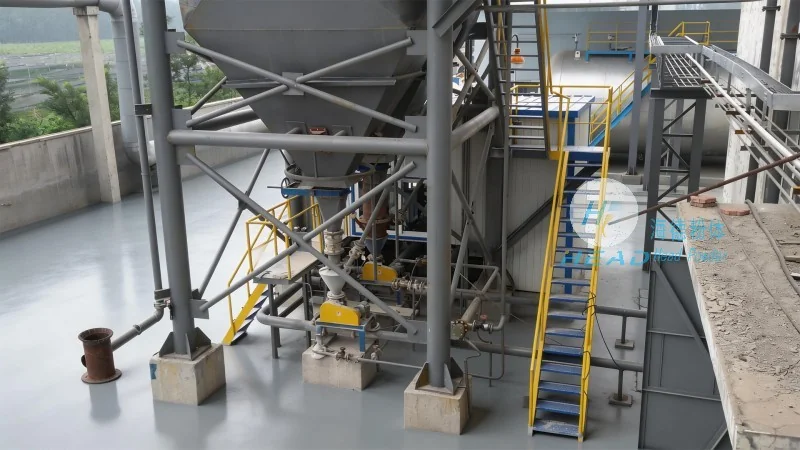
Company Overview: Shandong HeadPowder Engineering Co., Ltd.
HeadPowder, a leading manufacturer in the field of powder handling technology, specializes in the design, development, and production of advanced conveying systems. With a strong commitment to innovation and customer satisfaction, the company has established itself as a trusted partner for businesses operating in various industries that rely on high-performance powder handling solutions. HeadPowder's headquarters is located in Shandong, China, where the company leverages local expertise and resources to deliver cutting-edge equipment tailored to the specific needs of its clients.
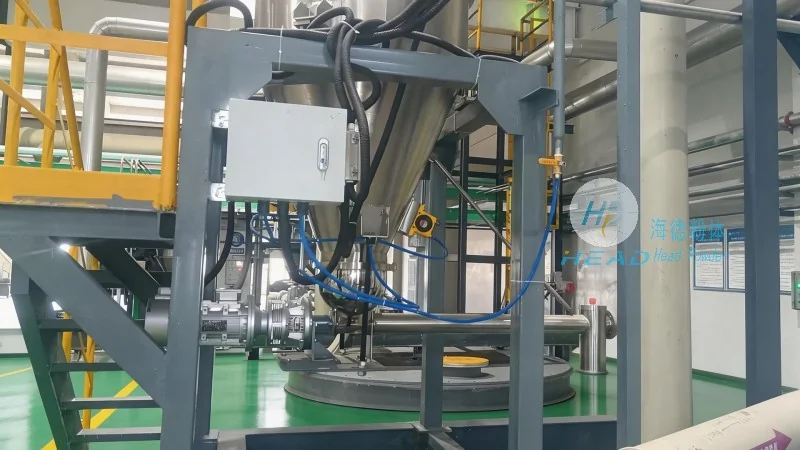
Key Components and Working Principle
The core of sponge sand powder conveying equipment typically consists of several key components, each playing a vital role in the overall operation. The primary components include a hopper for material storage, a conveyor mechanism (such as a screw conveyor or pneumatic system), control systems for regulating flow, and a discharge outlet for delivering the material to the next stage of processing. The working principle revolves around the controlled movement of sponge sand from the hopper into the conveyor system, where it is transported under precise conditions to avoid agglomeration or degradation.
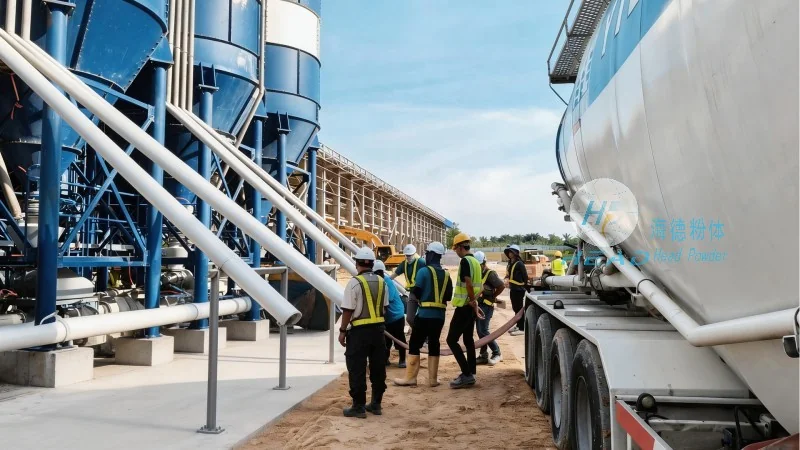
Operation Process: Step-by-Step Overview
The operation of sponge sand powder conveying equipment follows a systematic process that ensures consistent and efficient material handling. The process begins with the loading of sponge sand into the hopper, where the material is stored under controlled conditions to maintain its quality. Once the hopper is filled, the conveyor mechanism is activated, initiating the movement of the material. The conveyor system then transports the sponge sand through the pipeline or conveyor path, using either mechanical force (in the case of screw or belt conveyors) or pneumatic pressure (in the case of air-assisted systems). The speed and pressure are carefully regulated to match the characteristics of the sponge sand, preventing issues such as blockages or uneven flow. At the discharge end, the material is released into the next processing unit or storage container, completing the conveying cycle.
Advantages of Using Sponge Sand Powder Conveying Equipment
Implementing specialized conveying equipment for sponge sand offers numerous advantages that contribute to improved operational performance and cost-effectiveness. One of the key benefits is the reduction in material loss and contamination, as the equipment is designed to handle the fine and delicate nature of sponge sand without causing damage or degradation. Additionally, the controlled flow and precise regulation of the conveying process minimize the risk of clogging or system downtime, leading to higher productivity and lower maintenance costs. The equipment also enhances safety by eliminating manual handling of the material, reducing the risk of accidents and improving workplace conditions. Furthermore, the adaptability of the system allows for integration with existing production lines, making it a versatile solution for various industrial applications.
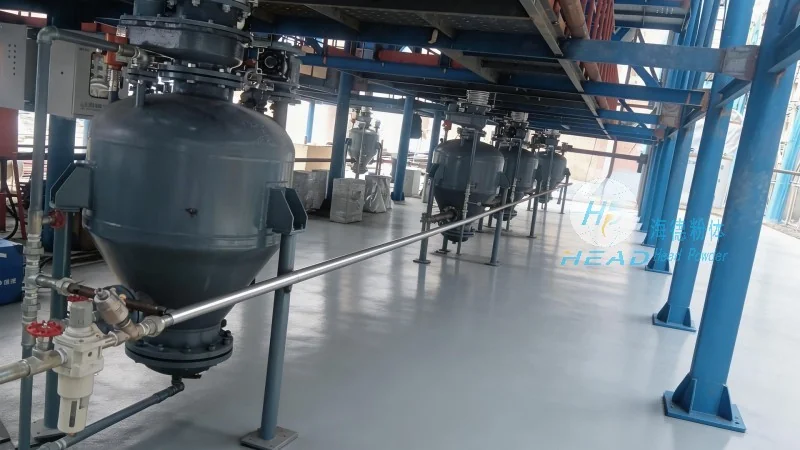
Application Examples and Industry Impact
Sponge sand powder conveying equipment is widely used in industries such as foundries, refractory manufacturing, and construction material production, where the efficient handling of fine powders is crucial. In foundries, for example, the equipment is used to transport sponge sand for sand molding processes, ensuring consistent quality in the final castings. In refractory manufacturing, the system helps in the precise delivery of raw materials to the mixing and processing stages, contributing to the production of high-quality refractory products. The equipment's ability to handle the unique properties of sponge sand makes it an indispensable tool for these industries, enabling them to achieve higher production rates and better product consistency.