

Operation Process and Working Principle of Corn Powder Conveying System
Shandong HeadPowder Engineering Co., Ltd. specializes in the design, manufacturing, and installation of advanced corn powder conveying systems, providing efficient and reliable solutions for various industrial applications. Based in Shandong, China, the company leverages decades of experience in powder handling technology to deliver high-performance equipment tailored to customer needs.
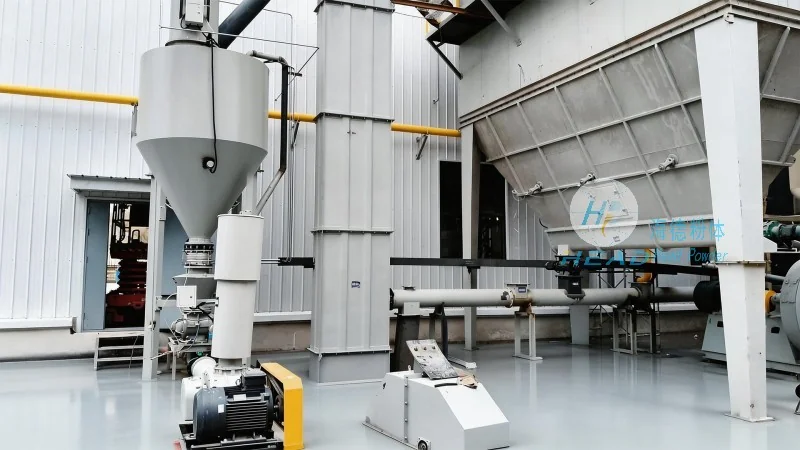
Overview of Corn Powder Conveying Systems
A corn powder conveying system is a specialized setup engineered to transport corn flour or other fine powder materials from one location to another within industrial facilities. These systems are crucial in sectors such as food processing, pharmaceuticals, and chemical manufacturing, where the safe and efficient movement of powders is essential for operational efficiency and product quality. The design of such systems typically involves a combination of components, including hoppers, conveyors, control panels, and dust collection units, all working in harmony to ensure smooth material flow.
Key Components of the Conveying System
The core components of a corn powder conveying system include: 1. Hoppers: These are large containers that store the corn powder, providing a consistent feed to the conveyor. The design of hoppers often incorporates features like agitators or level sensors to prevent material bridging and ensure a steady flow. 2. Conveyors: Various types of conveyors are used, such as pneumatic conveyors (air-assisted) or mechanical conveyors (e.g., screw or belt conveyors), depending on the specific requirements of the application. Pneumatic systems are particularly effective for fine powders due to their ability to handle dust and prevent contamination. 3. Control Panels: Integrated control systems manage the operation of the entire system, allowing for automated start-up, shutdown, and monitoring of key parameters like pressure, flow rate, and temperature. 4. Dust Collection Systems: To maintain a clean and safe working environment, dust collection units are typically integrated into the system, capturing airborne particles and ensuring compliance with environmental regulations.
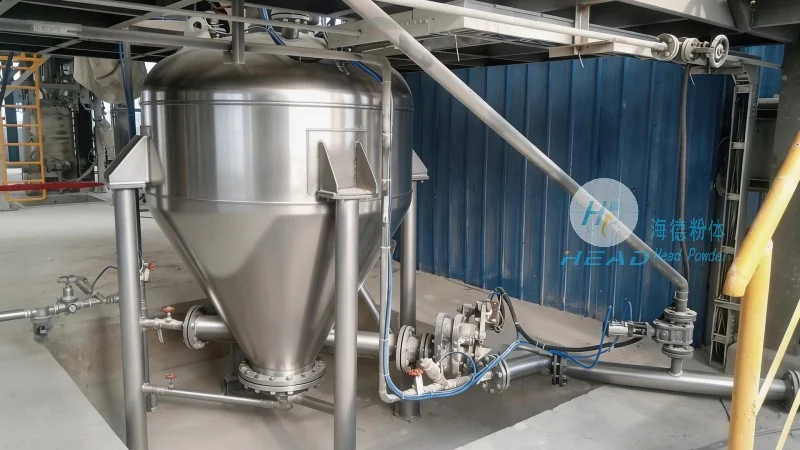
Operation Process of the Corn Powder Conveying System
The operation of a corn powder conveying system follows a systematic process to ensure efficient material transfer. The workflow typically begins with the loading of corn powder into the hopper. Once the hopper is filled, the system initiates the conveying process. In a pneumatic conveying system, for example, compressed air is introduced into the hopper, creating a pressure differential that propels the powder through the conveying line. The powder travels through the pipeline, passing through any necessary processing units such as filters or mixers, before being discharged into the destination container. The control panel continuously monitors the system's performance, adjusting air pressure or flow rates as needed to maintain optimal operation. The entire process is designed to be automated, minimizing human intervention and reducing the risk of errors or material loss.
Working Principle of the Conveying System
The working principle of a corn powder conveying system is based on the principles of fluid dynamics and mechanical force. In pneumatic conveying systems, the system utilizes compressed air to create a flow of air and powder mixture. The air acts as a carrier, transporting the fine powder particles through the pipeline. The velocity of the air is carefully controlled to ensure that the powder particles are entrained and moved without causing excessive wear on the system components. Mechanical conveyors, on the other hand, rely on the rotation of screws or belts to push the powder forward. The screw conveyor, for instance, uses a rotating helical screw to move the material along the conveyor path, while the belt conveyor uses a moving belt to transport the powder. Both systems are designed to handle different particle sizes and flow rates, with the choice of system depending on factors such as the powder's moisture content, density, and the required conveying distance.
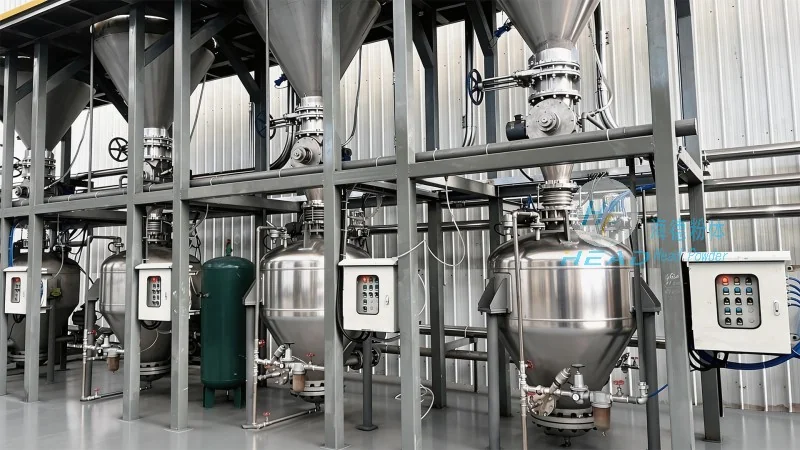
Advantages of Using a Corn Powder Conveying System
Implementing a corn powder conveying system offers several advantages for industrial operations. Firstly, it enhances operational efficiency by automating the material handling process, reducing labor costs and minimizing downtime. Secondly, the system ensures consistent and reliable material flow, which is critical for maintaining product quality and preventing contamination. Thirdly, the integration of dust collection systems improves workplace safety and environmental compliance, reducing the risk of respiratory issues or environmental pollution. Additionally, the modular design of these systems allows for easy expansion or modification to accommodate changing production needs, providing long-term value for the investment.
Customization and Application Flexibility
Shandong HeadPowder Engineering Co., Ltd. understands that each industrial application has unique requirements. Therefore, the company offers customized corn powder conveying systems tailored to specific customer needs. Whether the application involves short-distance or long-distance conveying, high or low flow rates, or the handling of different powder types, the company's engineers work closely with clients to design a solution that meets their exact specifications. The flexibility of the systems allows for integration with existing production lines, minimizing disruption during installation and ensuring a smooth transition to the new conveying process.
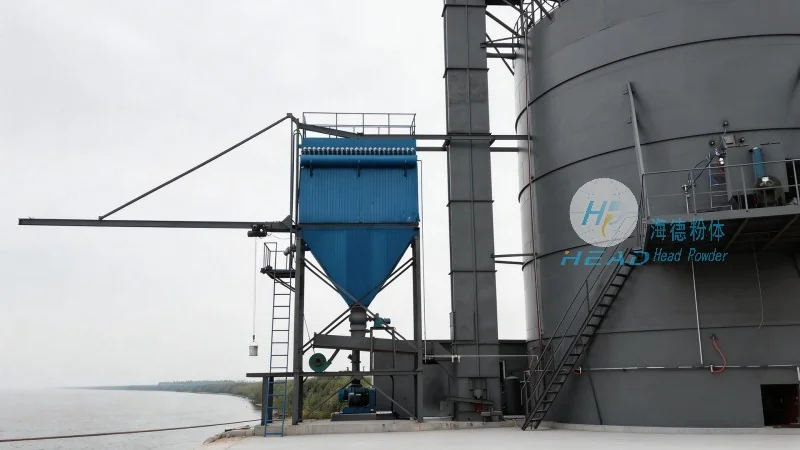
Maintenance and Longevity
To ensure the longevity and reliability of the corn powder conveying system, regular maintenance is essential. The company provides comprehensive maintenance services, including routine inspections, component replacement, and system calibration. Proper maintenance not only extends the lifespan of the equipment but also ensures consistent performance and reduces the risk of unexpected breakdowns. By adhering to the manufacturer's recommended maintenance schedule, users can maximize the efficiency and safety of their conveying system, ultimately contributing to overall operational success.
Conclusion
Shandong HeadPowder Engineering Co., Ltd. provides advanced corn powder conveying systems that combine efficiency, reliability, and customization to meet the diverse needs of industrial clients. By understanding the operation process and working principles of these systems, businesses can leverage the benefits of automated powder handling, improving productivity, product quality, and workplace safety. With a focus on quality and customer satisfaction, the company continues to be a leader in the powder handling industry, delivering solutions that drive success for its clients.