

Operation Process and Working Principle of Yeast Pneumatic Conveying System Equipment
Yeast is a critical ingredient in numerous industrial applications, including brewing, baking, and pharmaceutical production. The efficient and reliable transport of yeast from storage to processing units is vital for maintaining product quality and operational efficiency. This article provides a detailed overview of the operation process and working principle of yeast pneumatic conveying systems, highlighting key components, operational steps, and technical aspects that ensure effective material handling.
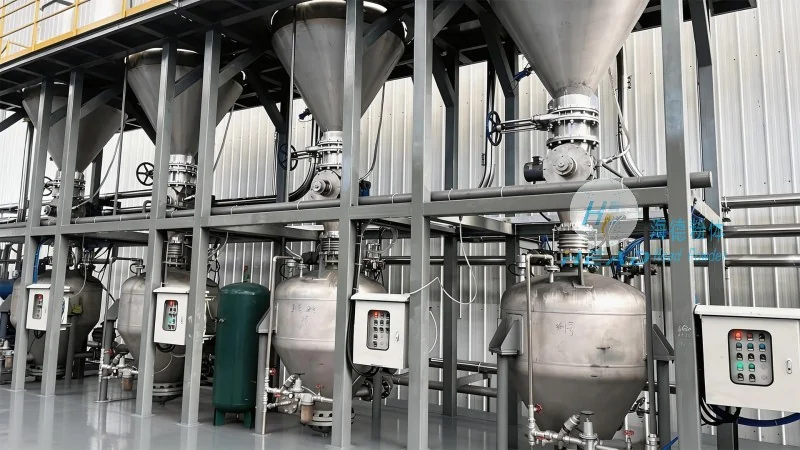
Introduction to Yeast Pneumatic Conveying Systems
Yeast pneumatic conveying systems are specialized equipment designed to transport dry yeast particles through a pipeline using compressed air or other gas streams. These systems are widely adopted in the food and beverage industry due to their ability to handle delicate materials without causing damage or degradation. Compared to traditional mechanical conveying methods, pneumatic systems offer advantages such as reduced contamination risk, lower maintenance requirements, and enhanced process control.
Key Components of the System
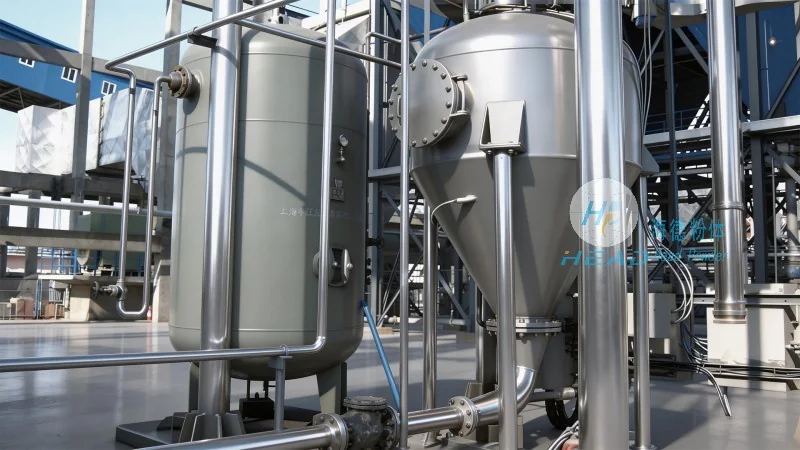
The yeast pneumatic conveying system typically consists of several essential components that work in concert to ensure smooth operation. These components include the storage hopper or silo, the feeder or dosing unit, the conveying pipeline, the air compressor or blower, and the receiver or discharge hopper. Each component is critical for the system's performance and must be properly designed and maintained to achieve optimal results.
The Working Principle
The operation of a yeast pneumatic conveying system is based on the principle of pneumatic transport, where dry material is suspended and carried by a moving gas stream. The process starts with yeast being fed from the storage hopper into the feeder. The feeder regulates the flow rate of the yeast, ensuring a consistent and controlled supply to the conveying line. Simultaneously, the air compressor generates a high-pressure air stream that is introduced into the pipeline. As the compressed air flows through the pipeline, it creates a low-pressure zone that draws the yeast particles into the air stream, forming a dense mixture known as a slurry or suspension.
Operation Process: Step-by-Step Breakdown
1. **Material Preparation and Feeding**: The yeast is stored in a sealed hopper or silo to prevent contamination and moisture absorption. The feeder, often a rotary valve or screw feeder, meters the yeast at a controlled rate into the conveying pipeline. This step ensures uniform material introduction, avoiding blockages or uneven flow.
2. **Air Compression and Introduction**: The air compressor or blower generates compressed air at a pressure sufficient to overcome pipeline resistance and lift the yeast particles. The compressed air is then introduced into the pipeline, typically at the inlet. The air velocity is carefully controlled to maintain proper suspension of yeast particles without excessive wear on system components.
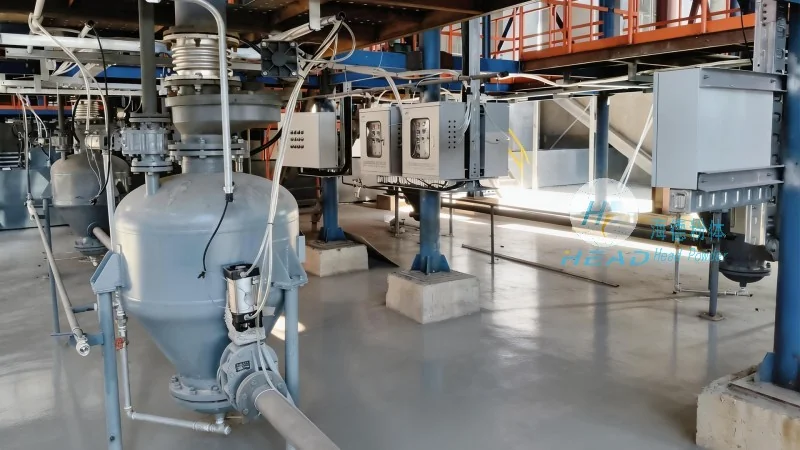
3. **Conveying and Transport**: As the compressed air flows through the pipeline, it carries the yeast particles along the path from the feeding point to the discharge point. The conveying velocity is maintained at a level that ensures the yeast remains suspended and does not settle out of the air stream. The pipeline is equipped with bends, elbows, and other fittings designed to minimize pressure loss and maintain conveying stability.
4. **Decompression and Discharge**: At the receiving end of the pipeline, the air and yeast mixture passes through a receiver or discharge hopper. The receiver may include a cyclone separator or filter to separate yeast from the air stream. The separated yeast is collected in the hopper, while the air is either vented or recirculated back to the compressor for energy efficiency. The discharge hopper then delivers the yeast to the next processing stage, such as a mixing tank or fermentation vessel.
Advantages of Using Yeast Pneumatic Conveying Systems
Yeast pneumatic conveying systems offer several benefits over traditional methods. These include: (1) Reduced contamination risk due to the sealed system design, preventing exposure to external pollutants. (2) Lower maintenance costs as there are fewer moving parts compared to mechanical conveyors. (3) Improved process control through precise flow rate regulation, ensuring consistent product quality. (4) Energy efficiency, as the system can be optimized to minimize air consumption while maintaining effective conveying performance. (5) Flexibility in system layout, allowing for horizontal, vertical, or combined conveying paths to suit different plant layouts.
Maintenance and Operational Considerations
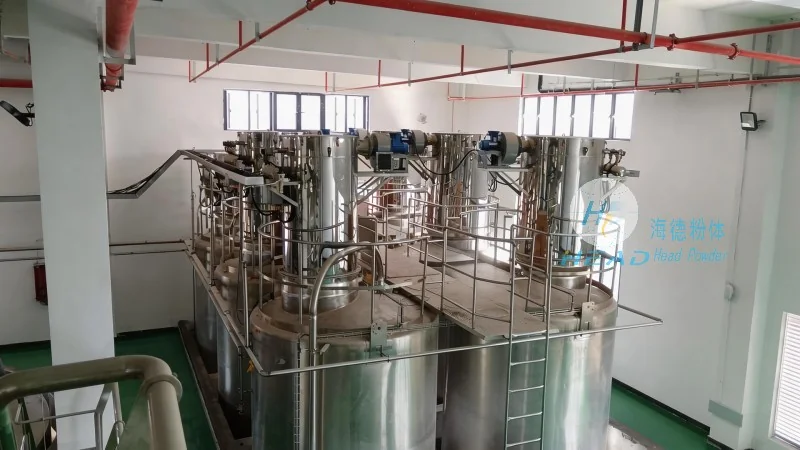
Proper maintenance is crucial for the long-term performance and reliability of yeast pneumatic conveying systems. Regular inspections of the air compressor, feeder, and pipeline for wear and tear are essential. The system should also be cleaned periodically to prevent yeast residue accumulation, which can affect air flow and system efficiency. Additionally, monitoring air pressure and flow rate during operation helps identify potential issues early, enabling timely troubleshooting and repairs.
Conclusion
Yeast pneumatic conveying systems are integral to modern industrial processes, providing efficient and reliable transport of yeast while preserving product integrity. The operation process involves precise control of material feeding, air compression, and conveying, all contributing to system effectiveness. By understanding the working principle and operational steps, users can optimize the system for their specific needs and ensure consistent performance. The technology, developed and manufactured by companies like Shandong HeadPowder Engineering Co., Ltd. (headpowder), offers a robust solution for yeast handling in various industries, supporting high-quality production and operational efficiency.