

Principle and Working Scene Characteristics of Dolomite Material Pneumatic Conveying Equipment
HeadPowder, a leading manufacturer in the field of material handling solutions, specializes in the design and production of advanced pneumatic conveying systems tailored for various industrial applications. This article delves into the principle and working scene characteristics of dolomite material pneumatic conveying equipment, highlighting its technical aspects and practical applications.
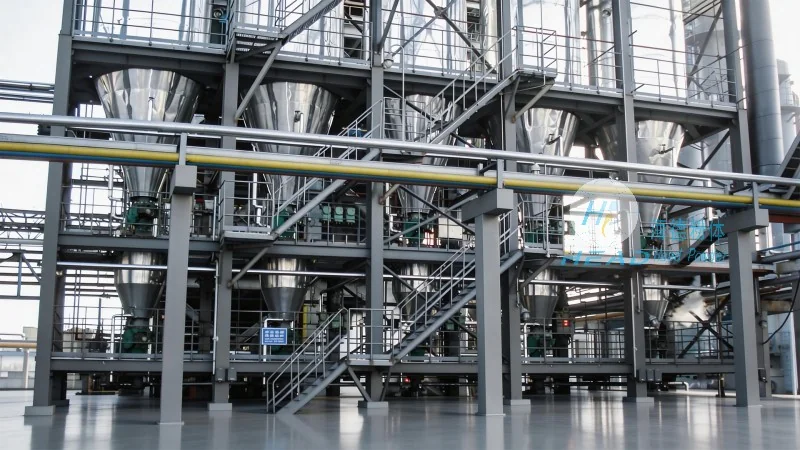
Introduction to Dolomite Material Pneumatic Conveying
Dolomite, a calcium-magnesium carbonate mineral, is widely used in industries such as cement production, steel manufacturing, and chemical processing. The efficient and reliable transportation of dolomite powder is crucial for maintaining production efficiency and ensuring product quality. Pneumatic conveying systems offer a solution to this challenge by utilizing air as the conveying medium to transport bulk materials like dolomite over long distances or within complex production lines.
Principle of Pneumatic Conveying for Dolomite
The core principle of dolomite material pneumatic conveying involves the use of a pressurized or vacuum system to move the material through a pipeline. In a typical system, the dolomite powder is fed into a hopper, where it is then introduced into a pipeline by either a rotary valve or a feeder. Air is then introduced into the pipeline, creating a flow that carries the dolomite particles forward. The system can operate under positive pressure (where air is forced through the pipeline) or negative pressure (where air is drawn out of the pipeline), depending on the specific application requirements.
Key components of a dolomite pneumatic conveying system include the hopper, feeder, pipeline, and receiver. The hopper stores the dolomite material and provides a controlled feed to the system. The feeder ensures a consistent flow of material into the pipeline, preventing blockages and maintaining system efficiency. The pipeline is designed to handle the specific characteristics of dolomite, such as its particle size and density, to minimize wear and ensure smooth operation. The receiver collects the dolomite material at the destination point, completing the conveying process.
Working Scene Characteristics of Dolomite Pneumatic Conveying Equipment
The working scene characteristics of dolomite material pneumatic conveying equipment are tailored to meet the demands of different industrial environments. These systems are designed to operate in various settings, including indoor production facilities, outdoor storage areas, and even in hazardous environments where dust control is critical. The equipment is built to withstand the abrasive nature of dolomite particles, which can cause wear on system components over time. Advanced materials and coatings are used to protect the pipeline and other parts of the system from corrosion and wear, ensuring long-term reliability.
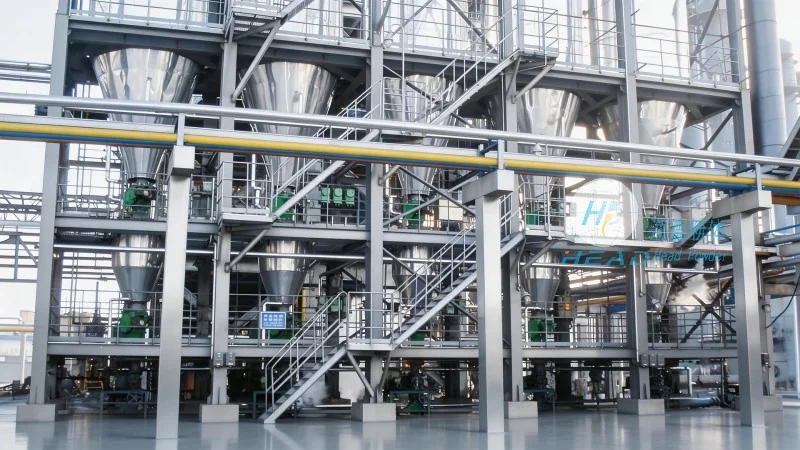
One of the key advantages of dolomite pneumatic conveying systems is their ability to handle large volumes of material with minimal maintenance. The systems are designed for continuous operation, with features such as automatic cleaning and monitoring to prevent system failures. This makes them ideal for high-volume production lines where downtime can result in significant losses. Additionally, the systems are highly flexible, allowing for easy integration into existing production processes and adaptation to changing production needs.
Application Scenarios in Industrial Settings
Dolomite material pneumatic conveying equipment is widely used in various industrial applications, particularly in the cement and steel industries. In cement production, dolomite is used as a raw material to adjust the chemical composition of the cement, improving its strength and durability. The pneumatic conveying system efficiently transports dolomite from storage silos to the cement production line, ensuring a consistent supply of raw material. In the steel industry, dolomite is used as a flux in the smelting process, helping to remove impurities from the metal. The system transports dolomite to the furnace, where it is added to the molten metal, enhancing the quality of the final product.
In addition to these industries, dolomite pneumatic conveying systems are also used in chemical processing and pharmaceutical manufacturing. In chemical plants, dolomite is used as a filler or additive in various products, and the system ensures that it is transported safely and efficiently to the production line. In pharmaceutical manufacturing, the system is used to transport dolomite powder for use in drug formulations, where purity and consistency are critical. The equipment is designed to meet the stringent requirements of these industries, ensuring that the material is handled in a clean and controlled environment.
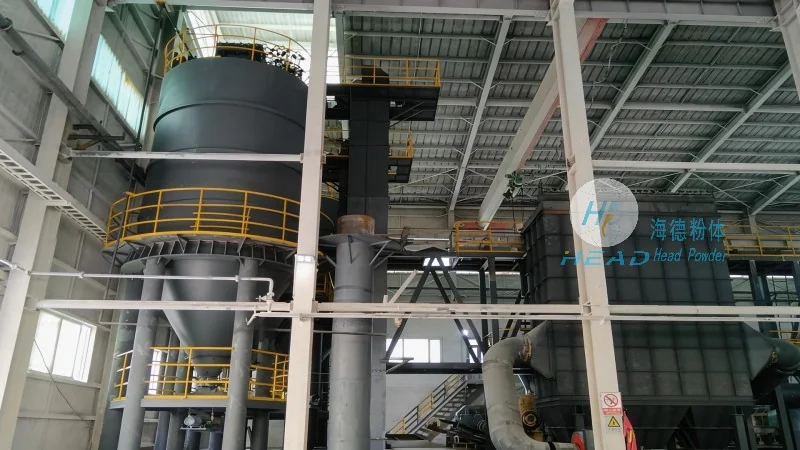
Technical Advantages and Efficiency
The dolomite material pneumatic conveying equipment offers several technical advantages that make it a preferred choice for industrial applications. One of the main advantages is its high conveying efficiency, which allows for the transportation of large volumes of material over long distances with minimal energy consumption. The system uses less energy compared to traditional methods such as belt conveyors or trucks, making it more cost-effective in the long run.
Another advantage is the system's ability to handle a wide range of particle sizes and densities. Dolomite particles can vary in size from fine powders to larger granules, and the system is designed to handle all of these variations without compromising performance. The pipeline design and air flow control ensure that the material is conveyed smoothly and without blockages, even with varying particle characteristics.
The equipment also offers excellent dust control capabilities, which is crucial in industrial environments where dust can be a health hazard or cause equipment damage. The system uses sealed pipelines and proper ventilation to minimize dust emissions, ensuring a safe working environment. This is particularly important in industries where dust can be hazardous to workers or cause product contamination.
Conclusion
HeadPowder's dolomite material pneumatic conveying equipment is a reliable and efficient solution for transporting dolomite powder in various industrial applications. The system's design, based on the principle of pneumatic conveying, ensures high performance and low maintenance costs. With its ability to handle large volumes of material, adapt to different particle sizes, and provide excellent dust control, the equipment is an ideal choice for industries such as cement, steel, and chemical processing. By understanding the principle and working scene characteristics of this equipment, industrial operators can make informed decisions about implementing it in their production processes, ultimately improving efficiency and product quality.