

Principle and Working Scene Characteristics of White Clay Material Pneumatic Conveying Lines
White clay material pneumatic conveying lines are an essential part of modern industrial material handling systems, designed to efficiently transport white clay and similar powders from one location to another. This technology offers a flexible and effective solution for various industrial applications, particularly in the processing and manufacturing sectors. The following content will explore the fundamental principles behind these systems and highlight the key characteristics of their operational scenarios.
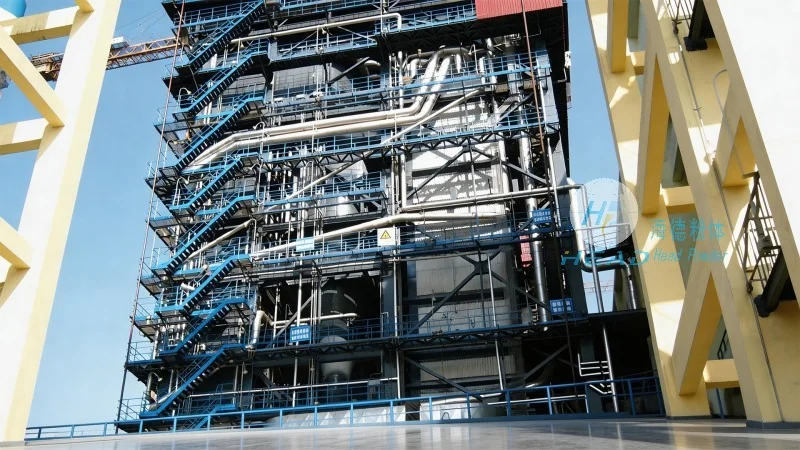
Introduction to White Clay Material Pneumatic Conveying Lines
White clay, also known as kaolin, is a widely used raw material in industries such as papermaking, ceramics, and pharmaceuticals. Its fine particle size and specific physical properties make traditional bulk handling methods less efficient and potentially problematic. Pneumatic conveying lines provide a solution by using air to transport the material, eliminating the need for mechanical components like belts or buckets that can cause contamination or wear. The system typically consists of a hopper, a conveyor line, and a receiver, all connected by a network of pipes and controlled by a central system. This setup allows for precise control over the flow rate and pressure, ensuring consistent and reliable material transport.
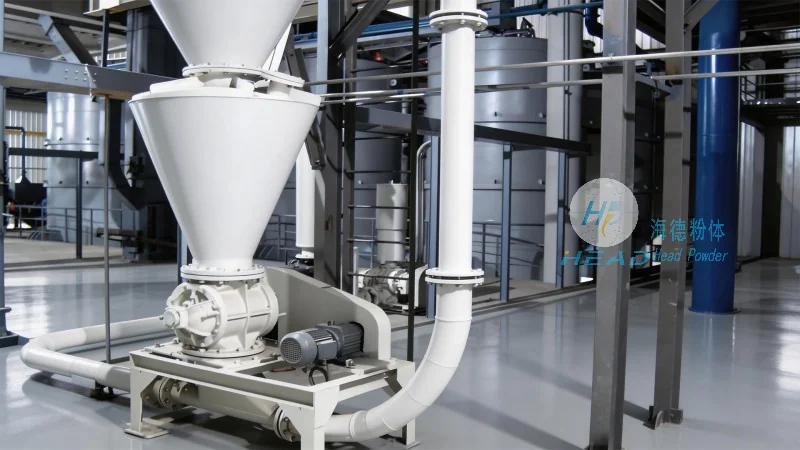
Principle of Pneumatic Conveying for White Clay
The core principle of pneumatic conveying is the use of compressed air to move solid particles through a pipeline. There are two main types of pneumatic conveying systems: positive pressure and negative pressure. Positive pressure systems, also known as pressure or blow-through systems, generate air pressure at the material inlet, pushing the material through the line. Negative pressure systems, or vacuum systems, create a vacuum at the receiver end, drawing the material from the hopper. For white clay, which is often handled in large quantities and requires minimal contamination, positive pressure systems are commonly preferred due to their ability to handle higher material loads and maintain consistent flow rates. The system operates by feeding the white clay into a hopper equipped with a feeder, which then introduces the material into the pipeline. Compressed air is then introduced at the inlet, creating a high-velocity air stream that entrains the clay particles and propels them through the line to the receiver. The air and material mixture is then separated at the receiver, where the air is typically filtered and recycled, while the white clay is collected for further processing.
Key Working Scene Characteristics
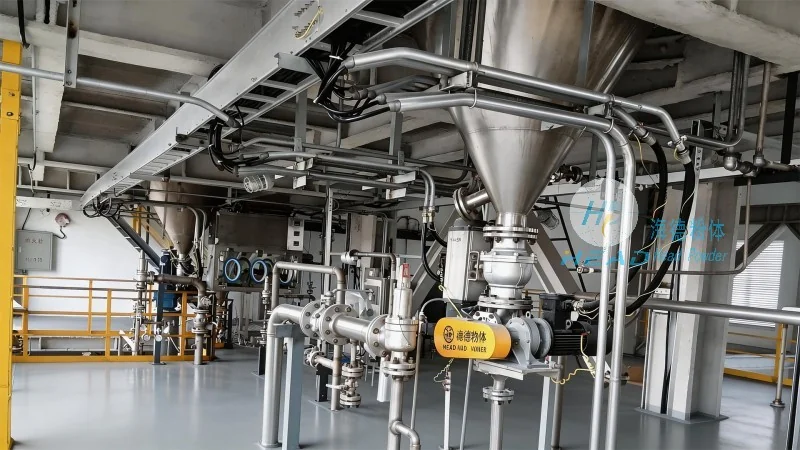
The operational characteristics of white clay material pneumatic conveying lines are tailored to meet the specific demands of different industrial environments. These characteristics include high efficiency, low maintenance, and adaptability to various material properties. One of the primary advantages is the ability to handle fine powders without causing dust or clogging, which is crucial for maintaining product quality and safety standards. The systems are also designed to be flexible, allowing for changes in material flow rates and line configurations without significant modifications. This adaptability makes them suitable for both continuous and batch processing operations. In addition, the enclosed nature of the system minimizes environmental impact by preventing dust emissions and ensuring that the material remains contained throughout the transport process. The control systems used in these lines are often integrated with sensors and automation technology, enabling real-time monitoring of pressure, flow rate, and material level. This allows operators to adjust the system parameters dynamically, optimizing performance and reducing downtime. The working scenes typically involve integration with other processing equipment, such as mixers, dryers, or reactors, where the white clay is used as an ingredient. The lines are often installed in cleanroom environments or areas with strict hygiene requirements, ensuring that the material remains free from contaminants. The design of the conveying lines also considers the specific handling needs of white clay, such as its tendency to agglomerate or clog in certain conditions. Specialized components, like agitators or vibrators, may be incorporated into the system to prevent blockages and maintain smooth operation. The receiver and hopper are often equipped with level sensors and alarms to alert operators of low material levels or system malfunctions, ensuring continuous and reliable operation. The overall working scene is characterized by a combination of efficiency, precision, and safety, making white clay material pneumatic conveying lines a preferred choice for industries that require high-quality material transport.
Company Information and Application
Shandong HeadPowder Engineering Co., Ltd., a leading provider of material handling solutions, specializes in designing and manufacturing white clay material pneumatic conveying lines tailored to the needs of various industries. With a focus on innovation and customer satisfaction, the company has developed advanced systems that combine efficiency with reliability. HeadPowder's expertise lies in understanding the unique properties of white clay and adapting the pneumatic conveying technology to meet specific operational requirements. The company's facilities are located in Shandong, China, where it leverages local resources and expertise to deliver high-quality products. The company's commitment to quality is evident in its adherence to international standards and continuous improvement of its products. By integrating the latest technology and engineering principles, HeadPowder ensures that its pneumatic conveying lines are durable, low-maintenance, and capable of handling the demands of modern industrial processes. The company's products are widely used in paper mills, ceramic factories, and pharmaceutical plants, where the consistent and clean transport of white clay is critical to production efficiency and product quality. The working scene characteristics of these systems, as described above, are directly influenced by the company's design philosophy and manufacturing capabilities. HeadPowder's systems are designed to be scalable, allowing for easy expansion or modification as production needs change. This flexibility is particularly valuable in industries where material volumes or processing requirements may vary over time. The company also provides comprehensive support services, including installation, maintenance, and technical assistance, to ensure that its customers can maximize the performance of their pneumatic conveying lines. By combining technical expertise with customer-centric solutions, Shandong HeadPowder Engineering Co., Ltd. continues to be a trusted partner in the material handling industry, providing reliable and efficient white clay material pneumatic conveying lines for a wide range of applications.