

Principle and Working Scene Characteristics of PVC Material Pneumatic Conveying Lines
HeadPowder, a leading engineering firm based in Shandong, China, specializes in the design and implementation of pneumatic conveying systems tailored for PVC materials. This article explores the fundamental principles behind these systems and highlights the key characteristics of their operational environments.
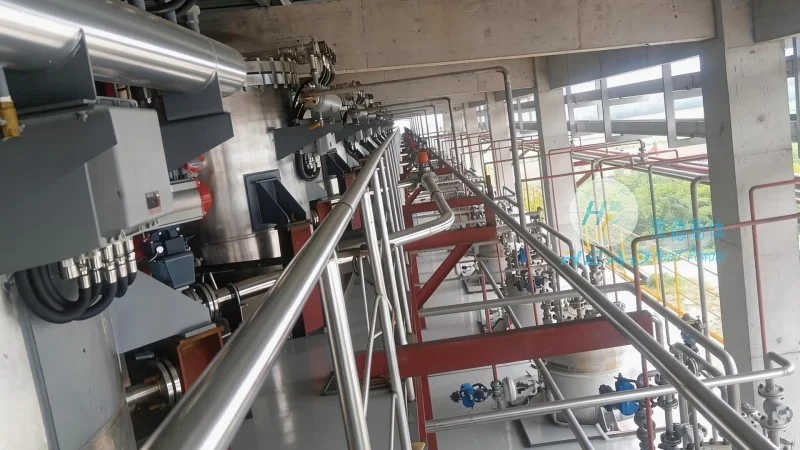
The Principle of Pneumatic Conveying for PVC Materials
Pneumatic conveying systems utilize air or gas as the primary medium to transport bulk materials, such as PVC particles, from one location to another. The core mechanism involves creating a pressure differential between the inlet and outlet of the system. In a typical setup, a blower or compressor generates high-pressure air, which is then introduced into the conveying line. As the air flows through the pipeline, it draws the PVC material into the system via a hopper or feeder. The air velocity is carefully controlled to ensure that the material is carried without excessive wear or degradation. The system can operate in either positive or negative pressure modes, depending on the specific application and material characteristics. Positive pressure systems push the material through the line, while negative pressure systems create a vacuum to pull the material in. For PVC, which is often used in applications requiring precise control over particle size and flow, the choice of pressure mode and air velocity is critical to maintaining material integrity and system efficiency.
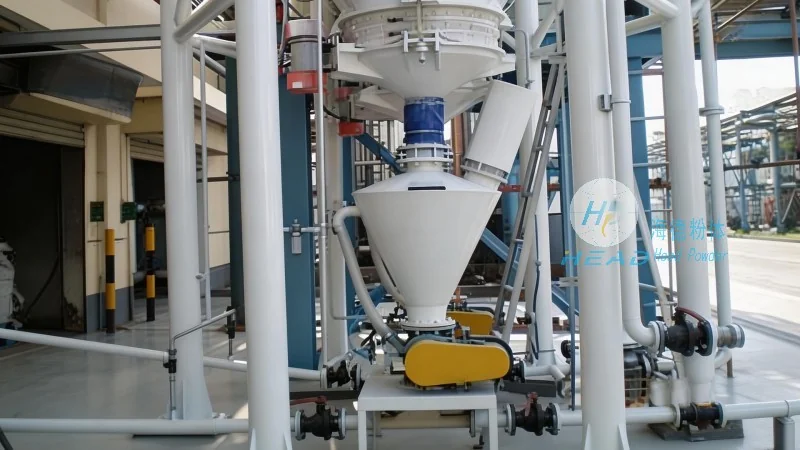
Key Working Scene Characteristics
The operational environments where PVC material pneumatic conveying systems are deployed exhibit distinct characteristics that influence system design and performance. These environments vary widely based on the end-use industry and the specific processing requirements. For instance, in plastic manufacturing facilities, the system may need to handle PVC pellets or powders that are being transferred from storage silos to extrusion or molding equipment. The working scene in such cases involves high-volume, continuous operation with strict requirements for material cleanliness and minimal contamination. The system must be designed to prevent the accumulation of static electricity, as PVC is a conductive material that can pose fire hazards in certain conditions. Additionally, the conveying line must be constructed from materials compatible with PVC, such as stainless steel or specialized plastics, to avoid chemical reactions that could degrade the material or the equipment.
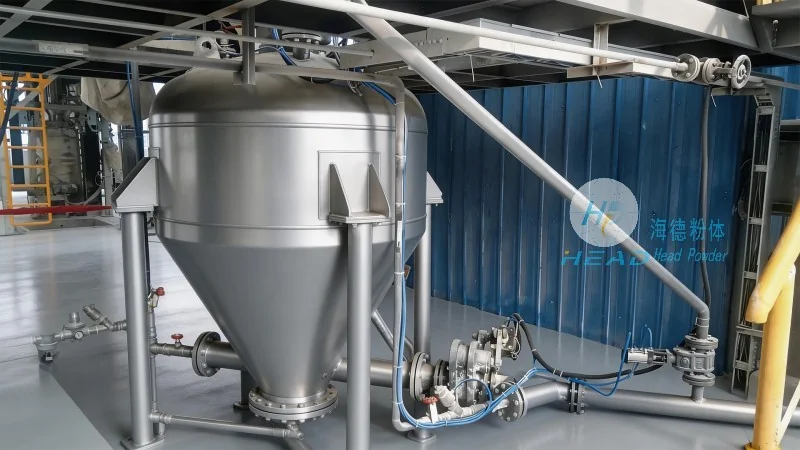
Applications and Industry Integration
PVC material pneumatic conveying systems are integral to several industries, including construction, automotive, and packaging. In the construction sector, these systems are used to transport PVC compounds used in window frames, flooring, and pipe manufacturing. The working scene here often involves large-scale production lines where efficiency and consistency are paramount. The system must be capable of handling varying particle sizes and moisture content, which can affect the conveying efficiency. In the automotive industry, PVC is used in interior components like dashboards and seating, and the conveying system must ensure that the material is free from impurities that could affect the quality of the final product. The integration of these systems into existing production lines requires careful planning to minimize downtime and ensure seamless operation. HeadPowder’s expertise lies in customizing these systems to meet the unique demands of each application, ensuring optimal performance and reliability.
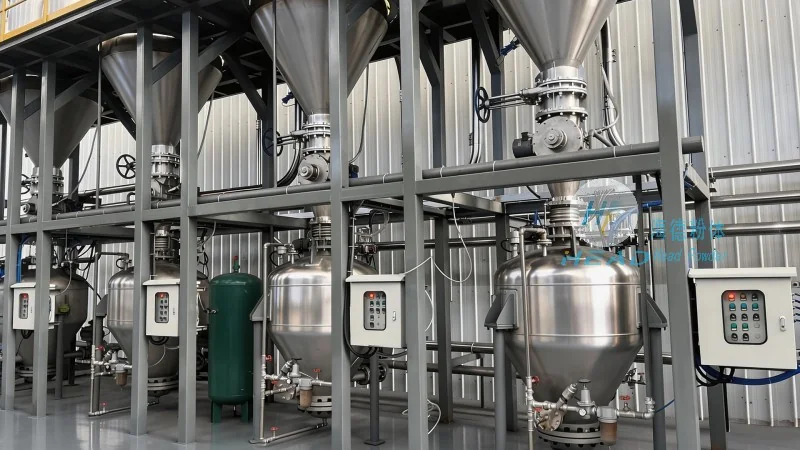
Advantages and Considerations
Implementing a pneumatic conveying system for PVC materials offers several advantages over traditional methods like belt conveyors or bucket elevators. The primary benefit is the ability to handle materials in a closed system, which reduces dust emissions and improves workplace safety. This is particularly important for PVC, which can generate fine particles that are hazardous if inhaled. Additionally, pneumatic systems are more flexible in terms of layout, as they can be installed in complex or confined spaces without the need for extensive structural modifications. However, there are considerations to keep in mind, such as the potential for material degradation due to high air velocities or prolonged exposure to air. Proper system design, including the use of appropriate air filters and moisture control measures, is essential to mitigate these risks. The cost of installation and maintenance should also be factored into the decision-making process, as pneumatic systems can require specialized components and regular maintenance to ensure long-term operation.