

Principle and Working Scene Characteristics of Continuous Material Feeding Pneumatic Conveying Equip
HeadPowder, a leading manufacturer based in Shandong, China, specializes in the design and production of advanced pneumatic conveying systems. This article delves into the fundamental principles and practical application scenarios of continuous material feeding pneumatic conveying equipment, highlighting its technical advantages and operational versatility. The equipment is engineered to facilitate seamless, continuous transfer of bulk materials, addressing the challenges of traditional feeding methods and enhancing overall production efficiency.
The Core Principle of Continuous Material Feeding Pneumatic Conveying
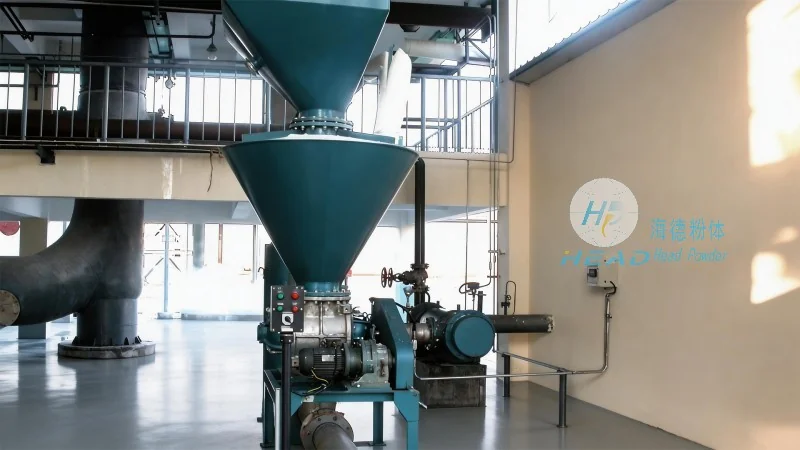
At its core, continuous material feeding pneumatic conveying equipment operates on the principle of air-driven material transport. The system uses compressed air to create a flow within a pipeline, carrying the material from a feeding hopper to a discharge point. This method differs from traditional mechanical conveyors, as it eliminates the need for moving parts in contact with the material, reducing wear and maintenance requirements. The continuous feeding mode ensures a steady supply of material, maintaining consistent pressure and flow rates throughout the process. The equipment can utilize either positive pressure (where air is blown into the pipeline) or negative pressure (where air is drawn out), or a combination of both, depending on the material characteristics and distance of transport. This adaptability allows for the handling of various materials, including fine powders, granules, and even bulk solids, with minimal degradation or loss during transit.
Key Working Scene Characteristics
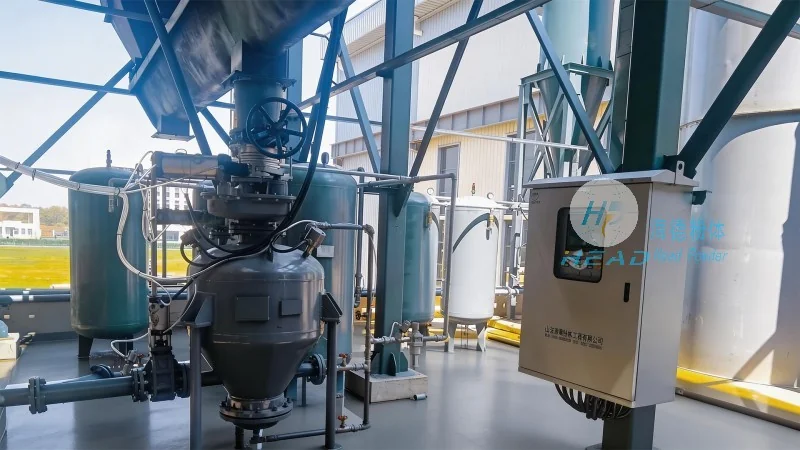
The application of continuous material feeding pneumatic conveying equipment is defined by several key characteristics that enhance operational performance and reliability. Firstly, the continuous feeding mechanism eliminates the need for frequent manual or automated adjustments, reducing downtime and labor costs associated with batch feeding. Secondly, the system’s ability to handle a wide range of materials makes it suitable for diverse industrial processes, such as pharmaceutical manufacturing, food processing, chemical production, and mineral processing. Thirdly, the compact and modular design of the equipment facilitates easy installation and integration into existing production lines, minimizing the need for extensive site modifications or infrastructure changes. Additionally, the enclosed pipeline system prevents dust emissions and contamination, ensuring compliance with environmental regulations and maintaining product quality. These features collectively contribute to improved operational efficiency, reduced maintenance, and enhanced safety in various industrial settings.
Technical Advantages in Industrial Applications
Continuous material feeding pneumatic conveying equipment offers several technical advantages that make it a preferred choice in modern industrial environments. The consistent material flow ensures stable production rates, which is critical for maintaining quality control and meeting customer demand in high-volume production scenarios. The system’s ability to handle abrasive or corrosive materials without significant wear and tear extends the equipment’s service life and reduces replacement costs over time. Furthermore, the energy-efficient operation of the equipment, particularly when optimized for specific material and distance requirements, contributes to lower operational costs and reduced environmental impact. The enclosed design also minimizes the risk of material spillage or contamination, enhancing workplace safety and product integrity. These advantages collectively lead to improved productivity, cost savings, and sustainability in various industries.

Conclusion and Company Overview
Continuous material feeding pneumatic conveying equipment represents a sophisticated and efficient solution for bulk material handling in modern industries. With its robust design, versatile application capabilities, and energy-efficient operation, this technology addresses the challenges of traditional feeding methods and enhances overall production efficiency. HeadPowder Engineering Co., Ltd., based in Shandong, China, continues to innovate and refine these systems to meet the evolving needs of global industries, providing reliable and high-performance solutions for material transfer challenges. The company’s commitment to quality, innovation, and customer satisfaction ensures that its products remain at the forefront of pneumatic conveying technology, supporting the growth and success of its clients in various sectors.