

Principles and Working Scene Characteristics of Rapid Material Loading Pneumatic Conveying
For industrial operations that demand efficient material handling, pneumatic conveying systems offer a versatile solution for rapid material loading. This article explores the fundamental principles behind pneumatic conveying technology and highlights the key characteristics of its application in various working scenarios, with a focus on the expertise of Shandong HeadPowder Engineering Co., Ltd. (commonly known as HeadPowder).
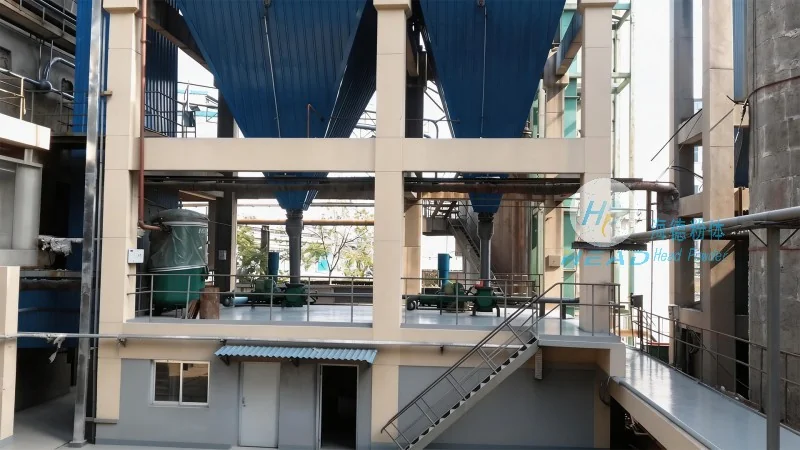
Understanding Pneumatic Conveying: The Core Principles
Pneumatic conveying, also known as air conveying, is a method of transporting bulk materials through a pipeline using air or gas as the conveying medium. The process typically involves creating a pressure differential between the inlet and outlet of the system, which propels the material along the pipeline. There are two primary types of pneumatic conveying systems: aspiration (or vacuum) systems and pressure systems. Aspiration systems use a vacuum to draw material from a hopper or storage area into the pipeline, while pressure systems use compressed air to push material through the system. The choice between these systems depends on factors such as material properties, distance, and the need for dust control. In the context of rapid material loading, the efficiency of these systems is critical, as they can significantly reduce handling time and labor costs.
Key Working Scene Characteristics of Rapid Material Loading Pneumatic Conveying
The application of pneumatic conveying for rapid material loading exhibits several distinct characteristics that make it suitable for a wide range of industrial processes. First, the system's ability to handle a variety of materials, including powders, granules, and small particles, without the need for mechanical components like belts or buckets, minimizes maintenance and operational downtime. Second, the compact design of pneumatic conveying systems allows for integration into existing production lines, optimizing space utilization in manufacturing facilities. Third, the system's flexibility in conveying materials over long distances or to multiple destinations enables seamless material flow between different stages of production. Additionally, the enclosed nature of the conveying process reduces dust emissions and improves workplace safety, which is particularly important in industries such as food processing and pharmaceutical manufacturing. These characteristics collectively contribute to the system's effectiveness in achieving rapid and reliable material loading.
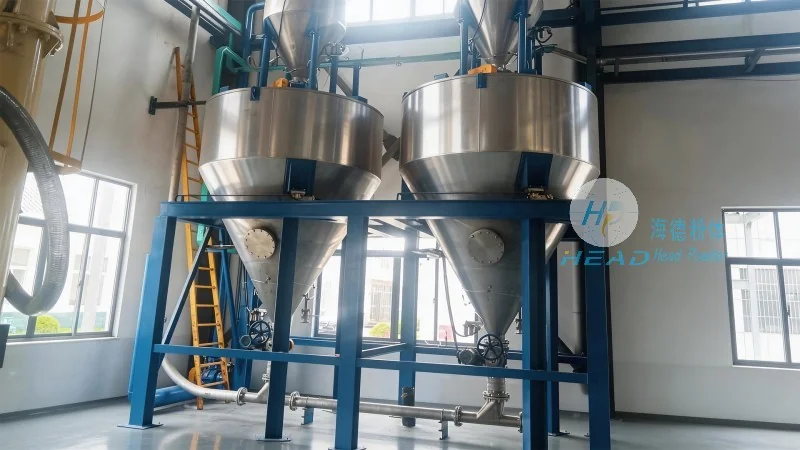
Case Studies and Industry Applications
Shandong HeadPowder Engineering Co., Ltd. has extensive experience in implementing pneumatic conveying solutions for rapid material loading across diverse industries. For example, in the chemical industry, the company has designed systems that efficiently transport raw materials such as powders and granules from storage silos to processing units, ensuring a continuous supply of materials without interruptions. In the food industry, HeadPowder has developed systems that meet stringent hygiene standards, using stainless steel components and sealed pipelines to prevent contamination. The company's expertise also extends to the pharmaceutical sector, where precise control over material flow is essential for maintaining product quality and regulatory compliance. These case studies demonstrate the adaptability of pneumatic conveying systems to meet the specific requirements of different industries, making them a preferred choice for rapid material loading.
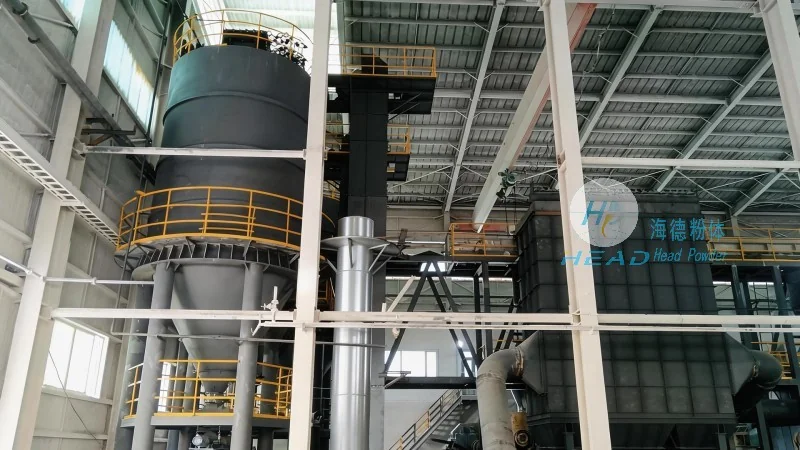
Technical Advantages and Performance Metrics
The performance of rapid material loading pneumatic conveying systems is influenced by several technical factors, including the system's capacity, pressure drop, and energy efficiency. The capacity of a pneumatic conveying system is determined by the volume of material that can be transported per unit time, which is influenced by the size of the pipeline, the air velocity, and the material's bulk density. A well-designed system can achieve high capacities while maintaining low pressure drops, reducing energy consumption. Energy efficiency is a critical consideration for industrial operations, as it directly impacts operational costs. Shandong HeadPowder Engineering Co., Ltd. employs advanced engineering techniques to optimize system performance, ensuring that clients achieve maximum efficiency and minimal energy waste. Additionally, the system's reliability is enhanced through the use of durable materials and regular maintenance protocols, minimizing the risk of downtime and ensuring consistent material flow.
Conclusion and Future Outlook
In conclusion, pneumatic conveying systems for rapid material loading offer significant advantages in terms of efficiency, flexibility, and safety. The principles of pneumatic conveying, combined with the working scene characteristics of these systems, make them an ideal solution for industrial material handling. Shandong HeadPowder Engineering Co., Ltd. has established itself as a leading provider of pneumatic conveying solutions, with a strong commitment to delivering high-quality, customized systems that meet the unique needs of its clients. As industrial demands continue to evolve, the importance of efficient material handling will only increase, and pneumatic conveying systems will remain a vital component of modern manufacturing processes. The company's expertise and experience ensure that clients can rely on reliable and effective solutions for their material loading needs, contributing to improved productivity and operational success.