

[Wool Material Conveying Line: Principles and Operational Scenario Characteristics]
Welcome to the world of efficient wool material handling solutions. At Shandong HeadPowder Engineering Co., Ltd., we specialize in designing and manufacturing advanced wool material conveying lines that optimize workflow and enhance productivity in various industrial settings. This article explores the fundamental principles behind these systems and highlights the key characteristics that make them ideal for specific operational scenarios.
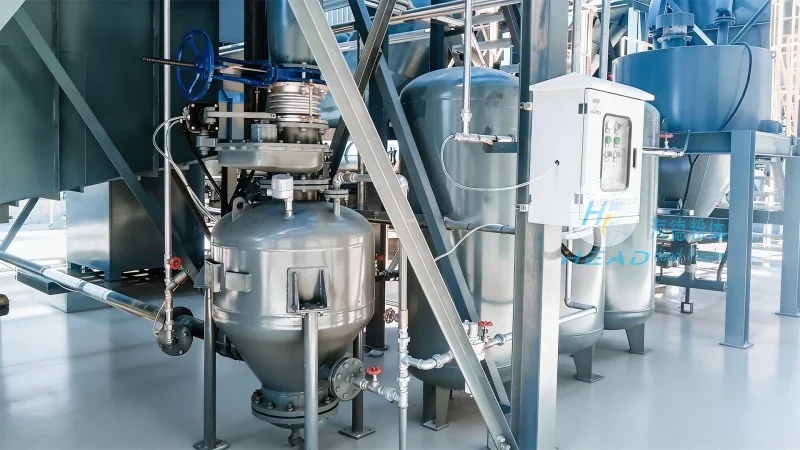
Understanding the Core Principles of Wool Material Conveying Lines
The wool material conveying line is a sophisticated system engineered to transport wool fibers and related materials with precision and reliability. At its heart, the system comprises several critical components, each playing a vital role in the overall operation. The primary components include a conveyor belt or roller system that provides the mechanical force to move the wool, a control unit that regulates speed and direction, and a series of sensors or detectors that ensure smooth and safe operation. The design of these components is tailored to handle the unique properties of wool, such as its soft texture, varying density, and potential for static buildup. By integrating advanced materials and engineering techniques, the conveying line minimizes friction and ensures minimal damage to the wool fibers during transport.
Key Working Scene Characteristics of Wool Material Conveying Lines
The effectiveness of a wool material conveying line is heavily influenced by the specific working environment in which it operates. Different industrial applications demand tailored solutions, and the characteristics of the line adapt to meet these needs. For instance, in a large-scale wool processing factory, the conveying line may feature a high-capacity design with multiple parallel belts to handle large volumes of raw wool efficiently. This setup ensures that the material is moved from storage to processing areas without bottlenecks, maintaining a steady production flow. In contrast, in smaller-scale operations, a more compact and flexible conveying line might be employed, allowing for easier integration into existing facilities and adaptability to changing production requirements.
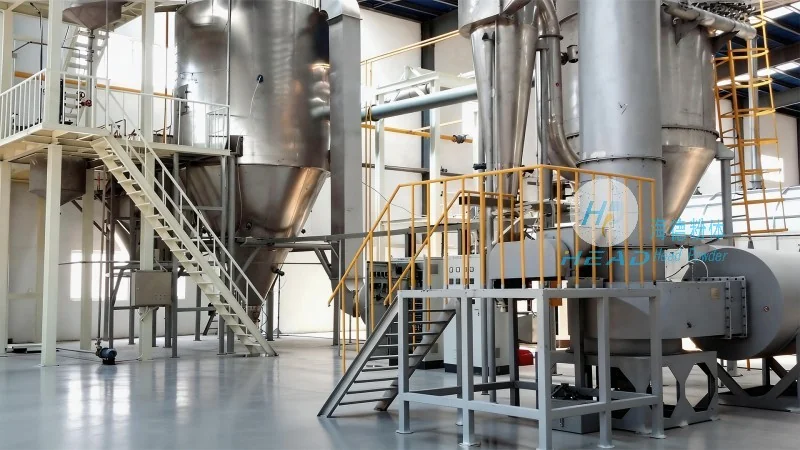
Another critical characteristic is the system's ability to handle different types of wool materials, including raw wool, processed fibers, and byproducts. The conveying line is equipped with adjustable settings that allow operators to modify the speed, tension, and angle of the conveyor to accommodate various material types. This flexibility ensures that the system can seamlessly transition between different stages of the wool processing workflow, such as from bale handling to sorting and cleaning. Additionally, the system incorporates safety features, such as emergency stop buttons and overload protection, to prevent accidents and protect both the equipment and the operators. These features are particularly important in environments where wool handling involves manual intervention or where the material may pose a risk of entanglement.
Operational Efficiency and Maintenance Considerations
One of the most significant advantages of modern wool material conveying lines is their emphasis on operational efficiency. The systems are designed to minimize downtime and maximize throughput, which directly impacts the overall productivity of the wool processing facility. Advanced control systems enable real-time monitoring of the conveyor's performance, allowing for immediate adjustments if any issues arise. This proactive approach to maintenance helps prevent unexpected breakdowns and reduces the need for extensive repairs. Furthermore, the use of durable materials, such as stainless steel and high-quality rubber, ensures that the conveying line can withstand the rigors of continuous operation in a wool processing environment. Regular maintenance, including cleaning and lubrication of moving parts, is essential to maintain the system's efficiency and longevity.
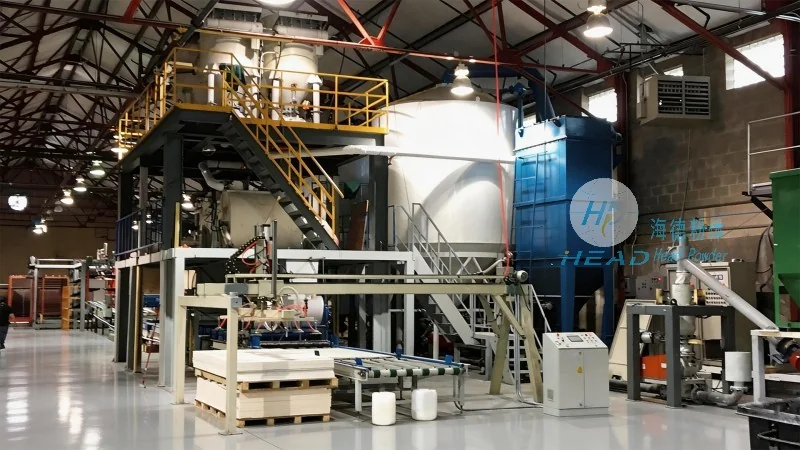
Application in Different Industrial Settings
The versatility of wool material conveying lines makes them suitable for a wide range of industrial applications. In textile mills, these systems are commonly used to transport wool from storage bales to the carding and spinning machines. The ability to handle large volumes of material quickly and accurately reduces the time required for material handling, allowing the production line to operate at optimal speeds. In wool sorting and grading facilities, the conveying line plays a crucial role in moving sorted fibers to different processing stages. The system's ability to sort and transport materials based on specific characteristics, such as fiber length and color, enhances the quality control process. Additionally, in agricultural and livestock processing operations, the conveying line may be used to transport wool from shearing stations to storage areas, improving the overall logistics of the operation.
Conclusion: The Role of Wool Material Conveying Lines in Modern Wool Processing
In conclusion, the wool material conveying line is a vital component of modern wool processing operations. By understanding the core principles and working scene characteristics of these systems, manufacturers can optimize their workflow and enhance productivity. The advanced design and flexibility of these conveying lines make them an essential investment for any wool processing facility. At Shandong HeadPowder Engineering Co., Ltd., we are committed to providing high-quality, reliable wool material conveying lines that meet the specific needs of our clients. Our expertise in engineering and manufacturing ensures that our systems are tailored to deliver the best possible performance in various operational scenarios. Whether you are a large-scale textile manufacturer or a small-scale wool processing operation, our conveying lines offer the efficiency and reliability needed to streamline your workflow and improve your bottom line.