

Principle and Working Scene Characteristics of Carbon Fiber Powder Conveying System Equipment
Carbon fiber powder, as a high-performance material with excellent mechanical properties and thermal stability, is widely used in aerospace, automotive, and sports equipment manufacturing. However, the unique properties of carbon fiber powder, such as its high specific gravity, low bulk density, and tendency to form electrostatic charges, pose significant challenges for traditional powder handling and conveying systems. To address these challenges, advanced carbon fiber powder conveying systems have been developed, integrating innovative technologies to ensure efficient, safe, and reliable material transport. Such systems are typically engineered by Shandong HeadPowder Engineering Co., Ltd. (headpowder), a leading provider of specialized powder handling solutions, with a focus on meeting the demanding requirements of modern industrial applications.
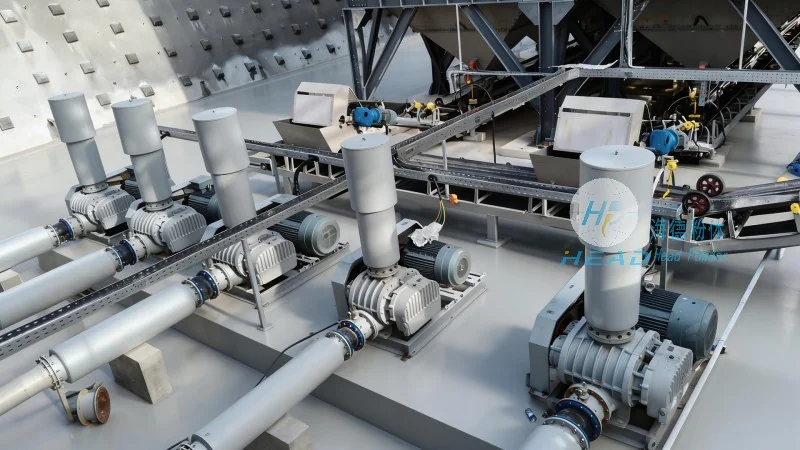
Introduction to Carbon Fiber Powder Conveying Systems
Carbon fiber powder conveying systems are engineered to handle the specialized demands of carbon fiber material processing. Unlike conventional powders, carbon fiber powder exhibits high abrasiveness and can generate static electricity during handling, which may lead to material agglomeration or equipment damage. Therefore, these systems incorporate features like anti-static measures, wear-resistant components, and precise control mechanisms to maintain optimal performance. The core components typically include feeders, conveyors, dust collection units, and control panels, all designed to work in harmony to ensure seamless material flow from storage to processing equipment.
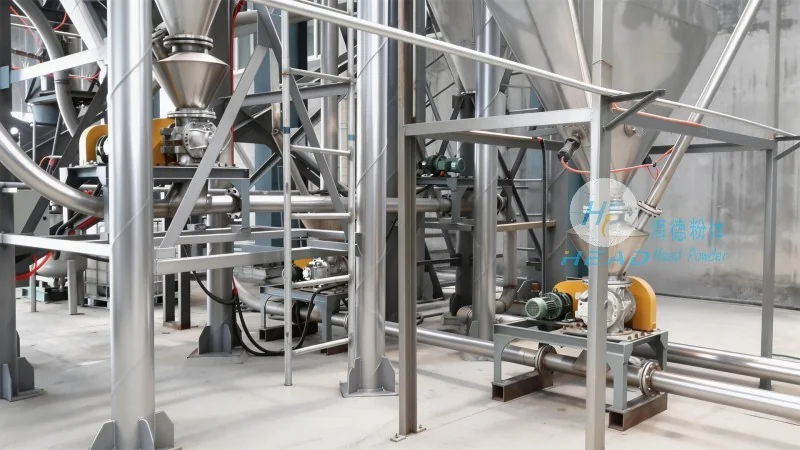
Principle of Operation for Carbon Fiber Powder Conveying Systems
The operation of a carbon fiber powder conveying system is based on the principles of pneumatic or mechanical conveying, depending on the specific design and application requirements. Pneumatic conveying systems utilize compressed air to transport powder particles through a network of pipes, while mechanical systems rely on screw conveyors, belt conveyors, or vibratory conveyors to move the material. In many advanced systems, a combination of both approaches is employed to leverage the strengths of each method. For instance, a pneumatic conveying system may be used for long-distance transport, while a mechanical conveyor handles short-distance or bulk material transfer. The system's control system monitors parameters such as air pressure, flow rate, and material level, adjusting operations in real-time to prevent blockages or overloading. Additionally, anti-static devices, such as ionizers or grounding straps, are integrated to neutralize static charges, ensuring safe and efficient material handling.
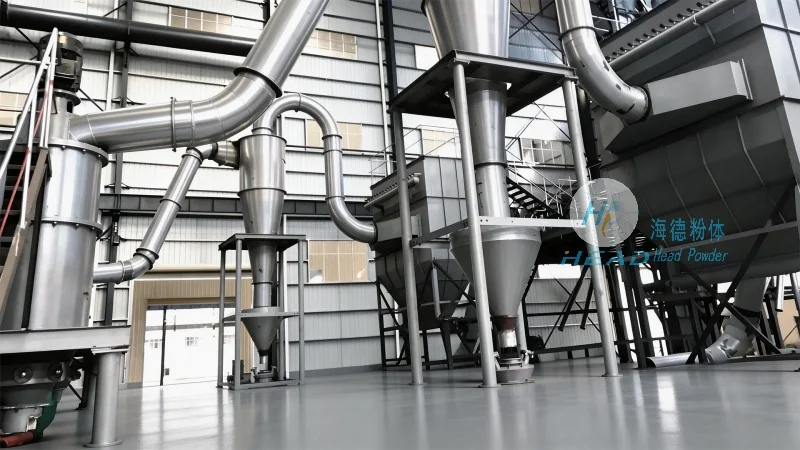
Key Working Scene Characteristics
The working scene characteristics of carbon fiber powder conveying systems are tailored to the specific needs of industrial applications. These systems are designed to operate in environments where precision and reliability are critical. For example, in aerospace manufacturing, the system must handle fine carbon fiber powders with high accuracy to ensure the quality of composite parts. In automotive applications, the system may need to transport larger batches of powder for bulk production, requiring robust and high-capacity components. The systems are also adapted to different production scales, from small-scale laboratory applications to large-scale industrial manufacturing lines. This adaptability makes them suitable for various working environments, including cleanrooms, where contamination control is essential. Furthermore, the systems are designed for easy maintenance and cleaning, with components that can be quickly disassembled and reassembled to minimize downtime. The integration of sensors and automation technologies enhances operational efficiency and reduces the risk of human error.
Application Scenarios and Industry Impact
Carbon fiber powder conveying systems are widely used in industries where carbon fiber composites are essential. In the aerospace industry, these systems facilitate the transport of carbon fiber powders to high-precision molding equipment, enabling the production of lightweight and strong aircraft components. In the automotive sector, they support the manufacturing of carbon fiber reinforced parts, contributing to the development of more fuel-efficient and durable vehicles. The systems also play a crucial role in sports equipment manufacturing, where carbon fiber powders are used to create lightweight and high-performance products like tennis rackets and bicycle frames. By ensuring consistent and reliable material transport, these systems enhance the overall productivity and quality of carbon fiber composite production. The ability to handle fine powders with minimal loss and contamination is particularly valuable in industries where material quality directly impacts product performance and safety.
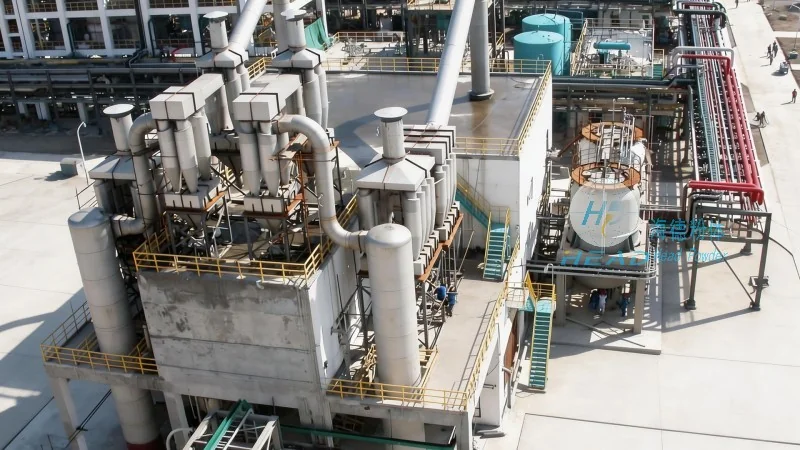
Conclusion
Carbon fiber powder conveying systems represent a significant advancement in material handling technology, addressing the unique challenges posed by carbon fiber powders. By integrating innovative design principles and advanced control systems, these systems provide efficient, safe, and reliable transport solutions for industrial applications. The working scene characteristics, tailored to specific industry needs, ensure optimal performance across various production scales and environments. As the demand for carbon fiber composites continues to grow, the importance of such systems in maintaining production efficiency and product quality will only increase. For companies operating in the carbon fiber industry, investing in advanced conveying systems is essential to stay competitive and meet the evolving demands of the market.