

Principle and Working Scene Characteristics of Positive Pressure Blowing Type Pneumatic Conveying Sy
Positive pressure blowing type pneumatic conveying systems represent a sophisticated solution for material handling, particularly in industries requiring efficient and reliable transport of bulk materials. This technology is designed to move powders and granules through a closed pipeline using compressed air as the primary driving force. The system operates by generating a positive pressure within the conveying line, which propels the material from the source to the destination. This approach offers several advantages over traditional suction systems, including higher conveying capacity, reduced material degradation, and improved control over the material flow.
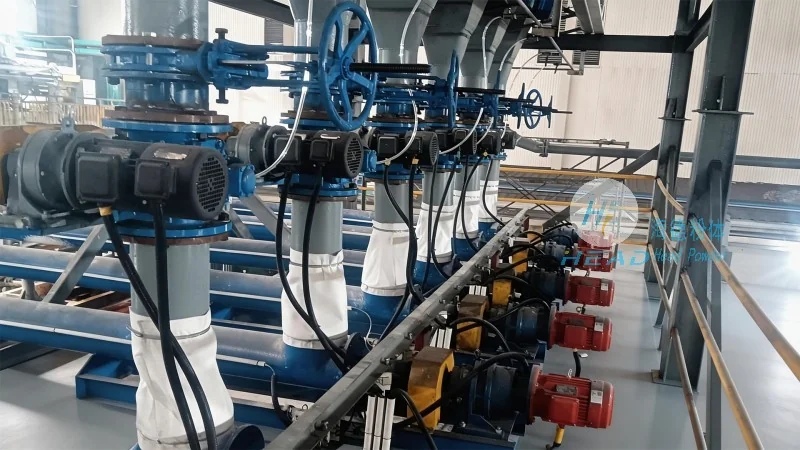
Principle of Operation
The core principle of a positive pressure blowing type pneumatic conveying system is the generation of a high-pressure air stream that transports the material particles. The system typically consists of a blower, a hopper or feeder, a conveying line, and a receiver. The blower supplies compressed air, which is introduced into the conveying line at a high velocity. As the air flows through the line, it entrains the material particles, forming a dense mixture known as a "pneumatic slurry." The pressure differential between the source and the destination ensures that the material is continuously moved along the pipeline. The system can be configured in various modes, such as dilute phase or dense phase, depending on the material characteristics and required conveying distance.
Key Components and Their Functions
Several critical components contribute to the effective operation of a positive pressure blowing type pneumatic conveying system. The blower is the heart of the system, providing the necessary compressed air. It can be a centrifugal or positive displacement type, chosen based on the system's capacity and pressure requirements. The hopper or feeder is responsible for feeding the material into the conveying line, ensuring a consistent flow rate. The conveying line, usually made of stainless steel or other corrosion-resistant materials, is designed to withstand the high-pressure air and the abrasive nature of the material. The receiver is where the material is deposited, often equipped with a dust collection system to prevent environmental contamination. Additionally, the system may include valves, filters, and pressure regulators to control the flow and maintain system efficiency.
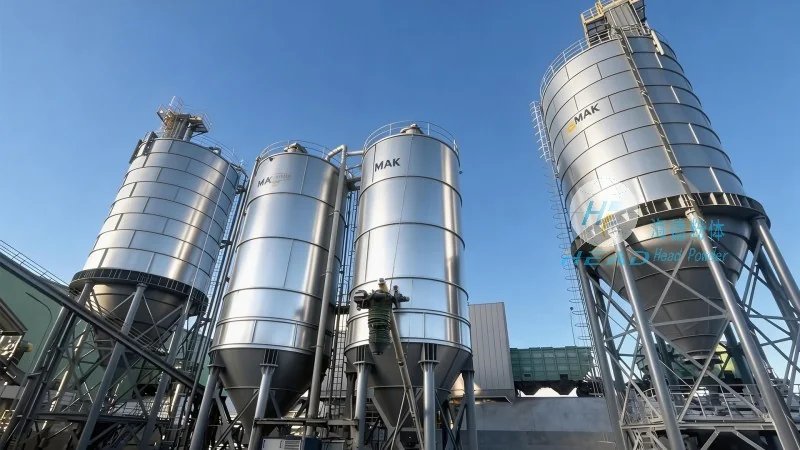
Working Scene Characteristics and Applications
The working scene characteristics of positive pressure blowing type pneumatic conveying systems are tailored to meet the demands of various industrial applications. These systems are commonly used in industries such as pharmaceuticals, food processing, chemicals, and minerals. The key characteristics include high conveying efficiency, minimal material degradation, and the ability to handle a wide range of particle sizes and densities. For example, in the pharmaceutical industry, where product purity is paramount, the positive pressure system ensures that the material is transported without contamination or degradation. In food processing, the system can handle sensitive products like powders and granules while maintaining hygiene standards. The dense phase conveying mode is particularly useful for transporting abrasive or sticky materials, as it reduces the impact on the pipeline and the material.
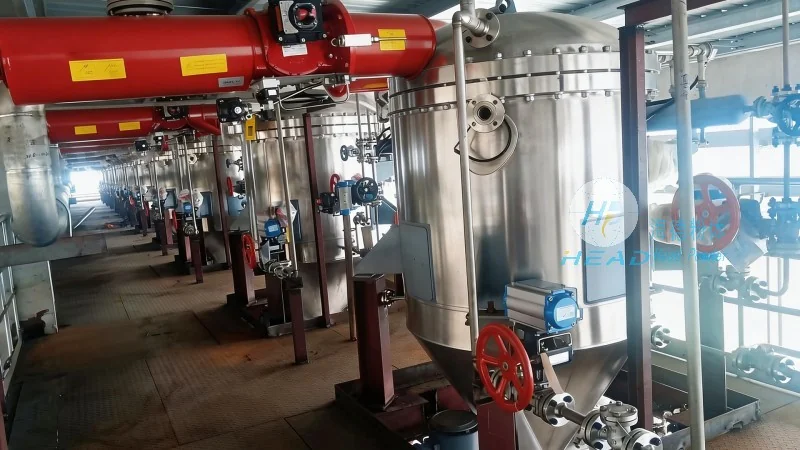
Advantages Over Other Conveying Methods
Compared to traditional suction systems or mechanical conveyors, positive pressure blowing type pneumatic conveying systems offer several distinct advantages. The primary advantage is the higher conveying capacity, which allows for the transport of larger quantities of material over longer distances. The system also provides better control over the material flow, enabling precise regulation of the conveying rate. Additionally, the positive pressure operation reduces the risk of material leakage and environmental contamination, making it suitable for applications where dust control is critical. The system's flexibility allows for easy integration with existing production lines, and it can be adapted to handle different materials and conveying requirements. Furthermore, the lack of moving parts in the conveying line reduces maintenance requirements and extends the system's lifespan.
Considerations for System Design and Installation
When designing and installing a positive pressure blowing type pneumatic conveying system, several factors must be considered to ensure optimal performance. The system's capacity and pressure requirements must be determined based on the material characteristics, such as particle size, density, and moisture content. The conveying distance and elevation changes also play a crucial role in system design. The choice of blower type and size is critical, as it directly impacts the system's efficiency and energy consumption. The material of construction for the conveying line and components must be selected to withstand the corrosive or abrasive nature of the material being transported. Proper installation, including the alignment of the conveying line and the positioning of the hopper and receiver, is essential to prevent blockages and ensure smooth operation. Regular maintenance, including cleaning of filters and checking for air leaks, is necessary to maintain the system's performance and longevity.