

Principles and Working Scene Characteristics of Gypsum Particle Pneumatic Conveying
HeadPowder, a leading provider in the field of material handling solutions, specializes in the design and implementation of pneumatic conveying systems for gypsum particles. This article delves into the fundamental principles behind gypsum particle pneumatic conveying and highlights the key characteristics of its operational environments.
Introduction to Gypsum Particle Pneumatic Conveying
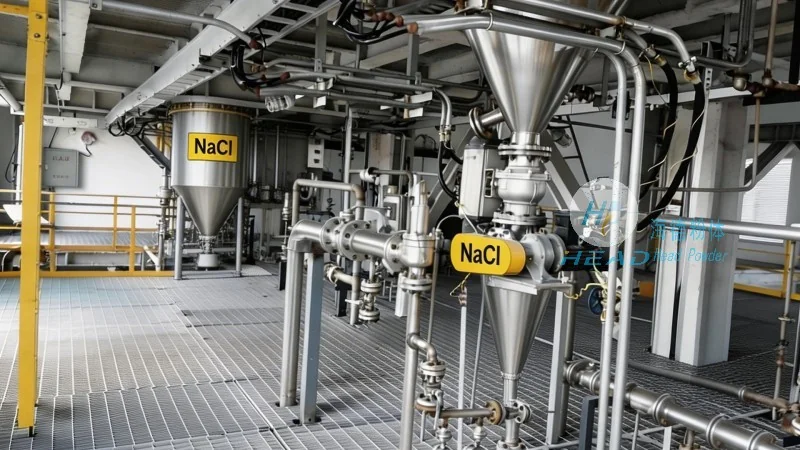
Gypsum particle pneumatic conveying is a method of transporting dry, granular materials like gypsum through a pipeline using a stream of air or gas. The process involves creating a pressure differential within the system, which propels the particles forward. This technology offers several advantages over traditional mechanical conveying methods, including reduced equipment wear, lower maintenance costs, and the ability to handle materials in a dust-free environment.
Core Principles of Pneumatic Conveying for Gypsum
The operation of a gypsum particle pneumatic conveying system is governed by several key principles. First, the system relies on the creation of a vacuum or pressure to move the material. In a vacuum system, air is drawn through the pipeline, pulling the gypsum particles along with it. In a pressure system, compressed air forces the material through the line. The design of the system, including the size and shape of the particles, the air velocity, and the pipeline layout, all play critical roles in ensuring efficient and reliable transport.
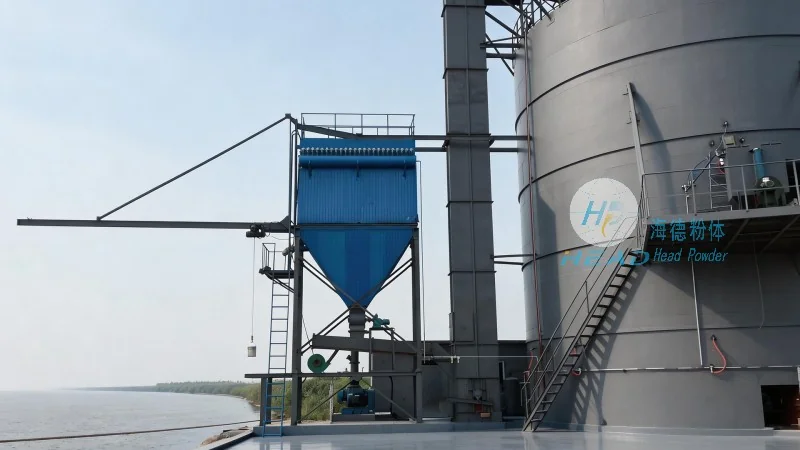
Another crucial principle is the balance between the air flow rate and the material feed rate. If the air velocity is too low, the gypsum particles may settle and cause blockages. Conversely, if the velocity is too high, excessive wear on the equipment and energy consumption may occur. Optimizing this balance is essential for maintaining consistent performance and minimizing operational issues.
Working Scene Characteristics of Gypsum Particle Pneumatic Conveying
The working scene characteristics of gypsum particle pneumatic conveying systems vary based on the specific application and the environment in which they are used. For instance, in industrial settings such as cement plants or gypsum board manufacturing facilities, these systems are often integrated into larger production lines. The operational environment may involve high volumes of material, requiring robust and high-capacity conveying solutions.
In such industrial applications, the system must be capable of handling varying particle sizes and moisture content. Gypsum particles can range from fine powders to larger granules, and the conveying system must be designed to accommodate these variations without compromising efficiency. Additionally, the system may need to operate in environments with specific temperature or humidity conditions, which can affect the material's properties and the system's performance.
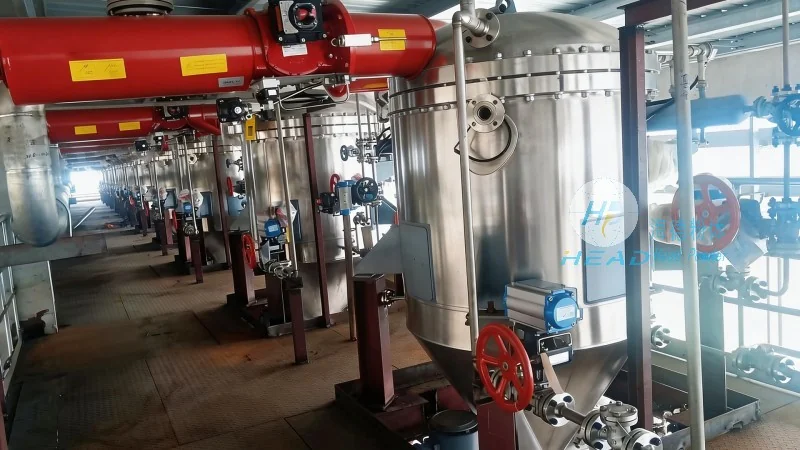
Another characteristic of the working scene is the need for flexibility and adaptability. Gypsum particle pneumatic conveying systems are often used in processes where the material flow rate or destination may change. The ability to adjust the system's parameters, such as air pressure or flow rate, allows for seamless integration into dynamic production environments. This adaptability is a key advantage of pneumatic conveying systems over fixed mechanical conveyors.
Applications and Benefits in Industrial Settings
Gypsum particle pneumatic conveying systems are widely used in various industrial applications due to their efficiency and reliability. In the construction materials industry, these systems are essential for transporting raw gypsum from storage to processing facilities. The ability to handle large quantities of material in a controlled manner ensures smooth production workflows.
Furthermore, the systems offer several benefits that enhance operational efficiency. By eliminating the need for manual handling and reducing the risk of material contamination, pneumatic conveying systems improve product quality and safety. The dust-free operation also contributes to a healthier working environment, reducing the risk of respiratory issues for workers.
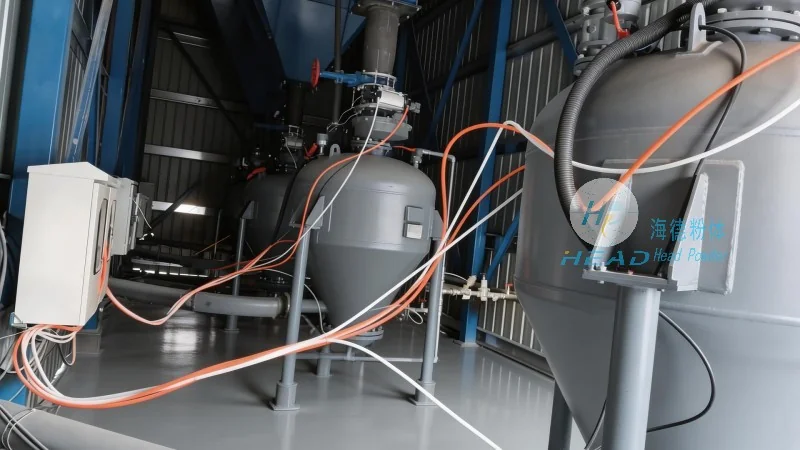
From a cost perspective, the long-term benefits of pneumatic conveying systems often outweigh the initial investment. Lower maintenance costs, reduced equipment wear, and increased productivity contribute to overall operational savings. The systems are also designed for durability, with components that can withstand the abrasive nature of gypsum particles, ensuring a long service life.
Conclusion
HeadPowder's expertise in gypsum particle pneumatic conveying systems is built on a deep understanding of the principles and operational characteristics of these technologies. By leveraging advanced engineering and design, the company provides customized solutions that meet the specific needs of industrial applications. Whether in cement production, gypsum board manufacturing, or other material handling processes, the company's systems offer reliable, efficient, and cost-effective material transport solutions.