

Working Principle and Features of a Pneumatic Conveyor for Zinc Calcine Material
HeadPowder, a leading engineering firm based in Shandong, China, specializes in the design and manufacturing of advanced pneumatic conveying systems tailored for industrial applications, including the efficient handling of zinc calcine material. This article delves into the working principle and key features of a pneumatic conveyor specifically engineered for zinc calcine, offering insights into its operational efficiency and technical advantages.
Working Principle of the Zinc Calcine Pneumatic Conveyor
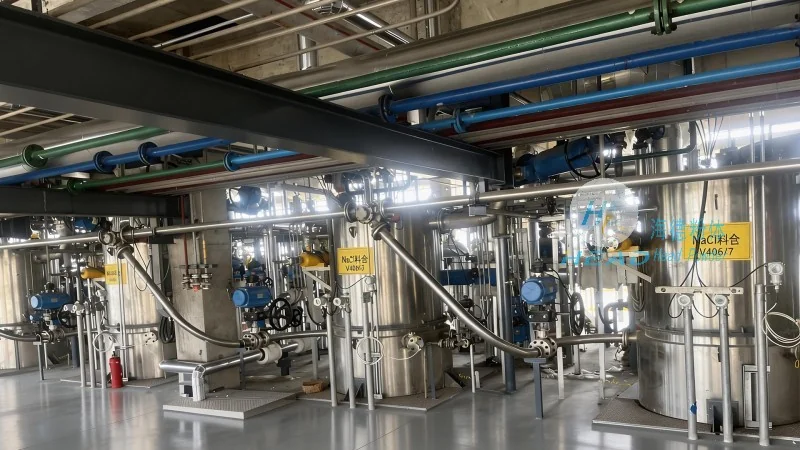
The pneumatic conveyor for zinc calcine operates on the fundamental principle of using air or gas as the medium to transport bulk materials through a pipeline system. The process typically involves several key components and stages that work in tandem to ensure smooth and reliable material transfer. First, the zinc calcine material is fed into the conveyor's inlet hopper, where it is then introduced into a high-pressure air stream. This air stream, generated by a powerful blower or fan, creates a pressure differential that propels the material particles forward through the pipeline. The material is carried in the form of a dilute or dense phase, depending on the system design and operational parameters. The dilute phase system, where material particles are suspended in the air stream, is commonly used for longer distances and higher material throughput, while the dense phase system, which involves a higher material concentration in the air stream, is preferred for shorter distances or when handling more abrasive materials to minimize wear on the system components.
Inside the pipeline, the zinc calcine particles are continuously propelled by the moving air, moving from the inlet to the discharge point. The system incorporates various components such as the inlet feeder, the air compressor or blower, the pipeline network, and the discharge valve or hopper. The inlet feeder ensures a consistent and controlled flow of zinc calcine into the system, preventing blockages and maintaining a steady material feed rate. The air compressor provides the necessary pressure and volume of air to move the material, with adjustable settings to optimize performance based on the material characteristics and system requirements. The pipeline network, constructed from durable materials like stainless steel or high-grade plastic, is designed to withstand the abrasive nature of zinc calcine and the pressure exerted by the air stream. The discharge valve or hopper at the end of the pipeline allows for controlled release of the material, ensuring it is delivered to the intended destination without spillage or loss.
Key Features of the Zinc Calcine Pneumatic Conveyor
The pneumatic conveyor for zinc calcine material is equipped with several distinctive features that enhance its performance, reliability, and adaptability in industrial settings. One of the primary features is its ability to handle abrasive and high-density materials like zinc calcine without significant wear or degradation of the system components. The use of high-quality, corrosion-resistant materials in the construction of the pipeline and other components ensures long-term durability and minimal maintenance requirements. Additionally, the system is designed for easy integration into existing industrial processes, with modular components that can be customized to fit specific operational needs and space constraints.
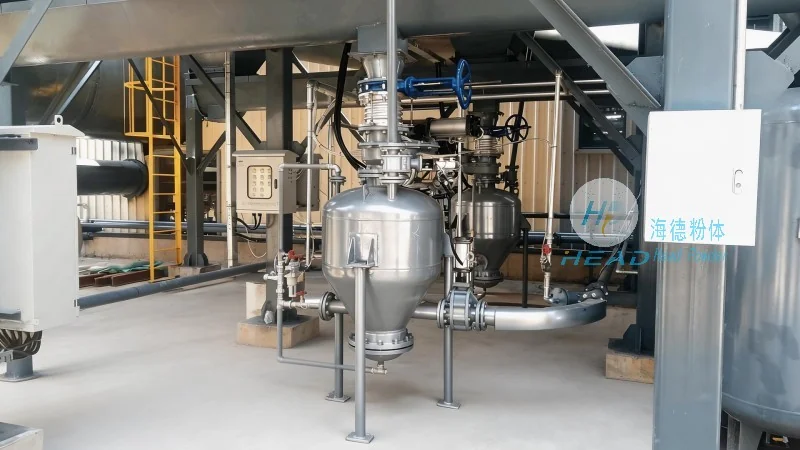
Another notable feature is the system's ability to maintain a consistent material flow rate and pressure, which is crucial for maintaining the efficiency of downstream processes. The adjustable air pressure and flow rate settings allow operators to optimize the conveyor's performance based on the characteristics of the zinc calcine, such as particle size, moisture content, and bulk density. This adaptability ensures that the conveyor can handle a wide range of material types and conditions, making it a versatile solution for various industrial applications.
The pneumatic conveyor also offers advantages in terms of space efficiency and flexibility. Unlike traditional mechanical conveyors, which require extensive space for installation and may be limited by the layout of the facility, the pneumatic system can be installed in a compact footprint and routed through existing structures or overhead spaces. This flexibility allows for the optimization of plant layout and the integration of the conveyor into existing production lines without major modifications. Furthermore, the system is designed to minimize dust generation and environmental impact, with features such as dust collection and filtration systems that ensure compliance with environmental regulations and maintain a clean working environment.
Operational Advantages and Applications
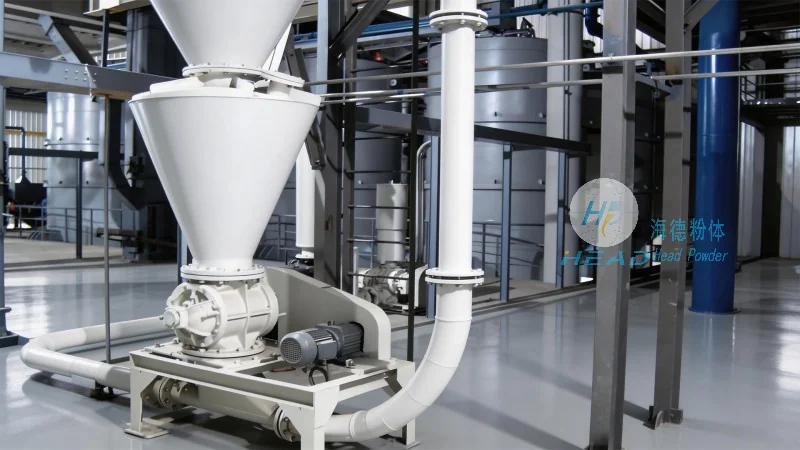
The pneumatic conveyor for zinc calcine material offers several operational advantages that make it an ideal choice for industrial applications. One of the key advantages is its high efficiency in material transfer, with the ability to move large quantities of material over long distances with minimal energy consumption. The system's ability to maintain a consistent flow rate and pressure ensures that downstream processes, such as processing or storage, receive a steady supply of material, reducing downtime and improving overall productivity. Additionally, the conveyor's compact design and flexibility allow for easy integration into existing facilities, minimizing the need for major construction or modifications.
The system is particularly suitable for applications where traditional mechanical conveyors may be impractical or inefficient, such as in environments with limited space or where the material is highly abrasive or corrosive. The use of high-quality materials and robust design ensures that the conveyor can withstand the harsh conditions associated with zinc calcine processing, providing reliable and long-lasting performance. Furthermore, the system's ability to handle a wide range of material characteristics makes it a versatile solution for various industrial processes, including mining, metallurgy, and chemical processing.
Conclusion
In conclusion, the pneumatic conveyor for zinc calcine material is a highly efficient and versatile system designed to meet the demanding requirements of industrial material handling. Its working principle, based on air or gas as the conveying medium, offers advantages in terms of space efficiency, flexibility, and material handling capacity. The key features, including durability, adaptability, and environmental considerations, make it an ideal solution for various industrial applications. HeadPowder, with its expertise in engineering and manufacturing, provides reliable and high-performance pneumatic conveying systems that enhance operational efficiency and productivity in the processing of zinc calcine and other bulk materials.