

[W]Working Principle and Features of Molybdenum Concentrate Powder Pneumatic Conveying Equipment
Molybdenum concentrate powder, a critical raw material in the metallurgical industry, requires efficient and reliable handling solutions to ensure smooth production processes. Pneumatic conveying systems have emerged as a preferred method for transporting molybdenum concentrate powder due to their ability to handle fine powders with minimal dust generation and high operational efficiency. This article explores the working principle and key features of molybdenum concentrate powder pneumatic conveying equipment, providing insights into how such systems enhance material handling in industrial settings.
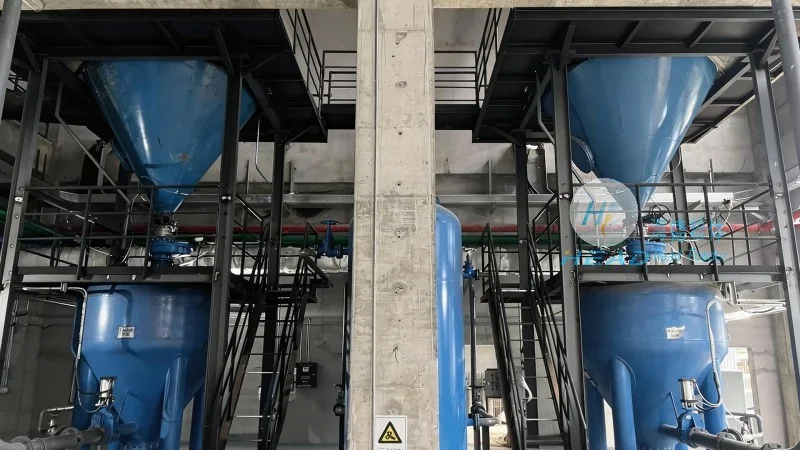
Introduction to Molybdenum Concentrate Powder Pneumatic Conveying Systems
Shandong HeadPowder Engineering Co., Ltd., a leading manufacturer in the field, specializes in designing and supplying advanced pneumatic conveying solutions tailored to the unique requirements of molybdenum concentrate powder. The company, based in China, leverages years of industry experience to develop systems that optimize material transport while maintaining environmental standards. Pneumatic conveying systems for molybdenum concentrate powder typically involve the use of compressed air or vacuum to move the powder through a network of pipes, ensuring a continuous and controlled flow of material from the source to the destination.
Working Principle of Pneumatic Conveying Systems for Molybdenum Concentrate Powder
The core working principle of molybdenum concentrate powder pneumatic conveying equipment revolves around the creation of a gas-solid flow within a closed pipeline system. In a typical system, the molybdenum concentrate powder is introduced into a hopper or feeder, where it is then drawn into a pipeline by a vacuum or pushed through by compressed air. The air or gas acts as the conveying medium, carrying the powder particles along the pipeline. The velocity of the gas is carefully controlled to ensure that the powder particles remain suspended and transported without settling or clogging the system. This process involves several key components, including the feeder, pipeline, and receiver, each designed to work in harmony to achieve efficient material transport.
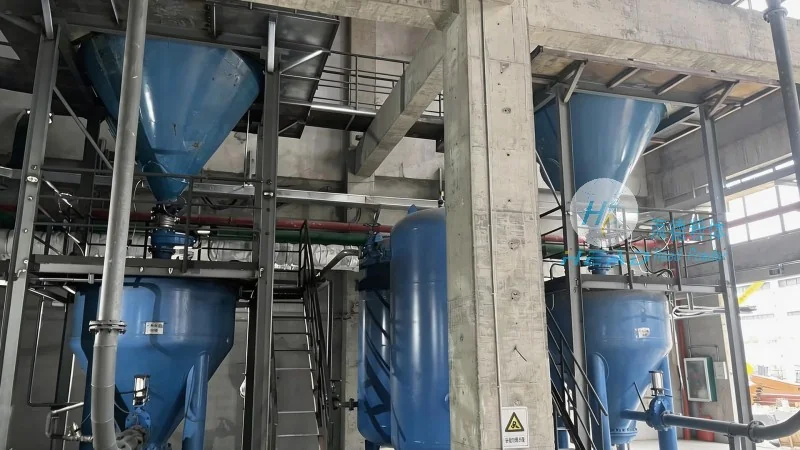
Key Features and Advantages of Molybdenum Concentrate Powder Pneumatic Conveying Equipment
Molybdenum concentrate powder pneumatic conveying systems offer several distinct advantages that make them ideal for industrial applications. Firstly, they provide a dust-free and enclosed transport environment, significantly reducing the risk of airborne contamination and improving workplace safety. This is particularly important for handling fine powders like molybdenum concentrate, which can be hazardous if inhaled. Secondly, these systems offer high flexibility in terms of layout and integration with existing production lines. They can be configured to handle varying flow rates and distances, adapting to the specific needs of different industrial processes. Thirdly, pneumatic conveying systems are highly efficient in terms of energy consumption and operational costs. By eliminating the need for mechanical components like belts or buckets, they reduce maintenance requirements and extend the lifespan of the equipment. Additionally, the systems are designed to minimize material degradation, ensuring that the quality of the molybdenum concentrate powder is preserved throughout the transport process.
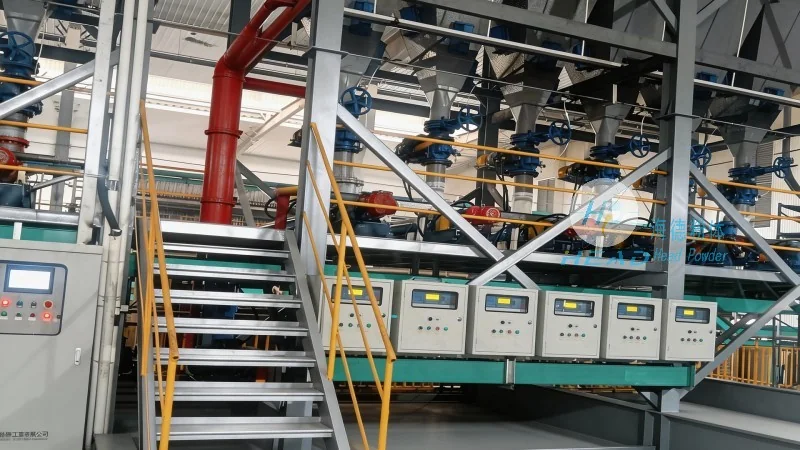
Application and Operational Considerations
When implementing molybdenum concentrate powder pneumatic conveying systems, several operational considerations must be taken into account to ensure optimal performance. The selection of the appropriate conveying method—whether positive pressure (using compressed air) or negative pressure (using vacuum)—depends on factors such as the distance to be covered, the volume of material to be transported, and the specific characteristics of the powder. For longer distances or when transporting large quantities, positive pressure systems are often preferred due to their ability to maintain consistent air pressure and prevent material settling. Conversely, vacuum systems are suitable for shorter distances or when the material needs to be drawn from multiple sources. The design of the pipeline system, including the diameter and material of the pipes, plays a crucial role in preventing clogging and ensuring smooth flow. Regular maintenance, such as cleaning the pipeline and checking for air leaks, is essential to maintain the efficiency and longevity of the system. Shandong HeadPowder Engineering Co., Ltd. provides comprehensive support, including system design, installation, and maintenance services, to ensure that clients achieve the best possible results from their pneumatic conveying equipment.
Conclusion
In conclusion, molybdenum concentrate powder pneumatic conveying equipment represents a sophisticated solution for the efficient and safe handling of fine powders in industrial applications. By understanding the working principle and leveraging the key features of such systems, industries can enhance their production processes, reduce operational costs, and improve overall safety. Shandong HeadPowder Engineering Co., Ltd., with its expertise and commitment to quality, continues to be a trusted partner in providing reliable pneumatic conveying solutions for the molybdenum and related industries.