

Working Principle and Features of Continuous Metering Feeding Material Pneumatic Conveying Line
Shandong HeadPowder Engineering Co., Ltd., commonly known as headpowder, specializes in the design, manufacturing, and supply of advanced material handling solutions. Among their product portfolio is the continuous metering feeding material pneumatic conveying line, a sophisticated system engineered to efficiently transport bulk materials with precise control over feed rates. This article explores the working principle and key features of this technology, highlighting its applications and benefits in industrial settings.
Working Principle of the Continuous Metering Feeding Material Pneumatic Conveying Line
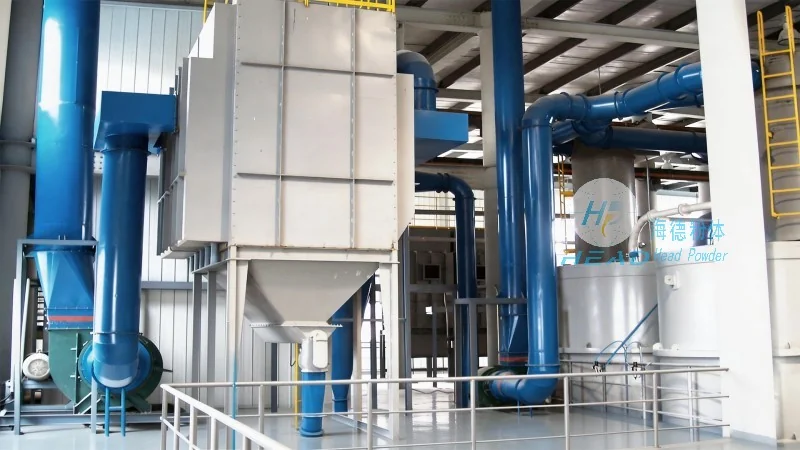
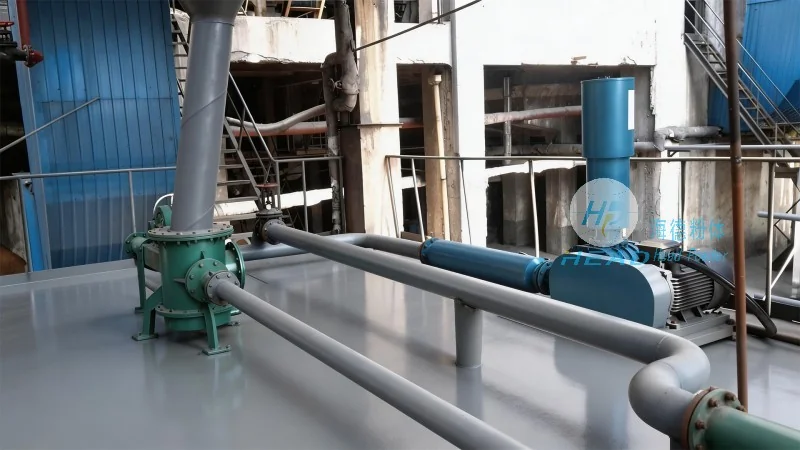
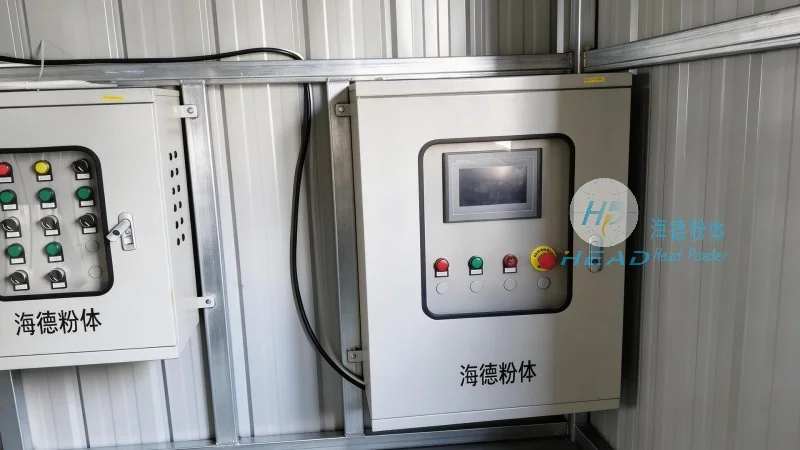
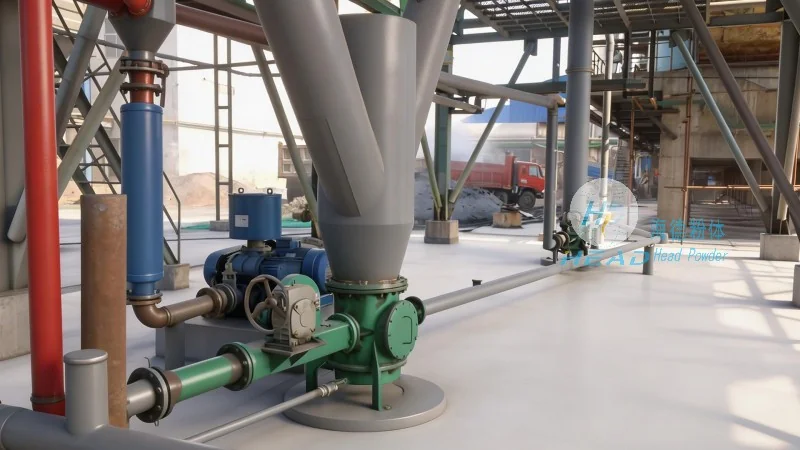
The continuous metering feeding material pneumatic conveying line operates on the principle of pneumatic transport, where bulk materials are conveyed through a pipeline using a combination of air pressure and vacuum. The system typically consists of a hopper, a metering device, a conveying pipeline, and a discharge unit. The hopper stores the material, while the metering device, often a rotary valve or a volumetric feeder, regulates the flow rate of the material into the pipeline. Compressed air or a vacuum system then propels the material through the pipeline to the discharge point. The metering device ensures a consistent and accurate feed rate, which is critical for processes requiring precise material input, such as in chemical, food, or pharmaceutical industries. The system can operate under positive pressure (air blowing material) or negative pressure (air sucking material), depending on the application and material characteristics. The control system integrates sensors and feedback mechanisms to maintain the desired flow rate, ensuring stability and reliability in material handling operations.
Key Features and Advantages of the Continuous Metering Feeding Material Pneumatic Conveying Line
One of the primary advantages of this system is its ability to provide continuous and precise material feeding, which enhances production efficiency and reduces downtime. The metering device ensures consistent flow rates, minimizing variations that can affect downstream processes. The pneumatic conveying method offers a dust-free and enclosed transport solution, which is essential for materials that are sensitive to contamination or require a clean environment. Additionally, the system is flexible and can handle a wide range of materials, including powders, granules, and even bulk solids, with minimal maintenance requirements. The modular design allows for easy integration into existing production lines, and the system can be customized to meet specific operational needs, such as varying feed rates or material types. Another key feature is the energy efficiency of the system, as it uses compressed air or vacuum systems that are optimized for low energy consumption. The enclosed pipeline design also helps in maintaining material quality by preventing exposure to external elements, such as moisture or contaminants. The system's reliability is further enhanced by the use of durable materials and components, ensuring long-term performance and minimal maintenance costs.