

Working Principle and Features of Pneumatic Conveying Equipment for Wood Powder Materials
Shandong HeadPowder Engineering Co., Ltd., a leading manufacturer based in China, specializes in the design, development, and production of advanced pneumatic conveying systems tailored for wood powder materials. This article delves into the working principle and key features of such equipment, providing a comprehensive overview for industry professionals seeking efficient material handling solutions.
Working Principle of Pneumatic Conveying Equipment for Wood Powder
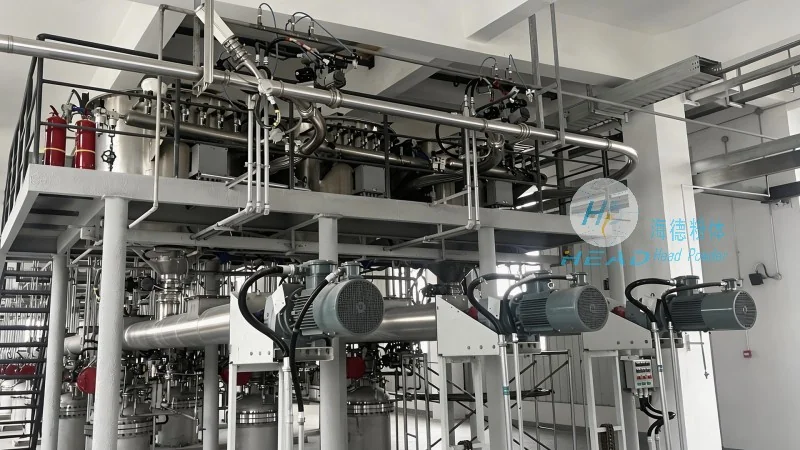
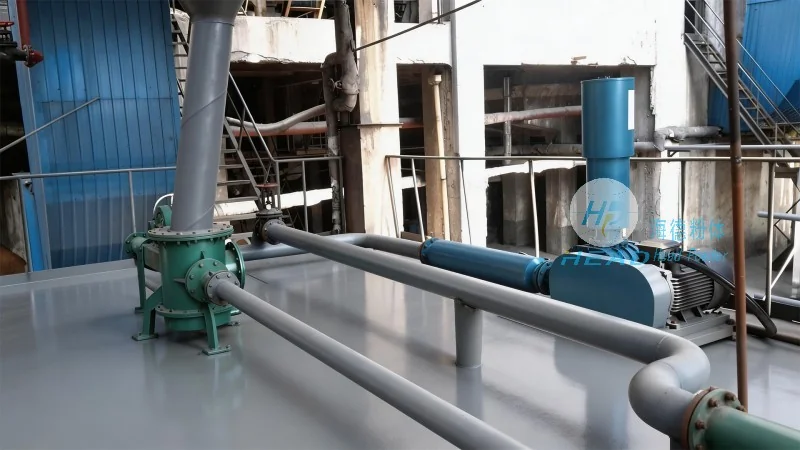
Pneumatic conveying systems for wood powder operate by utilizing compressed air or gas to transport bulk materials through a network of pipes. The process typically involves several key components and steps. First, the wood powder is fed into a hopper or feeder, where it is then drawn into the conveying line by the pressure differential created by the air flow. The air, often supplied by a blower or compressor, moves the powder particles through the pipeline, ensuring a continuous and controlled flow. The system may include features such as cyclones or filters to separate the powder from the air at the discharge point, maintaining material purity and system efficiency. The entire operation is driven by the pressure and velocity of the air, which are carefully regulated to optimize the conveying process for wood powder, a material known for its light weight and potential for dust generation.
Key Features of Pneumatic Conveying Equipment for Wood Powder
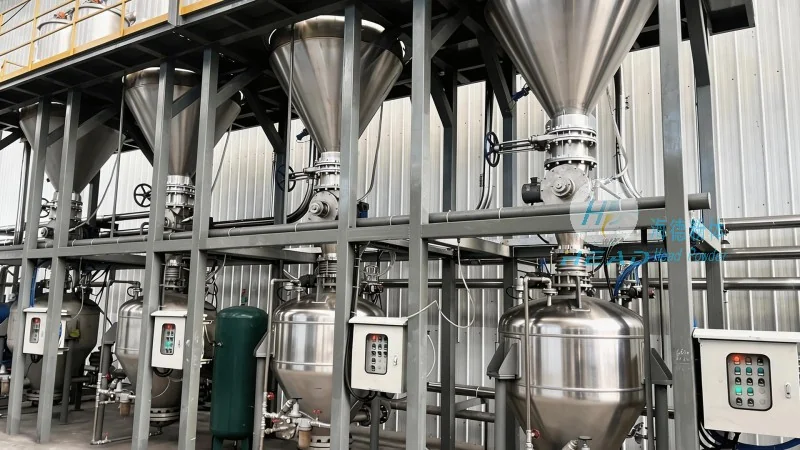
The pneumatic conveying equipment designed for wood powder materials offers several distinct advantages that make it an ideal choice for various industrial applications. Firstly, it provides a dust-free and enclosed transport method, which is crucial for maintaining material quality and ensuring a safe working environment. Unlike traditional mechanical conveyors, which can generate significant dust and cause contamination, pneumatic systems keep the wood powder contained within the pipeline, reducing the risk of airborne particles and improving overall hygiene. Secondly, these systems offer high efficiency and flexibility in material handling. They can transport wood powder over long distances and through complex layouts, adapting to the specific needs of different production lines. The ability to handle varying particle sizes and moisture content of wood powder also makes the equipment versatile, accommodating different types of raw materials. Additionally, the equipment is designed for low maintenance and durability, with components such as high-quality pipes, robust blowers, and efficient separation units that ensure long-term reliability. This reduces downtime and operational costs for businesses, making it a cost-effective solution for wood powder processing and distribution.
Advantages and Practical Applications
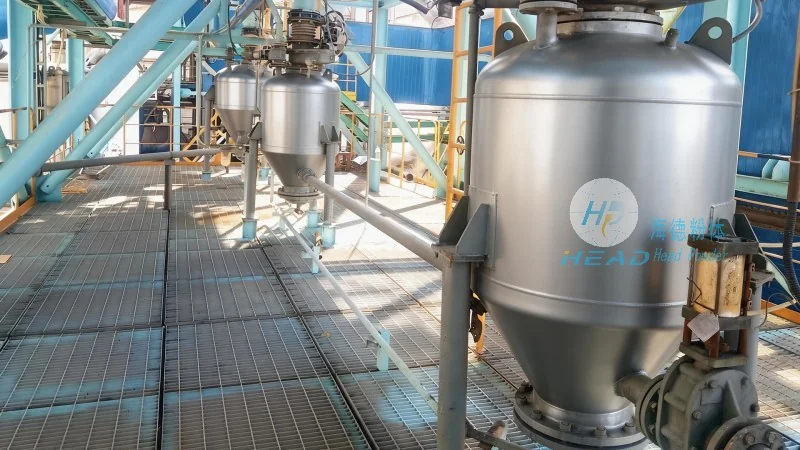
For industries dealing with wood powder, the adoption of pneumatic conveying equipment from Shandong HeadPowder Engineering Co., Ltd. brings numerous benefits. The enclosed system minimizes environmental impact by preventing dust emissions, which is particularly important in regions with strict air quality regulations. Moreover, the efficiency of the system allows for faster material transfer, improving production throughput and reducing labor costs associated with manual handling. The flexibility of the equipment enables seamless integration into existing production lines, whether for small-scale operations or large industrial facilities. The company’s expertise in customizing systems to meet specific customer requirements ensures that the equipment is optimized for the unique characteristics of each wood powder material, such as density, moisture content, and particle size. This tailored approach enhances performance and longevity, providing a reliable solution for consistent and high-quality material transport. In summary, the pneumatic conveying equipment for wood powder not only addresses the challenges of handling this material but also contributes to operational efficiency and environmental compliance, making it a valuable investment for businesses in the wood processing sector.