

Working Principle and Features of Straw Ash Powder Pneumatic Conveying System
Straw ash powder pneumatic conveying systems play a vital role in modern material handling, particularly for transporting fine powders such as straw ash. This article delves into the working principle and key characteristics of these systems, illustrating how they enhance efficiency and reliability in industrial operations.
About HeadPowder Engineering Co., Ltd.
HeadPowder, a prominent entity in the field, specializes in the design and manufacturing of advanced pneumatic conveying solutions. Headquartered in Shandong, China, the company leverages technical expertise and practical experience to deliver systems tailored to diverse industrial needs. The company's dedication to quality and innovation ensures its products meet the highest industry standards.
Working Principle of Straw Ash Powder Pneumatic Conveying Systems
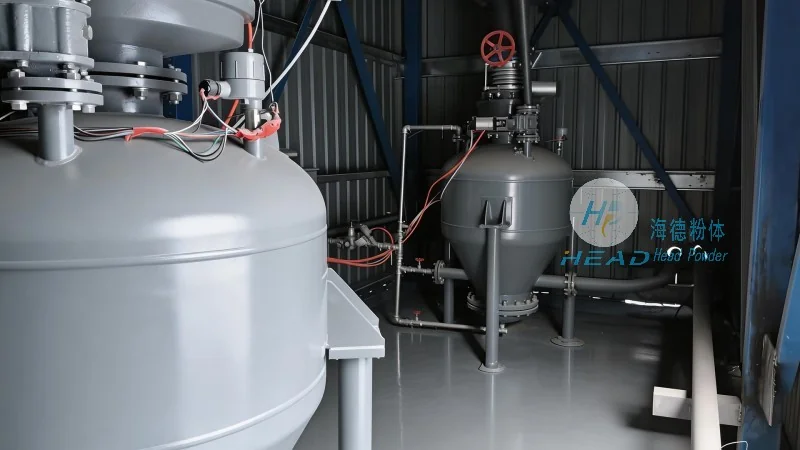
The fundamental operation of a straw ash powder pneumatic conveying system revolves around transporting dry, fine materials through a pressurized or vacuum environment. The system typically functions by generating airflow using a blower or fan, which propels the straw ash powder particles through a pipeline network. The working principle can be broken down into several core steps:
First, the straw ash powder is fed into the system via a hopper or feeder. The feeder regulates the flow rate to maintain a consistent material supply. Next, the air is introduced into the system, either by pressurizing the pipeline (positive pressure system) or by creating a vacuum (negative pressure system). In a positive pressure system, the blower pushes air and material through the pipeline, while in a negative pressure system, the fan draws the material and air into the pipeline. The material is then transported to the destination, such as a storage silo or processing unit, where it is discharged. The system may also include components like cyclones or filters to separate the material from the air, ensuring clean and efficient operation.
Key Features of Straw Ash Powder Pneumatic Conveying Systems
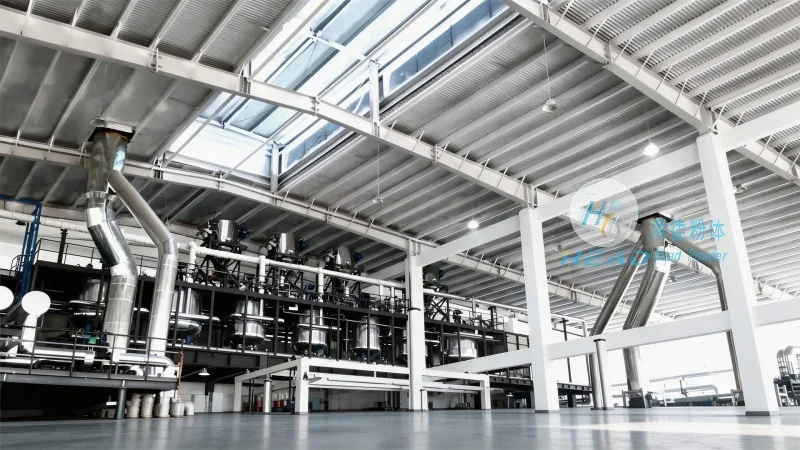
Straw ash powder pneumatic conveying systems from Shandong HeadPowder Engineering Co., Ltd. are distinguished by several key features that enhance performance and user experience:
1. **Efficient Material Transport**: The systems are engineered to handle fine straw ash powders with high efficiency, minimizing material loss and ensuring consistent flow rates. This is achieved through optimized airflow and pipeline design, which reduces friction and prevents clogging.
2. **Versatility in Application**: These systems are adaptable to various industrial settings, including agricultural processing, waste management, and energy production. They can handle different particle sizes and moisture contents, making them suitable for diverse straw ash sources.
3. **Low Maintenance Requirements**: The design incorporates durable components and minimal moving parts, reducing the need for frequent maintenance. This not only lowers operational costs but also increases system reliability and uptime.
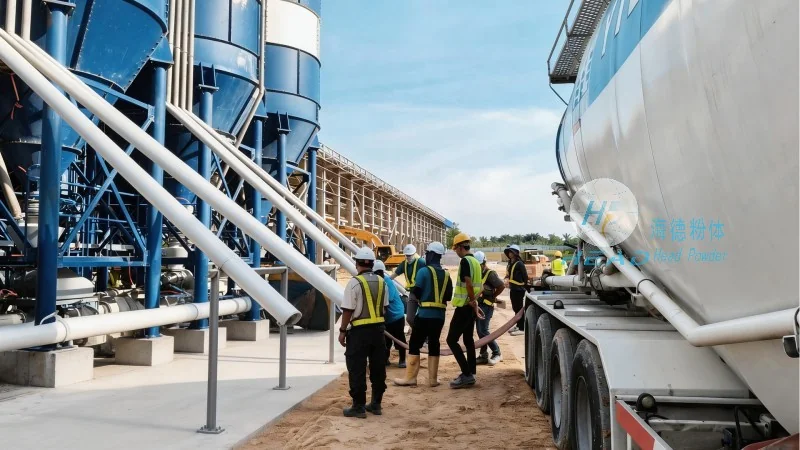
4. **Environmental Friendliness**: By utilizing enclosed pipelines and filtration systems, the systems minimize dust emissions and environmental impact. This aligns with modern sustainability goals and regulatory requirements.
5. **Customization Options**: HeadPowder offers customized solutions to meet specific client requirements. Whether it's a small-scale system for a local farm or a large-scale system for an industrial facility, the company can tailor the design to fit the unique needs of each project.
Conclusion
Straw ash powder pneumatic conveying systems from Shandong HeadPowder Engineering Co., Ltd. represent a reliable and efficient solution for transporting fine materials. By understanding the working principle and leveraging the key features, industries can enhance their material handling processes, reduce costs, and improve overall operational performance. With a strong foundation in Shandong, China, HeadPowder continues to innovate and provide high-quality systems that meet the evolving demands of the market.