

Working Principle and Features of Desulfurization and Dust Removal Ash Material Conveying Line
Desulfurization and dust removal ash material conveying lines are critical components in industrial processes, particularly in power plants and other facilities that rely on flue gas treatment. These systems are designed to efficiently transport ash and other byproducts generated during the desulfurization and dust removal processes. Understanding the working principle and key features of such lines is essential for optimizing operational efficiency and ensuring compliance with environmental regulations.
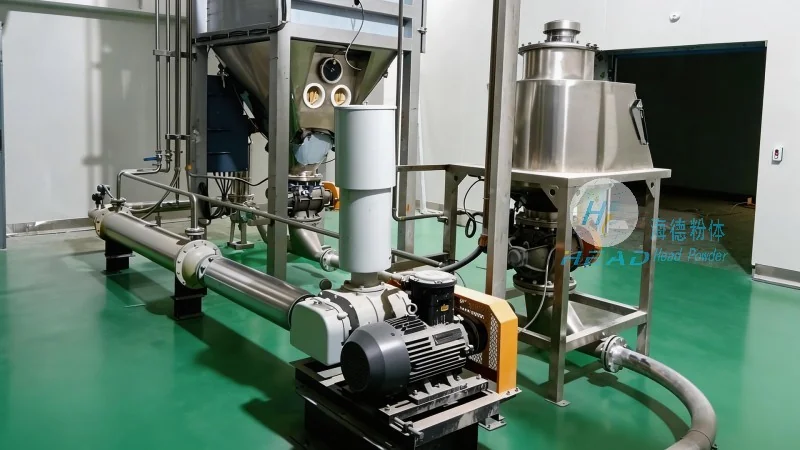
HeadPowder, a leading manufacturer based in Shandong, China, specializes in the design, manufacturing, and installation of advanced material conveying solutions. With years of experience in the industry, HeadPowder has developed state-of-the-art conveying lines that cater to the specific needs of desulfurization and dust removal applications. The company's commitment to quality and innovation has made it a trusted partner for clients seeking reliable and efficient ash handling systems.
The Working Principle of Desulfurization and Dust Removal Ash Material Conveying Lines
The core working principle of these conveying lines involves the use of various mechanisms to transport ash and other materials from the desulfurization and dust removal units to storage or disposal locations. The process typically begins with the collection of ash from the flue gas treatment equipment. This ash, often in a dry or semi-dry state, is then fed into the conveying system.
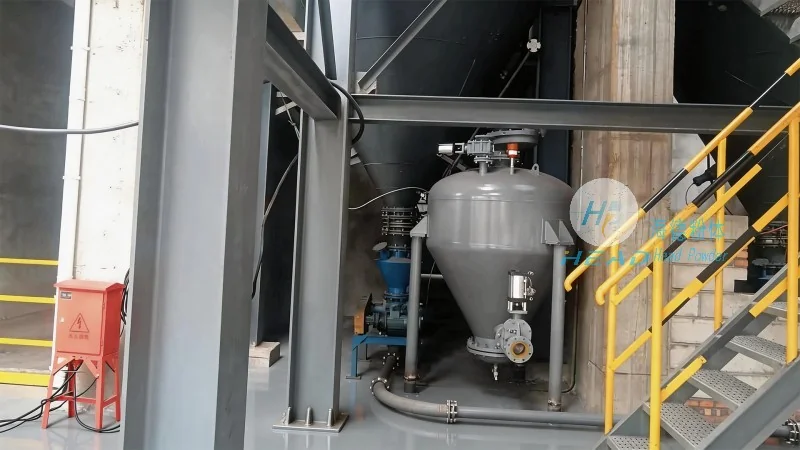
One of the most common methods used in these lines is the screw conveyor, which uses a rotating screw to move material along a tube or trough. This mechanism is particularly effective for handling dry ash and other granular materials. Another widely used method is the pneumatic conveying system, which utilizes air pressure to transport ash through a pipeline. This approach is ideal for applications where the material needs to be transported over longer distances or through complex layouts.
Additionally, some systems may incorporate a combination of both screw and pneumatic conveying technologies to achieve optimal performance. For instance, a screw conveyor might be used to feed material into a pneumatic conveying line, ensuring a smooth transition and efficient transport. The choice of mechanism depends on factors such as the material's properties, the required conveying distance, and the overall system design.
Key Features of Desulfurization and Dust Removal Ash Material Conveying Lines
HeadPowder's desulfurization and dust removal ash material conveying lines are equipped with several key features that enhance their performance and reliability. One of the primary features is the robust construction, which is designed to withstand the harsh conditions of industrial environments. The components are made from high-quality materials, such as stainless steel and corrosion-resistant alloys, ensuring durability and long service life.
Another important feature is the system's ability to handle a wide range of ash types and particle sizes. Whether dealing with fine ash particles or larger chunks, the conveying line can be customized to meet specific requirements. This adaptability makes it suitable for various applications, from small-scale installations to large industrial plants.
The conveying lines also feature advanced control systems that allow for precise operation and monitoring. These systems enable operators to adjust the conveying speed, pressure, and other parameters to optimize performance. Real-time monitoring capabilities help in identifying any issues or inefficiencies, allowing for timely maintenance and adjustments.
Furthermore, the lines are designed with safety and environmental considerations in mind. Features such as dust suppression systems and sealed conveying mechanisms help minimize the release of airborne particles, reducing the risk of contamination and ensuring compliance with environmental standards. The use of energy-efficient components also contributes to lower operational costs and reduced environmental impact.
Benefits of Using HeadPowder's Conveying Lines
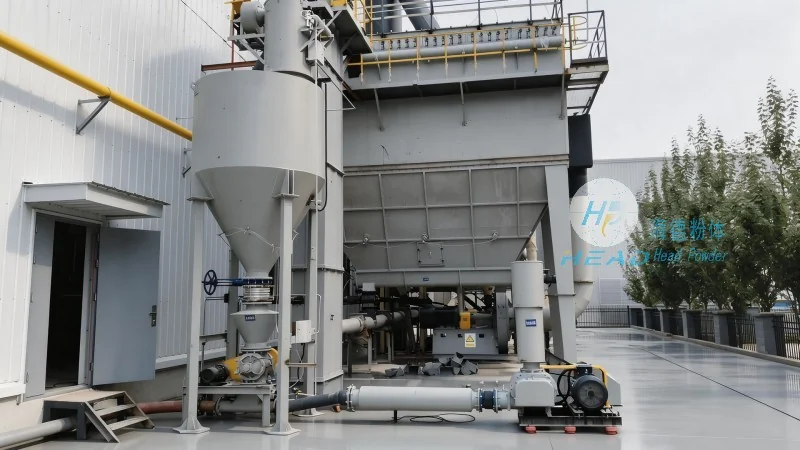
Implementing HeadPowder's desulfurization and dust removal ash material conveying lines offers several benefits for industrial facilities. Firstly, these systems enhance operational efficiency by ensuring smooth and continuous material transport. This reduces downtime and increases overall productivity. Secondly, the robust design and advanced features minimize maintenance requirements, leading to lower operational costs over the long term.
Thirdly, the systems contribute to improved environmental performance by effectively handling ash and other byproducts. This helps in reducing the environmental impact of industrial operations and ensuring compliance with regulatory requirements. The energy-efficient design also reduces the facility's carbon footprint, aligning with sustainability goals.
Lastly, HeadPowder's commitment to quality and customer support ensures that clients receive reliable and well-maintained equipment. The company provides comprehensive after-sales services, including maintenance, repairs, and technical support, to ensure the optimal performance of the conveying lines throughout their service life.
Conclusion
Desulfurization and dust removal ash material conveying lines are essential for the efficient operation of industrial facilities that rely on flue gas treatment. HeadPowder's advanced solutions, with their robust construction, adaptability, and advanced control systems, provide reliable and efficient ash handling capabilities. By choosing HeadPowder's conveying lines, industrial facilities can enhance their operational efficiency, reduce costs, and contribute to a more sustainable and environmentally friendly operation.