

Working Principle and Features of Magnesium Sulfate Material Transport Systems
Understanding the working principle and features of magnesium sulfate material transport systems is crucial for optimizing industrial processes in various sectors. These systems are designed to efficiently handle the transportation of magnesium sulfate, a vital chemical compound used in multiple industries such as pharmaceuticals, agriculture, and water treatment. The following content provides a detailed overview of how these systems operate and their key characteristics, along with information about the company behind their development and manufacturing.
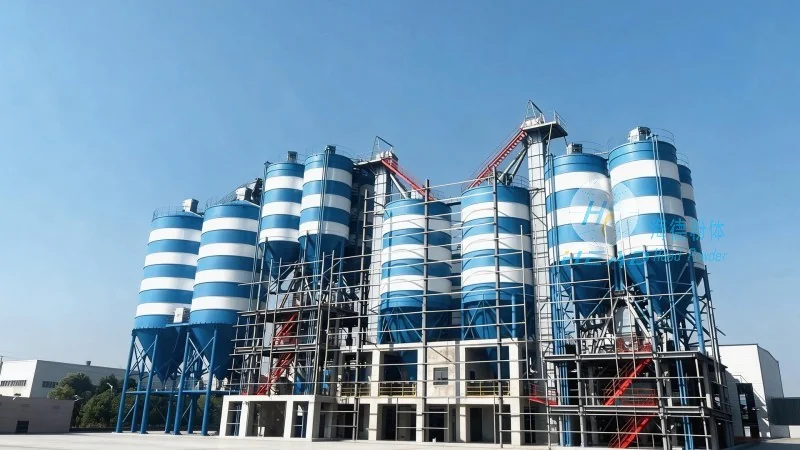
Company Overview: Shandong HeadPowder Engineering Co., Ltd.
HeadPowder, a leading engineering company based in Shandong, China, specializes in the design, manufacturing, and installation of advanced material handling solutions. With a strong commitment to quality and innovation, HeadPowder has established itself as a trusted partner in the chemical processing industry. The company's expertise in material transport systems ensures that clients receive tailored solutions that meet their specific operational needs, enhancing efficiency and safety in material handling processes.
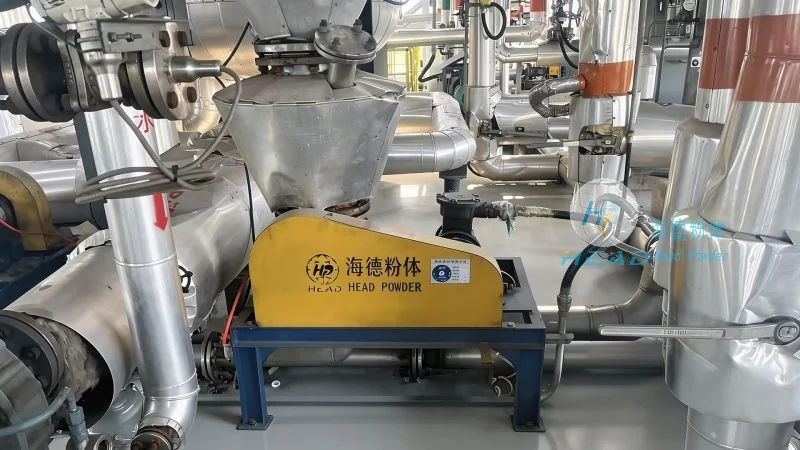
Working Principle of Magnesium Sulfate Material Transport Systems
The core working principle of magnesium sulfate material transport systems involves the use of specialized equipment to move the material from one location to another within an industrial facility. These systems typically consist of components such as conveyors, pumps, and storage tanks, which work in tandem to ensure smooth and continuous material flow. The process begins with the loading of magnesium sulfate into the storage tank, where it is then pumped or conveyed to the processing units. Conveyors, such as belt conveyors or screw conveyors, are commonly used to transport bulk materials like magnesium sulfate over short to medium distances. Pumps, particularly centrifugal pumps, are employed to transfer the material through pipelines, ensuring consistent pressure and flow rates. The system is designed to maintain the integrity of the material, preventing degradation or contamination during transport. Control systems, often integrated with sensors and automation technology, monitor the flow rate, pressure, and level of the material, allowing for real-time adjustments to optimize performance. This automated approach enhances operational efficiency and reduces the risk of human error, making the system reliable and consistent in delivering magnesium sulfate to its intended destinations.
Key Features of Magnesium Sulfate Material Transport Systems
Magnesium sulfate material transport systems are characterized by several key features that make them suitable for industrial applications. Firstly, their robust construction ensures durability and long-term performance, even under harsh operating conditions. The materials used in the construction of components, such as stainless steel or corrosion-resistant alloys, are chosen to withstand the chemical properties of magnesium sulfate and prevent degradation over time. Secondly, these systems are designed for high efficiency, minimizing energy consumption while maximizing material throughput. Advanced control technologies, including variable frequency drives (VFDs), allow for precise control of motor speeds, optimizing energy usage based on the required flow rate. Thirdly, the systems offer flexibility in terms of material handling capabilities. They can be customized to handle different particle sizes and bulk densities of magnesium sulfate, adapting to various production requirements. Additionally, the integration of safety features, such as emergency stop mechanisms and overload protection, ensures the safety of operators and equipment. The systems also prioritize hygiene and cleanliness, with easy-to-clean surfaces and sealed components that prevent contamination, which is particularly important in industries like pharmaceuticals and food processing. Finally, the systems are designed for easy maintenance and serviceability, with accessible components and modular designs that facilitate quick repairs and replacements, reducing downtime and maintenance costs.
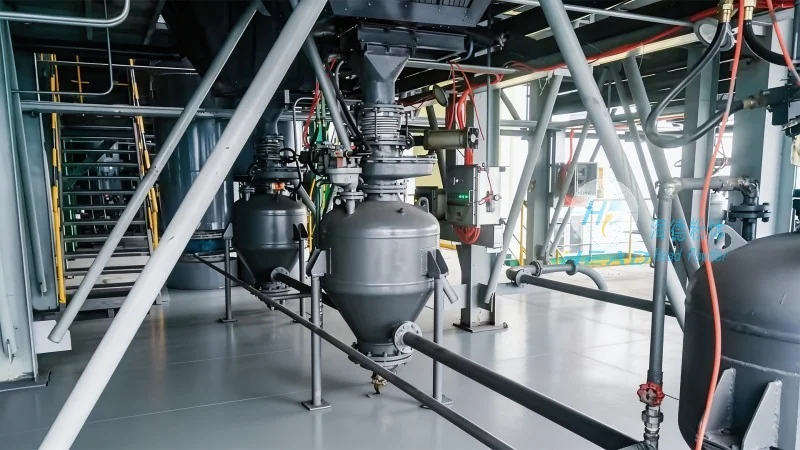
Applications and Benefits in Industrial Settings
Magnesium sulfate material transport systems find extensive applications across various industries due to their versatility and reliability. In the pharmaceutical industry, these systems are used to transport magnesium sulfate for the production of medications, ensuring that the material is handled hygienically and efficiently. In agriculture, they are employed in the manufacturing of fertilizers, where consistent and high-quality material transport is essential for product quality. The water treatment industry also utilizes these systems to transport magnesium sulfate for water softening and treatment processes, contributing to improved water quality. The benefits of using these systems include improved productivity, reduced labor costs, enhanced safety, and better material quality control. By streamlining the material handling process, these systems enable businesses to operate more efficiently, meet production targets, and maintain compliance with industry standards. The integration of advanced technology in these systems further enhances their performance, making them a valuable asset for any industrial operation.