

Working Principle and Features of Dust Powder Conveyors
Understanding the working principle and features of dust powder conveyors is crucial for industries dealing with bulk material handling. These specialized machines are designed to efficiently transport fine powders and dust, ensuring safe and reliable operation in various industrial applications.
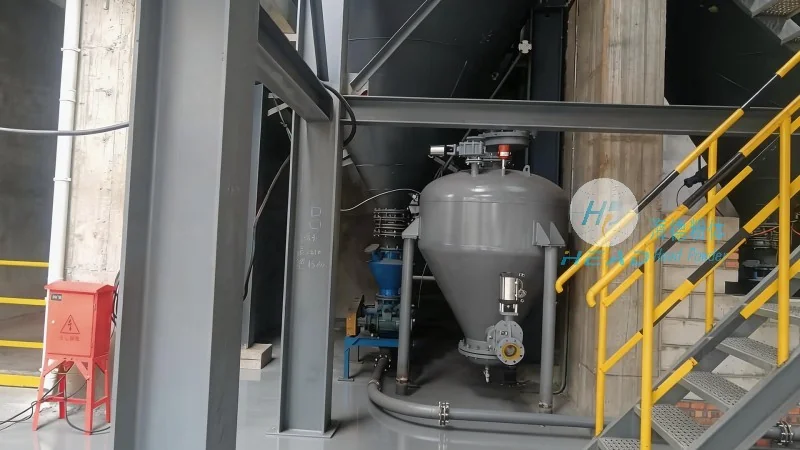
Introduction to Dust Powder Conveyors
Dust powder conveyors, also known as pneumatic or mechanical conveyors, are essential equipment in sectors such as chemical, pharmaceutical, food processing, and mining. The primary function of these systems is to move dry, powdery materials from one location to another without the need for manual labor or additional containers. This not only enhances operational efficiency but also minimizes the risk of contamination and material loss.
Working Principle of Dust Powder Conveyors
The operation of dust powder conveyors typically involves a combination of air pressure and mechanical components. There are two main types of systems: pneumatic and mechanical. Pneumatic conveyors use compressed air to create a flow that transports the material through a pipeline. The material is often mixed with air in a hopper or feeder, and the air flow propels it through the system. Mechanical conveyors, on the other hand, rely on mechanical parts like screws, belts, or buckets to move the material. Both systems are engineered to handle different material characteristics, such as particle size, density, and moisture content.
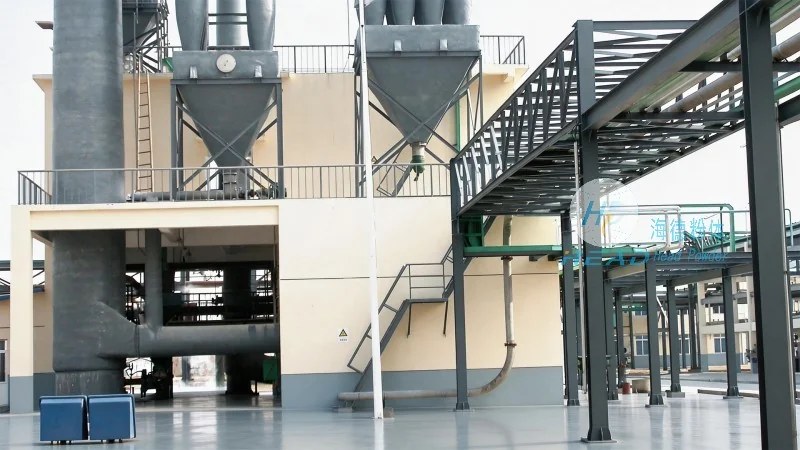
Key Features of Dust Powder Conveyors
HeadPowder, a leading manufacturer based in Shandong, China, offers a range of dust powder conveyors with several notable features. These include high efficiency in material transport, low maintenance requirements, and the ability to handle a wide variety of materials. The conveyors are designed with robust construction to withstand the rigors of continuous operation in industrial environments. Additionally, they often incorporate advanced control systems that allow for precise regulation of material flow and pressure, ensuring optimal performance and safety.

Applications and Benefits
Dust powder conveyors are widely used in applications where material handling needs to be precise and hygienic. For example, in the food industry, these systems are used to transport ingredients like flour and sugar without contamination. In the chemical industry, they help in moving powders that may be hazardous or reactive. The benefits of using these conveyors include reduced labor costs, improved product quality, and enhanced safety in the workplace. By automating the material transport process, industries can achieve higher productivity and better control over their operations.
Conclusion
In summary, dust powder conveyors are vital equipment for efficient and safe material handling in various industries. The working principle, which may involve pneumatic or mechanical methods, ensures that powders and dust are transported effectively. Key features such as high efficiency, low maintenance, and robust construction make these systems reliable choices for industrial applications. Companies like Shandong HeadPowder Engineering Co., Ltd. continue to innovate in this field, providing advanced solutions that meet the evolving needs of modern industries.