

Working Principle and Features of Sulfur Pellet Pneumatic Conveying System Equipment
Shandong HeadPowder Engineering Co., Ltd. specializes in the design and manufacturing of advanced sulfur pellet pneumatic conveying systems, providing efficient solutions for bulk material transport in industrial applications. The sulfur pellet pneumatic conveying system equipment is a critical component in the chemical processing industry, leveraging pneumatic technology to move sulfur pellets from one location to another without mechanical components like conveyor belts or buckets. This technology is widely adopted across sectors such as sulfur production, chemical manufacturing, and material handling due to its efficiency, adaptability, and ability to handle hazardous or delicate materials. In this article, we will explore the working principle and key features of this equipment, offering a comprehensive understanding of its functionality and benefits for industrial operations.
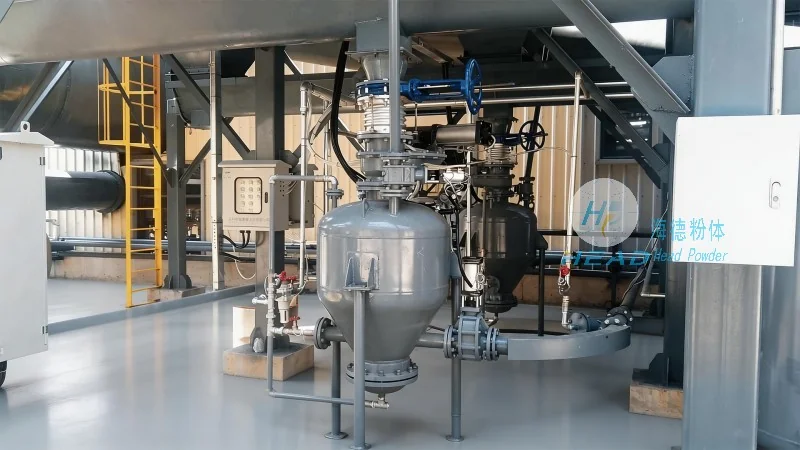
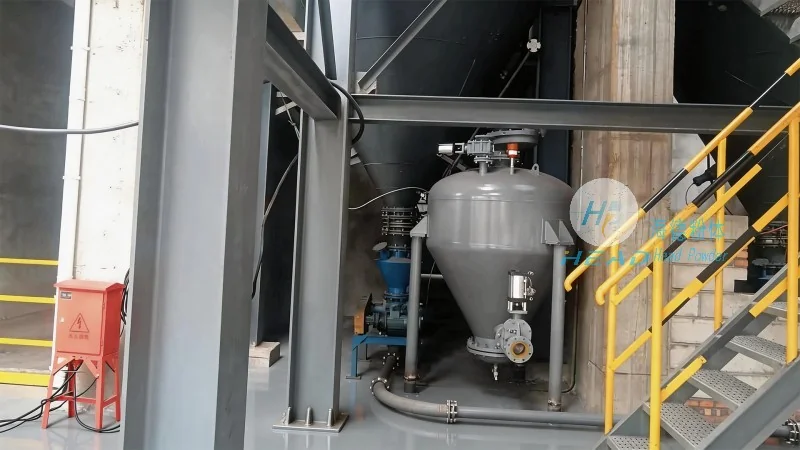
Working Principle of the Sulfur Pellet Pneumatic Conveying System
The fundamental working principle of the sulfur pellet pneumatic conveying system centers on the use of compressed air to create a high-velocity air stream that lifts and transports the sulfur pellets. The process involves a series of interconnected components, including a material hopper for storage, a controlled feeder to regulate the flow rate, a network of conveying pipes, and a receiving hopper at the destination. The operation begins with sulfur pellets being loaded into the storage hopper. The feeder then precisely controls the amount of material released into the conveying pipe, ensuring a consistent flow. Compressed air is introduced into the pipe, generating a powerful air flow that entrains the pellets and propels them through the pipe. The air-pellet mixture travels to the receiving hopper, where a separation system—typically a cyclone or filter—separates the air from the pellets. The air is discharged, while the sulfur pellets are collected and ready for further processing. This continuous cycle ensures a steady and efficient transport of material, minimizing downtime and maximizing productivity. The system operates under positive or negative pressure, depending on the specific application and material characteristics, allowing for flexibility in different industrial environments.
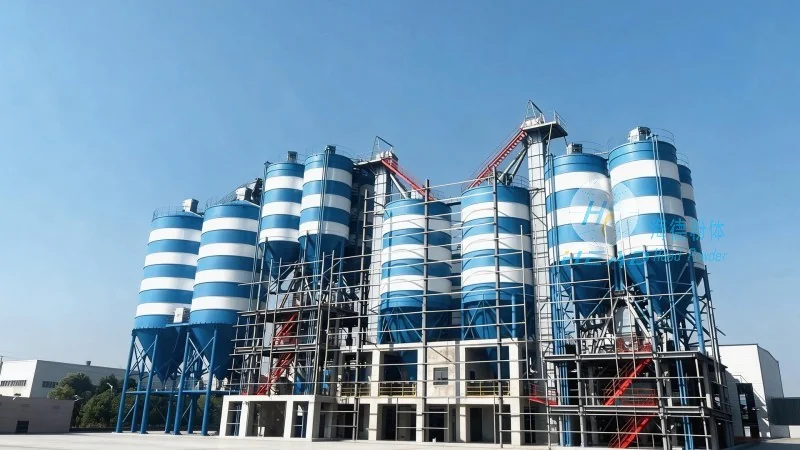
Key Features of the Sulfur Pellet Pneumatic Conveying System
The sulfur pellet pneumatic conveying system is distinguished by several key features that enhance its performance and suitability for industrial use. One of the primary advantages is its ability to handle bulk materials without mechanical contact, which reduces wear and tear on equipment and extends the operational lifespan. The system is highly adaptable, with the ability to modify the conveying route or capacity by adjusting the pipe network and control systems, making it suitable for dynamic production environments. Additionally, the system is designed for low maintenance, with easily accessible components such as the hopper and feeder for cleaning and inspection, reducing downtime and maintenance costs. The use of compressed air as the conveying medium provides a hygienic and dust-free environment, which is critical for industries where material purity is essential, such as pharmaceutical or food processing. The system also integrates seamlessly with other processing equipment, such as storage silos or reactors, forming a cohesive material handling workflow that enhances overall operational efficiency. Furthermore, the system offers enhanced safety features, including pressure relief valves and air filtration systems, to prevent accidents and ensure a safe working environment. These features collectively make the sulfur pellet pneumatic conveying system a reliable and efficient solution for bulk material transport.
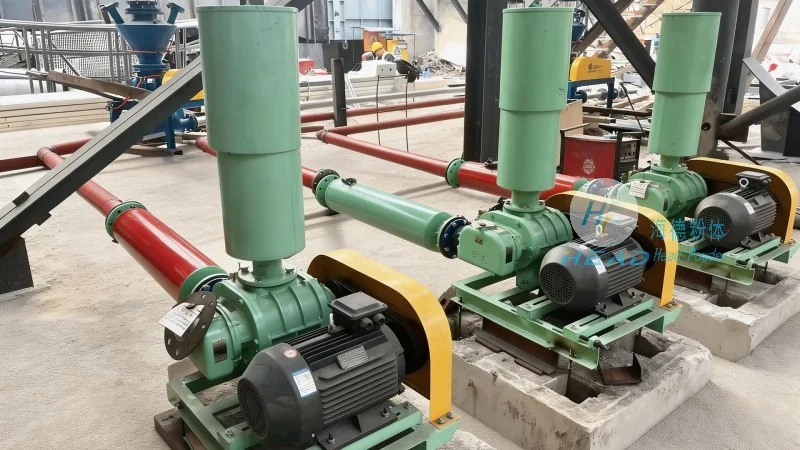
Applications and Benefits in Industrial Settings
The sulfur pellet pneumatic conveying system finds extensive applications in various industrial sectors, particularly in the chemical and petrochemical industries. Its primary use is in transporting sulfur pellets from storage facilities to processing units, such as reactors or converters, where they are used as a raw material in the production of sulfuric acid or other chemical products. The system is also employed in the handling of other bulk materials, including powders and granules, making it a versatile solution for different material types. The benefits of using this system extend beyond efficient material transport. It reduces labor costs by automating the material handling process, minimizes material loss during transport, and improves safety by eliminating the need for manual handling of heavy or hazardous materials. The system also contributes to better environmental management by reducing dust emissions and improving air quality in the workplace, aligning with modern industrial sustainability goals. In high-throughput production lines, the system's ability to handle large volumes of material at high speeds enhances productivity and operational efficiency. Additionally, the system's compact design allows for space-saving installations, making it suitable for facilities with limited space. Overall, the sulfur pellet pneumatic conveying system provides a reliable, cost-effective, and environmentally friendly solution for bulk material handling, supporting the productivity and sustainability of industrial operations.