

The Working Principle and Features of Magnesium Silicate Pneumatic Conveying Equipment
For industrial applications involving the handling of magnesium silicate, the selection of an appropriate pneumatic conveying system is crucial for efficiency and operational reliability. This article provides an in-depth exploration of the working principle and key features of magnesium silicate pneumatic conveying equipment, presented by Shandong HeadPowder Engineering Co., Ltd., a leading manufacturer based in Shandong, China.
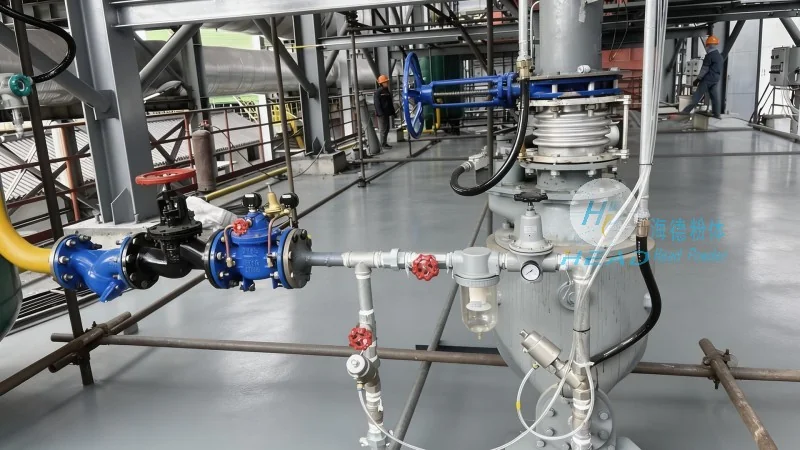
Overview of Magnesium Silicate Pneumatic Conveying Equipment
Magnesium silicate, commonly used in various industrial processes such as construction materials, chemical manufacturing, and filtration, requires specialized equipment to transport it safely and effectively. Pneumatic conveying systems offer a non-contact, low-maintenance solution for moving bulk materials like magnesium silicate over short to medium distances. These systems utilize compressed air or gas to transport the material through a pipeline network, eliminating the need for mechanical components that may cause wear or contamination.
The Working Principle of Magnesium Silicate Pneumatic Conveying Equipment
The core mechanism of magnesium silicate pneumatic conveying equipment operates on the principle of air flow and material suspension. The system typically consists of a material hopper, a feeder, a conveying line, and a receiver. The process begins with the material being fed from the hopper into the feeder, which controls the flow rate. Compressed air is then introduced into the conveying line, creating a flow that lifts and transports the magnesium silicate particles. The air velocity is maintained at a level sufficient to keep the particles suspended and prevent settling, ensuring a smooth and continuous transfer. The conveying line may include components like bends, filters, and silencers to manage the flow and protect the system from pressure surges or particle blockages. Finally, the material is deposited into the receiver, completing the transfer process.
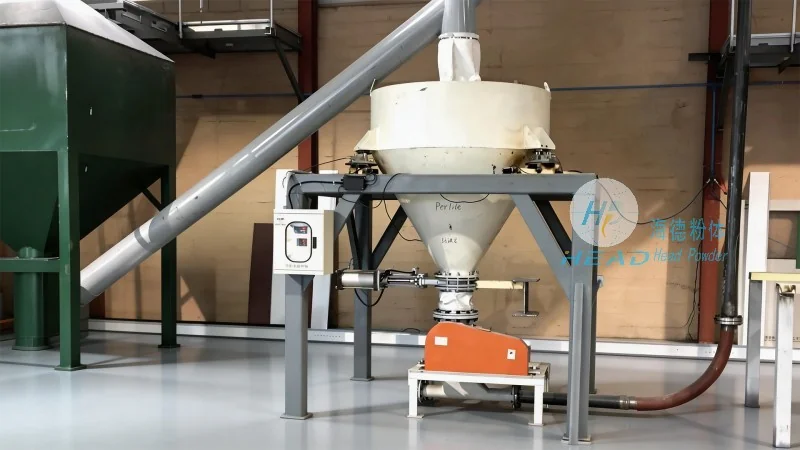
Key Features of Magnesium Silicate Pneumatic Conveying Equipment
Shandong HeadPowder Engineering Co., Ltd. designs and manufactures pneumatic conveying systems tailored to the specific characteristics of magnesium silicate. The equipment is engineered with several notable features that enhance performance and durability. Firstly, the system employs a high-efficiency feeding mechanism that ensures consistent material flow, minimizing the risk of blockages or uneven transport. Secondly, the conveying line is constructed from corrosion-resistant materials, such as stainless steel, to withstand the chemical properties of magnesium silicate and prevent degradation over time. Thirdly, the equipment includes advanced filtration and cleaning systems to maintain air quality and prevent particle accumulation in the system, which is critical for long-term operational efficiency. Additionally, the design incorporates energy-efficient compressed air usage, reducing operational costs while maintaining optimal conveying performance. The equipment also features easy maintenance access points, allowing for quick inspections and repairs, which helps in minimizing downtime and extending the service life of the system.
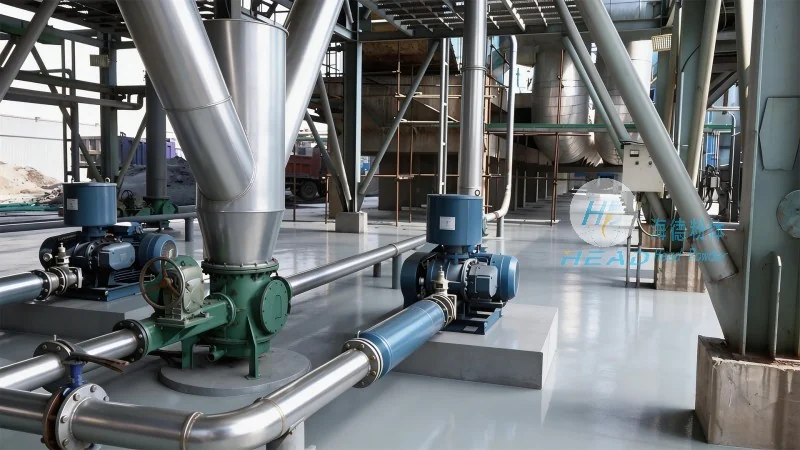
Application Considerations and Operational Benefits
When implementing magnesium silicate pneumatic conveying equipment, several factors must be considered to ensure optimal performance. The system's design should account for the material's density, particle size distribution, and moisture content, as these characteristics influence the required air velocity and system pressure. Proper sizing of the conveying line and air compressor is essential to achieve efficient material transport without excessive energy consumption. The equipment also offers significant operational benefits, including reduced labor costs due to automated material handling, minimized material contamination from non-contact transport, and improved safety by eliminating the need for manual handling of bulk materials. Furthermore, the system's compact design allows for integration into existing industrial facilities with minimal space requirements, making it a versatile solution for various production environments.
Conclusion
Magnesium silicate pneumatic conveying equipment, as developed by Shandong HeadPowder Engineering Co., Ltd., represents a reliable and efficient solution for the transportation of this essential industrial material. By understanding the working principle and leveraging the key features of these systems, industries can enhance their operational efficiency, reduce costs, and ensure consistent material handling. The equipment's design, tailored to the specific needs of magnesium silicate, ensures durability, low maintenance, and optimal performance, making it a preferred choice for modern industrial applications.