

Working Principle and Features of Grain Particle Pneumatic Conveying Systems
Grain particle pneumatic conveying systems are essential equipment in the agricultural and food processing industries, designed to efficiently transport bulk materials like grains, seeds, and other particulate commodities. These systems utilize air as the primary medium to move materials from one location to another, offering a flexible and efficient solution for various industrial applications.
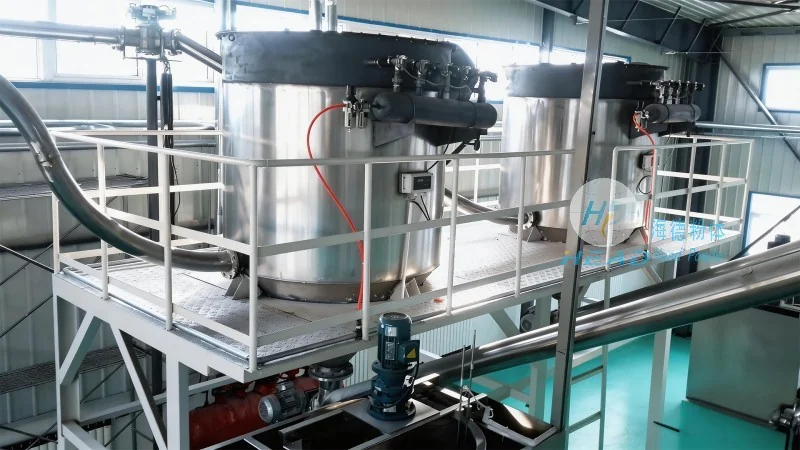
Introduction to Pneumatic Conveying Systems for Grain Particles
At Shandong HeadPowder Engineering Co., Ltd., we specialize in the design, manufacturing, and installation of advanced pneumatic conveying systems tailored for grain processing. Our systems are engineered to meet the specific needs of clients in the agricultural sector, ensuring reliable and efficient material handling while maintaining product quality and integrity.
Working Principle of Grain Particle Pneumatic Conveying Systems
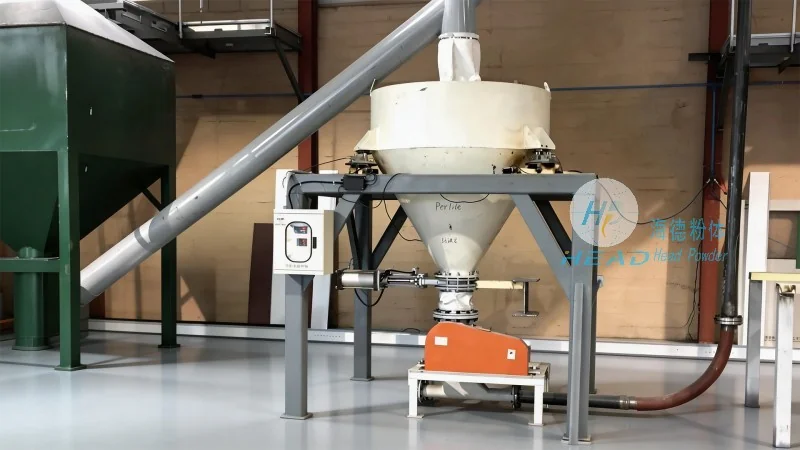
The core mechanism of a grain particle pneumatic conveying system involves the use of compressed air to create a flow that transports the material through a pipeline. The system typically consists of a hopper for material storage, an air compressor to generate the necessary air pressure, and a conveying line that transports the grain particles. The process begins when the grain is fed into the hopper, where it is then drawn into the conveying line by the moving air stream. This air flow, often referred to as the "air curtain," carries the particles along the pipeline to the destination point, such as a silo, storage bin, or processing unit.
Key components of the system include the material hopper, which holds the grain and provides a controlled feed rate; the air compressor, which supplies the high-pressure air required for conveying; and the conveying line, which is usually made of durable materials like stainless steel or plastic to withstand the abrasive nature of grain particles. The system may also incorporate additional components such as filters to remove dust and moisture, and pressure regulators to maintain consistent air pressure throughout the operation.
Key Features of Grain Particle Pneumatic Conveying Systems
Grain particle pneumatic conveying systems offer several advantages that make them a preferred choice for industrial applications. One of the primary features is their ability to handle a wide range of grain types and particle sizes, from fine powders to larger kernels, without causing damage or degradation to the product. This flexibility is crucial for processing facilities that deal with diverse agricultural products.
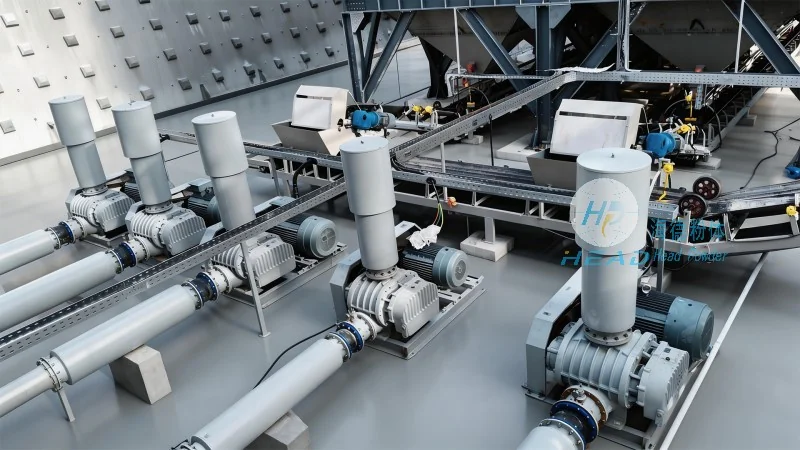
Another significant feature is the system's dust-free operation. Unlike traditional mechanical conveying methods, which can generate significant dust and airborne particles, pneumatic systems operate with minimal dust emission, contributing to a cleaner and safer working environment. This is particularly important in food processing facilities where hygiene and product purity are paramount.
Efficiency and cost-effectiveness are also notable features. Pneumatic conveying systems can transport materials over long distances with minimal energy consumption compared to other methods like truck or rail transport. The system's ability to handle continuous, high-volume material flow reduces labor costs and increases overall productivity in the processing plant. Additionally, the compact design of these systems allows for easy integration into existing facilities, minimizing the need for extensive construction or modifications.
Applications and Benefits in Grain Processing
Grain particle pneumatic conveying systems are widely used in various stages of grain processing, from storage and handling to transportation to processing units. In storage facilities, these systems help move grain from storage silos to processing lines, ensuring a steady supply of raw materials. During processing, they can transport grain to milling or cleaning equipment, facilitating the production of flour, feed, or other grain products.
The benefits of using pneumatic conveying systems extend beyond efficiency and cost savings. The gentle handling of grain particles reduces breakage and damage, which is critical for maintaining product quality and market value. This is especially important for high-value grains like wheat or specialty seeds, where even minor damage can affect the final product's quality and price.
Furthermore, the systems contribute to improved safety in the workplace. By reducing dust and airborne particles, they minimize the risk of respiratory issues and other health hazards associated with handling bulk materials. This makes them an ideal choice for facilities that prioritize employee safety and compliance with health regulations.
Customization and Reliability from HeadPowder
At Shandong HeadPowder Engineering Co., Ltd., we understand that each grain processing facility has unique requirements. Our team of engineers and technicians works closely with clients to design customized pneumatic conveying systems that meet their specific operational needs. We consider factors such as the type of grain, the distance of transport, the required flow rate, and the available space to develop a solution that is both efficient and cost-effective.
Our systems are built with high-quality materials and components to ensure long-term reliability and minimal maintenance. We use durable stainless steel for the conveying lines and hoppers, which are resistant to corrosion and wear from grain particles. The air compressors and other critical components are selected for their efficiency and durability, ensuring consistent performance over extended periods.
We also provide comprehensive after-sales support, including installation, training, and maintenance services. Our goal is to ensure that our clients can operate their pneumatic conveying systems with confidence, knowing that they are backed by a reliable and experienced team. With our expertise and commitment to quality, we help grain processing facilities achieve optimal performance and maintain a competitive edge in the market.