

What is a Powdered Electrolyte Powder Pneumatic Conveying Equipment? What Are Its Design Principles?
Pneumatic conveying systems are widely used in industrial applications to transport bulk materials, including powdered electrolytes, which are crucial in various sectors such as battery manufacturing, chemical processing, and material handling. The equipment designed for this purpose, known as powdered electrolyte powder pneumatic conveying equipment, plays a vital role in ensuring efficient and reliable material transport. This article aims to explore what this equipment entails and the underlying design principles that make it effective.
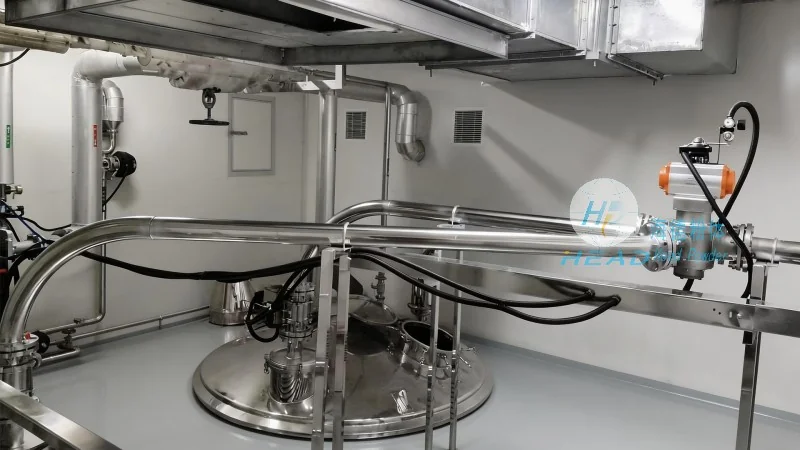
The core of a powdered electrolyte powder pneumatic conveying system consists of several key components, including a material hopper, a conveying line, a blower or compressor, and a receiver. The material hopper is where the powdered electrolyte is stored and fed into the system. As the material is drawn into the conveying line by the air flow generated by the blower, it is transported to the receiver. The design of each component is critical to the overall performance and efficiency of the system.
One of the primary design principles is the balance between air velocity and particle size. The air velocity must be sufficient to lift and transport the powder particles without causing excessive wear on the equipment or creating dust explosions. This principle is often referred to as the "critical velocity" or "minimum conveying velocity," which varies depending on the specific properties of the powdered electrolyte, such as its density, particle size distribution, and moisture content. Engineers must carefully calculate these parameters to ensure optimal operation.
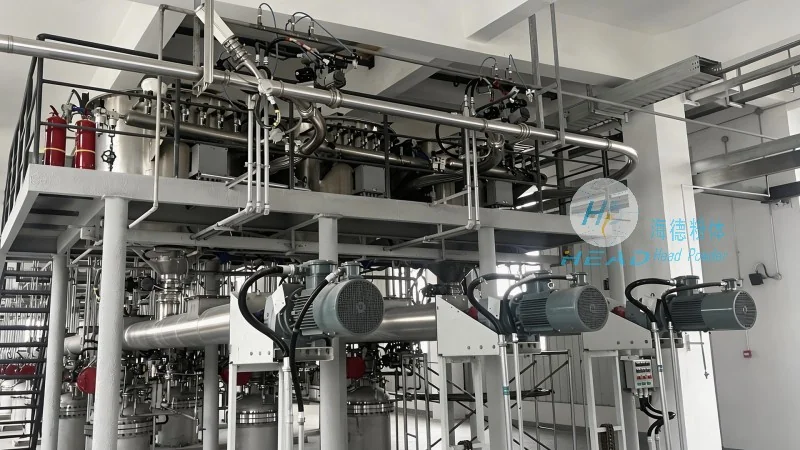
Shandong HeadPowder Engineering Co., Ltd., a leading manufacturer in the field, specializes in designing and manufacturing high-quality pneumatic conveying equipment tailored to the needs of industries dealing with powdered electrolytes. The company's expertise lies in understanding the unique challenges associated with handling such materials, including their reactivity and the need for precise control over the conveying process.
The powdered electrolyte powder pneumatic conveying equipment offers several advantages over traditional methods like belt conveyors or bucket elevators. These include reduced risk of material contamination, lower maintenance costs due to fewer moving parts, and the ability to transport materials over longer distances without the need for intermediate storage. Additionally, the system can be easily integrated with other processing equipment, enhancing overall production efficiency.
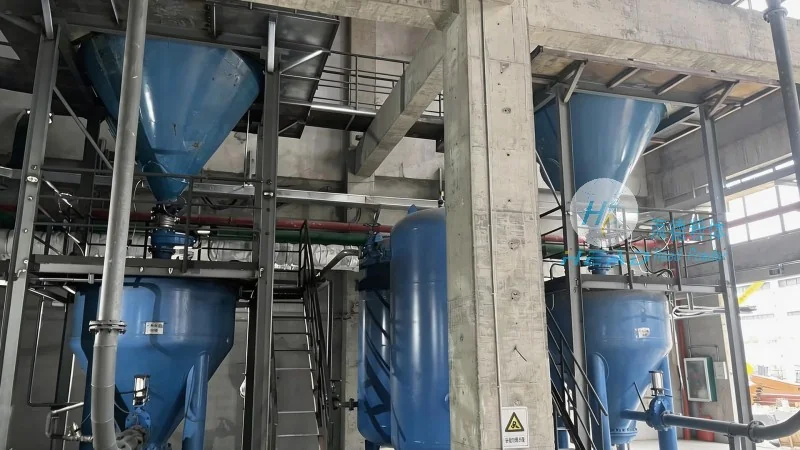
Another important design principle is the prevention of material degradation and caking. Powdered electrolytes are often hygroscopic, meaning they can absorb moisture from the air, leading to clumping and blockages in the conveying line. To address this, the equipment may include features such as drying sections or moisture control systems. The design also considers the need for dust control, as many powdered materials are hazardous if inhaled. Proper filtration and enclosure systems are incorporated to ensure a safe working environment.
In conclusion, the powdered electrolyte powder pneumatic conveying equipment is a sophisticated system that combines engineering principles with practical application to efficiently transport bulk materials. The design principles, including air velocity control, material compatibility, and safety measures, are crucial for ensuring the system operates reliably and safely. Companies like Shandong HeadPowder Engineering Co., Ltd. continue to innovate in this field, providing tailored solutions that meet the specific requirements of their clients in the battery and chemical industries.