

What is Vanadium Oxide Powder Pneumatic Conveying? And What Are Its Design Principles?
Vanadium oxide powder pneumatic conveying is a critical technology in material handling, particularly for handling fine powders like vanadium oxide. This method involves transporting powder through a pipeline using air or other gas as the conveying medium. Understanding the principles behind this technology is essential for optimizing industrial processes and ensuring efficient material transport.
What is Pneumatic Conveying?
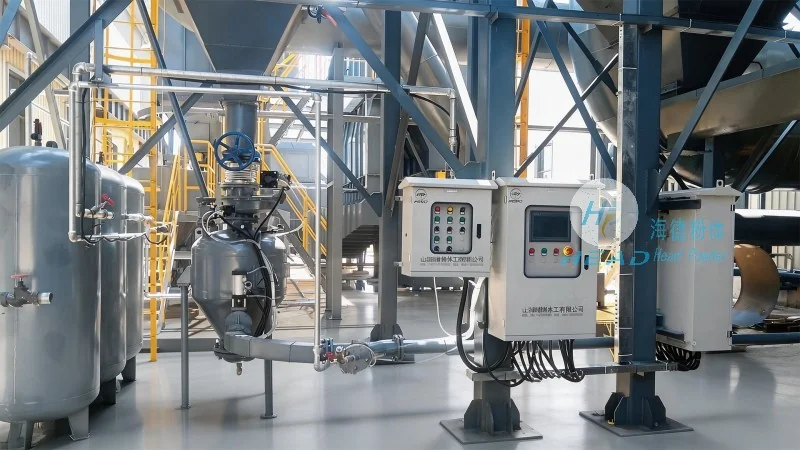
Pneumatic conveying, also known as pneumatic transport, is a system that uses pressurized air or vacuum to move bulk materials through a closed pipeline. In the case of vanadium oxide powder, this technology is used to transport the fine particles from a storage silo or processing unit to a destination such as a reactor or storage tank. The process typically involves creating a flow of air that pulls or pushes the powder particles through the pipeline, depending on the system design.
Key Components of a Pneumatic Conveying System
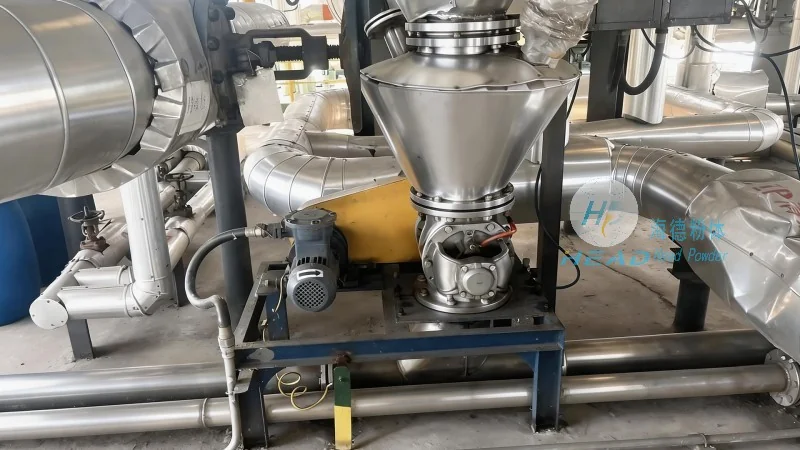
A typical pneumatic conveying system for vanadium oxide powder includes several key components. These include a hopper or feeder to control the flow of powder, a conveying line (pipeline) where the powder is transported, a blower or compressor to generate the air flow, and a receiver or discharge unit where the powder is deposited. Each component plays a crucial role in ensuring the efficient and safe operation of the system.
Design Principles for Vanadium Oxide Powder Pneumatic Conveying
The design of a pneumatic conveying system for vanadium oxide powder must consider several factors to ensure optimal performance. First, the particle size and density of the vanadium oxide powder are critical. Fine particles require higher air velocities to prevent clogging and ensure smooth transport. The system design must also account for the material's reactivity and potential for dust explosion, as vanadium oxide can be a hazardous material under certain conditions.
Second, the system must be designed to handle the specific flow characteristics of vanadium oxide powder. This includes considering the powder's flowability, which can be affected by moisture content and agglomeration. Proper design of the hopper and feeder ensures that the powder is released smoothly and consistently, preventing blockages and ensuring a stable flow rate.
Advantages of Pneumatic Conveying for Vanadium Oxide Powder
There are several advantages to using pneumatic conveying for vanadium oxide powder. One of the primary benefits is the ability to transport the powder in a closed system, which helps to prevent contamination and exposure to the environment. This is particularly important for vanadium oxide, which can be toxic or reactive. Additionally, pneumatic conveying can be more energy-efficient than other methods, such as mechanical conveying, especially for long-distance transport.
Applications in Industrial Settings
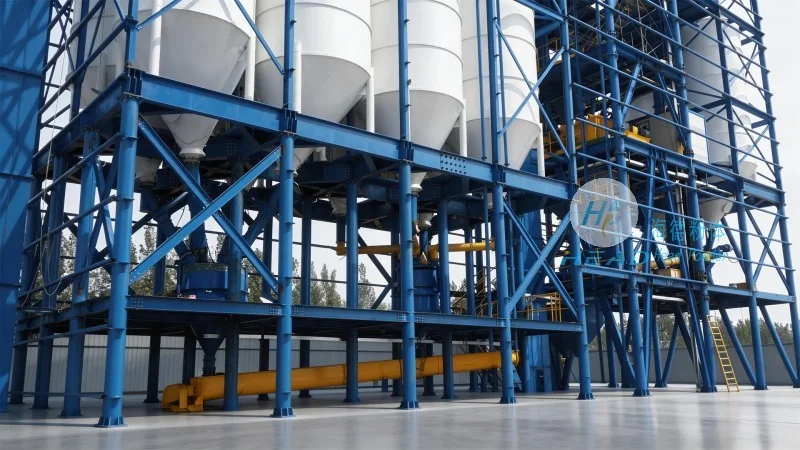
Vanadium oxide powder pneumatic conveying is widely used in various industrial applications, including the production of vanadium compounds, catalysts, and other materials. In these applications, the system must be designed to handle the specific requirements of each process, such as temperature control and material purity. The ability to transport the powder in a controlled manner ensures that the final product meets the required specifications.
Conclusion
Vanadium oxide powder pneumatic conveying is a sophisticated technology that plays a vital role in modern industrial processes. By understanding the design principles and key components of such a system, manufacturers can optimize their operations and ensure the safe and efficient transport of vanadium oxide powder. The technology's advantages, including closed system operation and energy efficiency, make it an attractive choice for industries dealing with fine powders.