

What is Sugar Powder Pneumatic Conveying? And What Are Its Design Principles?
For industries dealing with bulk solid materials like sugar, efficient and reliable material handling is crucial. Pneumatic conveying, particularly for sugar powder, offers a solution that minimizes product contamination, reduces labor costs, and enhances overall operational efficiency. This article explores the concept of sugar powder pneumatic conveying, delving into its design principles and the technology behind it.
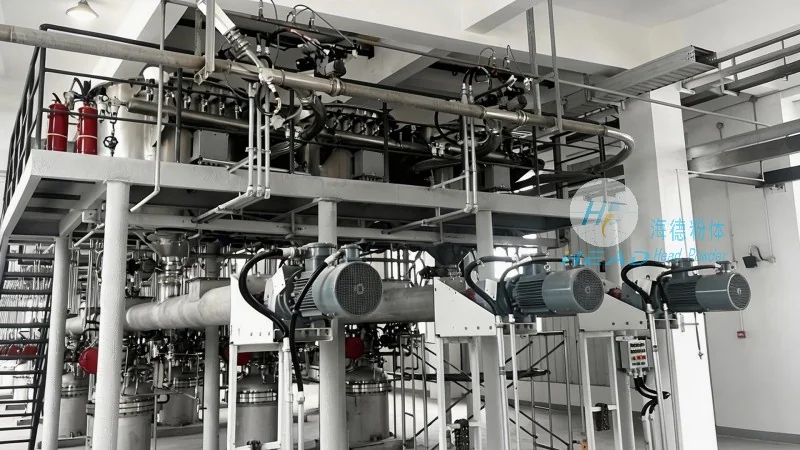
HeadPowder, a leading engineering firm based in Shandong, China, specializes in the design and implementation of advanced pneumatic conveying systems tailored for the food and chemical industries. With a strong focus on precision and safety, HeadPowder’s solutions are engineered to meet the stringent requirements of handling sensitive materials such as sugar, ensuring optimal performance and durability.
Understanding Pneumatic Conveying Systems
Pneumatic conveying is a method of transporting bulk materials through a pipeline using a gas stream, typically air. Unlike mechanical conveying systems, which rely on mechanical components like belts or screws, pneumatic systems use pressure or vacuum to move materials. This approach is particularly advantageous for sugar powder, as it avoids direct contact with metal parts, preventing contamination and maintaining product quality.
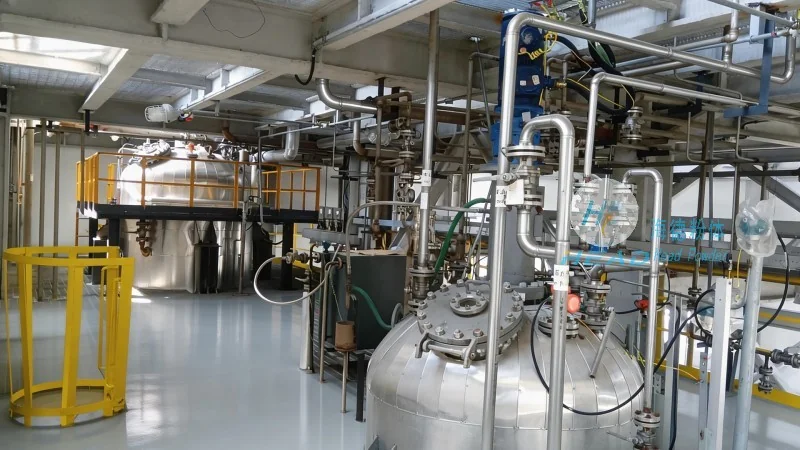
Design Principles for Sugar Powder Conveying Systems
The design of a sugar powder pneumatic conveying system involves several critical principles aimed at ensuring efficient and safe operation. These principles include selecting the appropriate conveying velocity, determining the optimal pressure or vacuum levels, and designing the system layout to minimize material degradation and energy consumption. Engineers at HeadPowder carefully analyze factors such as material properties, flow rates, and system constraints to develop customized solutions that meet specific operational needs.
Key Components and Their Function in Pneumatic Conveying
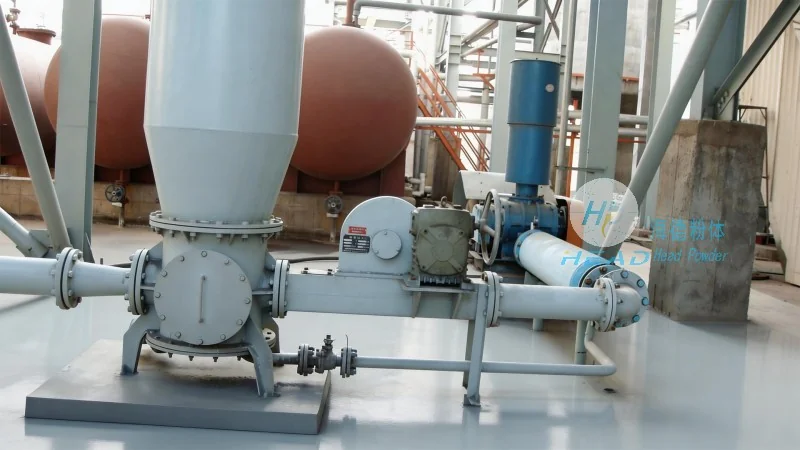
Key components in a pneumatic conveying system for sugar powder include the hopper, feeder, conveying line, and receiver. The hopper stores the sugar powder and provides a consistent feed to the system. The feeder regulates the flow rate, ensuring a steady supply of material to the conveying line. The conveying line, often made of stainless steel to prevent corrosion and contamination, transports the sugar powder using air pressure or vacuum. The receiver collects the conveyed material and may include features like a dust collection system to maintain cleanliness.
Applications of Pneumatic Conveying in the Sugar Industry
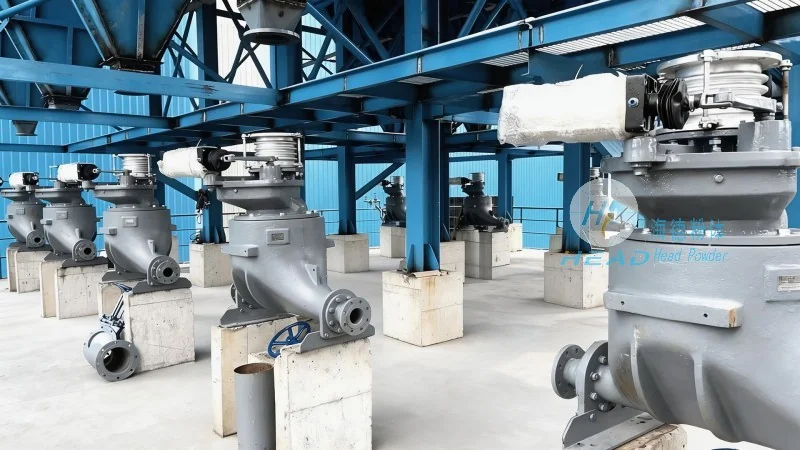
In the sugar industry, pneumatic conveying is widely used in various processes, including raw material handling, processing, and packaging. For example, in sugar refineries, pneumatic systems efficiently transport raw sugar from storage silos to processing equipment, reducing the risk of product spoilage and improving workflow efficiency. Similarly, in sugar packaging facilities, pneumatic conveying ensures that sugar is delivered to packaging lines without the need for manual handling, enhancing safety and productivity.
Benefits of Using Pneumatic Conveying for Sugar Powder Handling
Implementing a pneumatic conveying system for sugar powder offers several benefits. Firstly, it reduces product contamination by eliminating direct contact with mechanical parts, which is essential for maintaining the quality and safety of food-grade materials. Secondly, it minimizes labor costs by automating the material handling process, allowing workers to focus on other critical tasks. Thirdly, pneumatic systems are more energy-efficient compared to traditional mechanical conveying methods, leading to lower operational costs over time. Additionally, the compact design of pneumatic systems allows for easier integration into existing facilities, making them a practical solution for both new and retrofit projects.
Conclusion
Sugar powder pneumatic conveying is a sophisticated and effective method for handling bulk materials in the food industry. By adhering to sound design principles and leveraging advanced engineering solutions, such as those offered by HeadPowder, companies can achieve reliable, efficient, and safe material handling. The technology not only improves operational performance but also enhances product quality and safety, making it an indispensable tool for modern sugar processing facilities.