

What is a Rice Husk Ash Material Handling System Equipment? And What Are Its Design Principles?
Rice husk ash, a byproduct of rice processing, is widely utilized in construction and other industries due to its unique properties. To efficiently handle and transport this material, specialized equipment is essential. This article explores the rice husk ash material handling system equipment and its underlying design principles, providing insights into how such systems are engineered for optimal performance.
Understanding the Rice Husk Ash Material Handling System Equipment
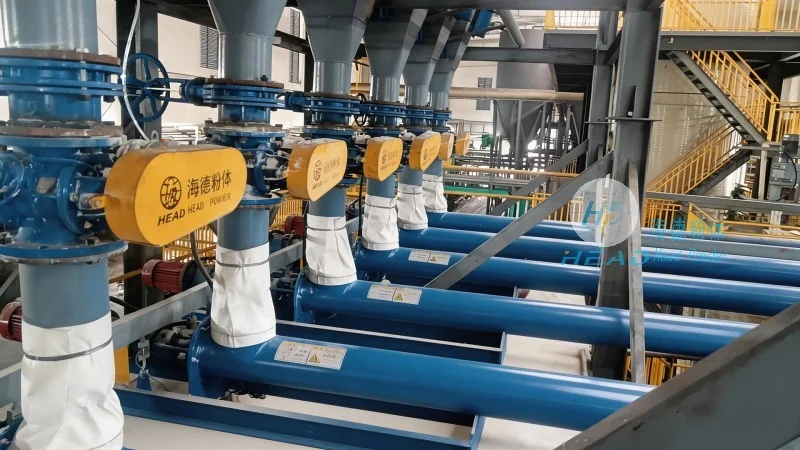
The rice husk ash material handling system equipment is a specialized setup designed to manage the storage, transfer, and processing of rice husk ash. This equipment typically includes components like hoppers, conveyors, and control systems, all tailored to handle the specific characteristics of rice husk ash, such as its lightweight nature and potential dust generation. The system is engineered to ensure safe and efficient operation, minimizing the risk of material spillage or equipment damage.
Key Components of the Material Handling System
At the core of the rice husk ash material handling system are several critical components that work in tandem to facilitate smooth material flow. The hoppers, often made of durable materials like stainless steel or high-density polyethylene, are designed to store large quantities of rice husk ash while preventing contamination. These hoppers are equipped with feeding mechanisms, such as rotary valves or screw conveyors, which regulate the discharge of material into the subsequent conveying system. The conveyors, which may include belt conveyors, screw conveyors, or pneumatic conveyors, are selected based on the material's properties and the desired transport distance. For example, belt conveyors are commonly used for horizontal or slight incline transport due to their high load capacity and low maintenance requirements, while screw conveyors are ideal for vertical or inclined transport due to their ability to handle bulk materials with minimal space constraints. Pneumatic conveyors, on the other hand, are suitable for fine or dusty materials like rice husk ash, as they can transport material through pipes using air pressure, reducing the need for mechanical parts and minimizing material degradation.
Design Principles for Efficient Material Handling
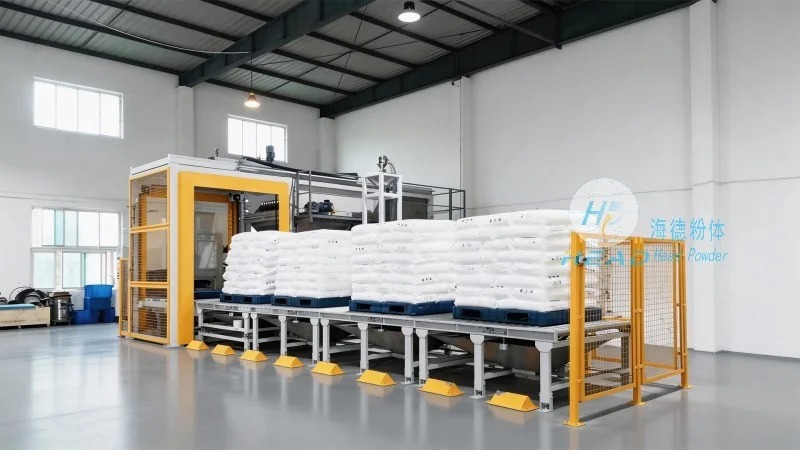
The design of a rice husk ash material handling system follows several key principles aimed at maximizing efficiency, safety, and durability. First, the system is designed to minimize material degradation and dust generation. This is achieved through the use of sealed hoppers and enclosed conveyor systems, which prevent exposure to the environment and reduce the risk of dust inhalation or material loss. Second, the system is engineered for easy maintenance and cleaning. Components like hoppers and conveyors are designed with removable parts and easy access points, allowing for quick cleaning and replacement of worn parts. Third, the system is optimized for energy efficiency. The selection of conveyor types and motor sizes is based on the material's characteristics and the required throughput, ensuring that energy consumption is minimized without compromising performance. Fourth, the system is designed with safety in mind. Features such as emergency stop buttons, overload protection, and material flow monitoring are integrated to prevent accidents and ensure the safety of operators. Finally, the system is designed for scalability and adaptability. The modular design allows for easy expansion or modification of the system to accommodate changes in production volume or material types, ensuring long-term usability.
Application of the System in Industrial Settings
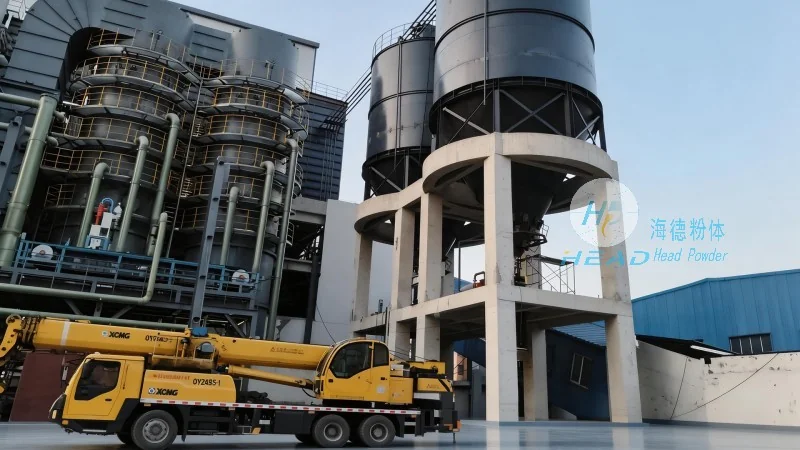
The rice husk ash material handling system equipment is widely used in various industrial settings, particularly in the construction and agricultural sectors. In construction, rice husk ash is used as a lightweight aggregate in concrete, insulation materials, and other building products. The material handling system ensures that the rice husk ash is transported efficiently from storage to processing facilities, where it is mixed with other materials to produce high-quality products. In the agricultural sector, rice husk ash is used as a soil amendment, fertilizer, or animal feed. The system helps farmers and agricultural companies to handle and transport large quantities of rice husk ash, making it more accessible for use in their operations. Additionally, the system is used in power plants and other industrial facilities that generate rice husk ash as a byproduct, ensuring that the material is properly handled and disposed of or reused.
Conclusion
In conclusion, the rice husk ash material handling system equipment is a critical component in the efficient management of rice husk ash. By understanding the design principles and key components of such systems, industries can optimize their material handling processes, improve safety, and enhance overall productivity. The system's ability to handle the unique properties of rice husk ash, such as its lightweight nature and dust generation, makes it an essential tool for various applications. As the demand for rice husk ash increases, the importance of efficient material handling systems will only grow, making it a vital investment for companies operating in the rice processing and related industries.