

What is a Calcium Phosphate Material Handling System Equipment? What Are Its Design Principles?
Calcium phosphate material handling systems are specialized equipment designed to transport and manage calcium phosphate materials efficiently and safely. These systems are crucial in industries such as pharmaceuticals, food processing, and chemical manufacturing, where the handling of calcium phosphate powders and granules requires precision and control. Understanding the equipment and its design principles is essential for optimizing production processes and ensuring product quality.
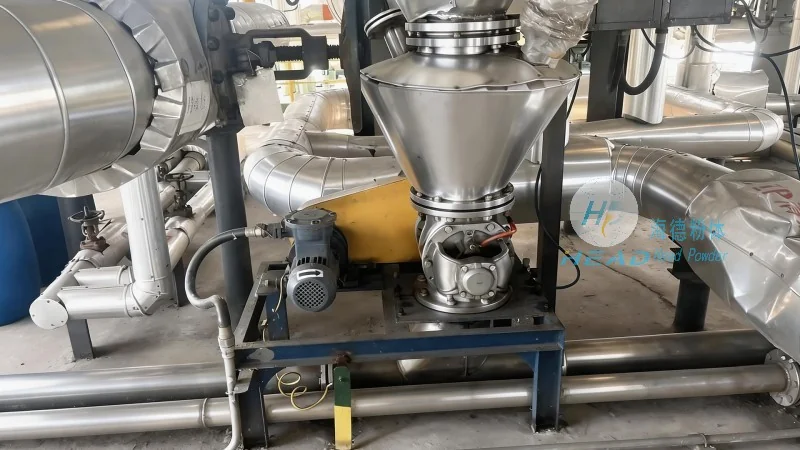
Introduction to Calcium Phosphate Material Handling Systems
A calcium phosphate material handling system typically consists of several key components, including feeders, conveyors, storage silos, and control systems. The primary function of these systems is to move calcium phosphate materials from one location to another within a facility, ensuring a continuous and smooth flow of material. The design of such systems must consider the physical properties of calcium phosphate, including its particle size, density, and flow characteristics, as well as the operational requirements of the end-user.
Key Components and Their Roles
1. Feeders: Feeders are used to regulate the flow of calcium phosphate material from storage silos or hoppers into the conveyor system. Common types include rotary feeders, vibratory feeders, and screw feeders, each designed to handle different material characteristics. For calcium phosphate, which can be prone to bridging or caking, a feeder with adjustable speed and torque is often preferred to maintain consistent material flow.
2. Conveyors: Conveyors are the core of the material handling system, responsible for transporting the material over long distances or between different processing stages. Belt conveyors, chain conveyors, and pneumatic conveyors are commonly used, with the choice depending on the material's properties and the system's layout. For calcium phosphate, which is often a fine powder, a belt conveyor with a smooth surface or a pneumatic conveyor might be more suitable to prevent material buildup and ensure efficient transport.
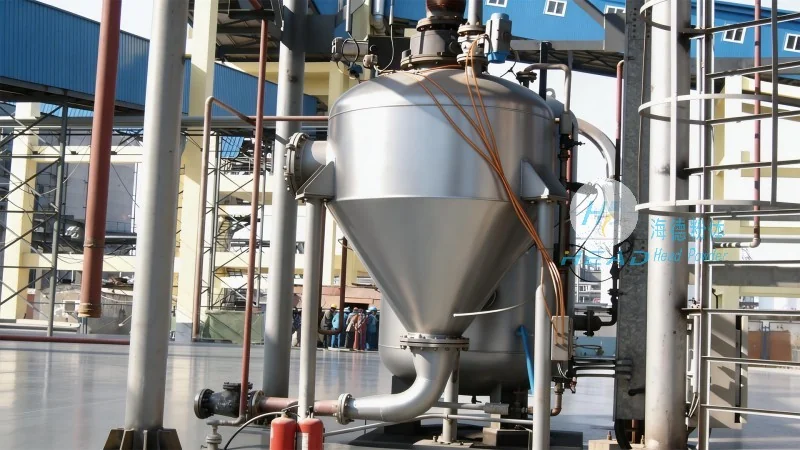
3. Storage Silos: Storage silos are used to store large quantities of calcium phosphate material, providing a buffer between production and processing. The design of the silo must consider the material's flow characteristics to prevent issues like bridging or rat-holing. A properly designed silo will have a conical bottom and possibly a discharge aid, such as a cone or a rotary valve, to ensure material flows smoothly out of the silo.
4. Control Systems: Modern material handling systems are equipped with advanced control systems that monitor and regulate the flow of material. These systems use sensors and automation to adjust feeder speeds, conveyor speeds, and other parameters in real-time, ensuring optimal performance and preventing overloading or underloading of equipment. For calcium phosphate, which can be sensitive to moisture or temperature changes, a control system that maintains consistent conditions is crucial to preserve material quality.
Design Principles for Calcium Phosphate Material Handling
The design of a calcium phosphate material handling system follows several key principles to ensure efficiency, safety, and reliability. First, the system must be designed to handle the specific physical properties of calcium phosphate, such as its particle size distribution, bulk density, and flowability. This involves selecting appropriate equipment components and ensuring proper maintenance to prevent material degradation or equipment failure.
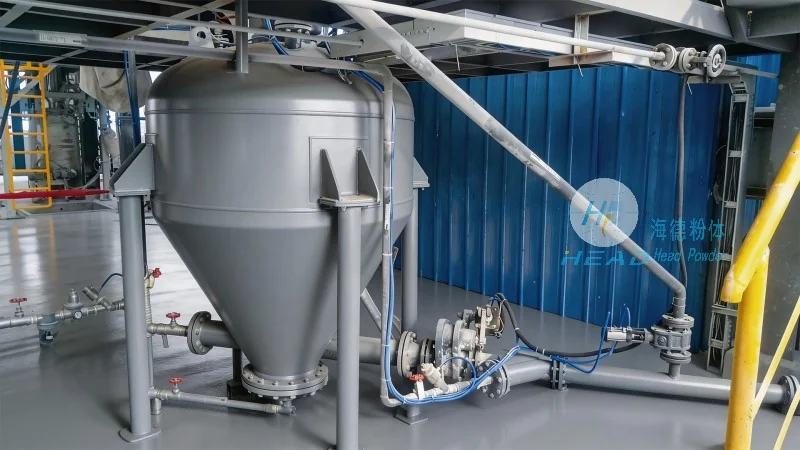
Second, the system must be designed for scalability and flexibility. As production needs change, the material handling system should be able to adapt to new requirements without significant modifications. This includes the ability to integrate additional components, such as new feeders or conveyors, or to adjust the system's capacity to meet increased demand.
Third, safety is a critical consideration in the design of any material handling system. Calcium phosphate, while generally non-toxic, can cause respiratory issues if inhaled in large quantities. Therefore, the system must include features such as dust collection systems, enclosed conveyor sections, and proper ventilation to minimize exposure risks. Additionally, the system should be designed to prevent accidental release of material, which could lead to environmental contamination or operational disruptions.
Fourth, the system must be designed for ease of maintenance and cleaning. Calcium phosphate can adhere to equipment surfaces, making it difficult to clean and maintain. The design should include features such as easy access to components, removable parts, and cleaning mechanisms to ensure the system remains in good working condition over time. Regular maintenance is essential to prevent clogging, wear, and tear, which can reduce system efficiency and increase downtime.
Applications and Benefits
Calcium phosphate material handling systems are widely used in various industries due to their ability to handle calcium phosphate materials efficiently and safely. In the pharmaceutical industry, these systems are used to transport calcium phosphate as an excipient or active ingredient in drug formulations. The precision and control provided by the system ensure that the material is delivered to the next processing stage in the correct quantity and quality, which is critical for maintaining product consistency and meeting regulatory requirements.
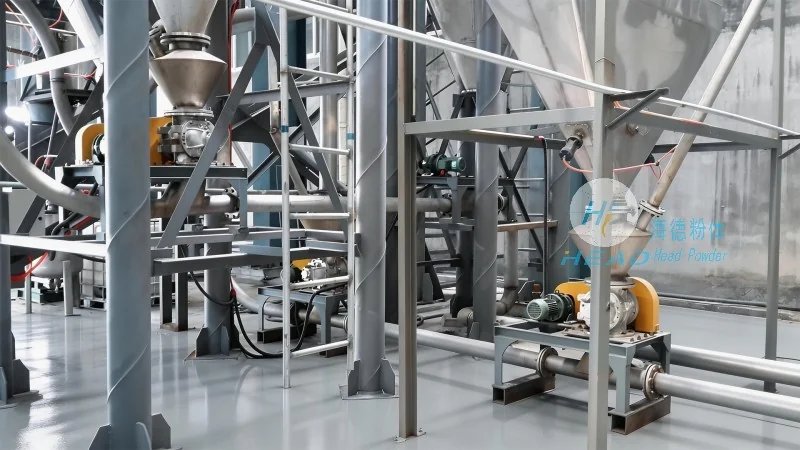
In the food processing industry, calcium phosphate is used as a food additive, and the material handling system ensures that it is transported safely and hygienically. The system's design, including enclosed conveyor sections and proper cleaning procedures, helps maintain the high standards required for food production. This not only ensures product safety but also enhances the overall quality of the final food product.
In the chemical manufacturing industry, calcium phosphate is used as a raw material in the production of various chemicals and fertilizers. The material handling system's ability to handle large quantities of material efficiently supports the high-volume production requirements of the industry. The system's reliability and durability also contribute to cost savings by reducing downtime and maintenance costs.
Conclusion
Calcium phosphate material handling systems are essential equipment for industries that rely on calcium phosphate materials. The design of these systems must consider the unique properties of calcium phosphate, including its flow characteristics and potential for caking or bridging. By incorporating appropriate components and following key design principles, such as scalability, safety, and ease of maintenance, these systems can provide efficient and reliable material transport. The companies that specialize in manufacturing and supplying these systems, such as Shandong HeadPowder Engineering Co., Ltd., play a crucial role in supporting the needs of industries that use calcium phosphate materials.