

What is Maltose Material Handling Equipment? And What Are Its Design Principles?
Understanding maltose material handling equipment is crucial for industries dealing with this specific type of sugar, as efficient equipment can significantly enhance production processes and ensure product quality. This article will explore the nature of such equipment and delve into its core design principles.
Introduction to Maltose Material Handling Equipment
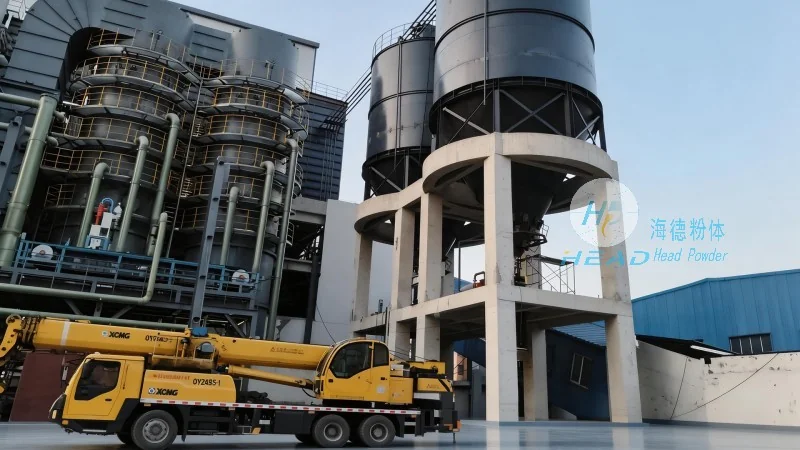
Maltose, a disaccharide composed of two glucose units, is widely used in the food, beverage, and pharmaceutical industries. The handling of maltose requires specialized equipment to manage its physical properties, such as its granular or crystalline form, and to ensure safe and efficient transfer from one stage of production to another. Maltose material handling equipment is designed to address these challenges, providing solutions that maintain product integrity and operational efficiency.
About HeadPowder: Your Trusted Partner in Material Handling Solutions
HeadPowder, or Shandong HeadPowder Engineering Co., Ltd., is a leading manufacturer and supplier of industrial material handling equipment. With operations based in Shandong, China, the company specializes in creating customized solutions tailored to the unique needs of clients in various sectors. HeadPowder's expertise lies in understanding the specific requirements of materials like maltose and developing equipment that meets both functional and safety standards.
Design Principles of Maltose Material Handling Equipment
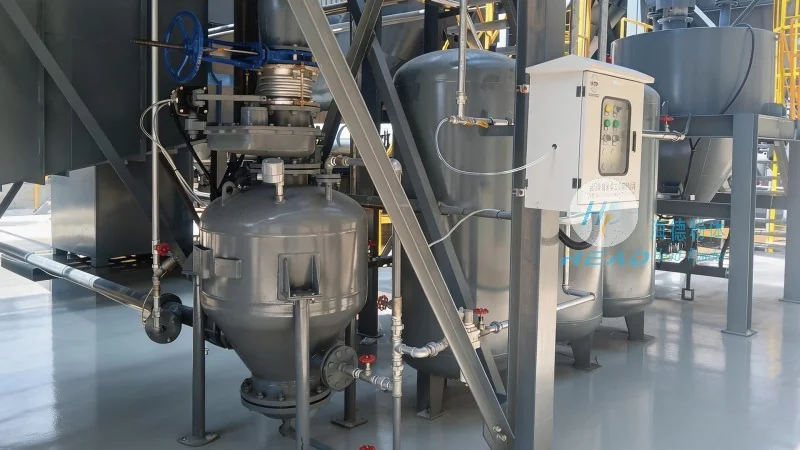
The design of maltose material handling equipment is guided by several key principles aimed at optimizing performance and ensuring reliability. First, the equipment must be constructed from materials that are compatible with maltose and resistant to corrosion or contamination. Common materials include stainless steel, which is non-reactive and easy to clean, making it ideal for food and pharmaceutical applications. Second, the design must minimize product degradation, as maltose can be sensitive to moisture, temperature fluctuations, and mechanical stress. This involves using gentle handling mechanisms, such as belt conveyors or rotary valves, to prevent breakage or clumping of the granules.
Third, the equipment must ensure accurate and controlled flow of maltose. This is achieved through the integration of sensors and control systems that monitor the material level and adjust the flow rate as needed. For example, a variable-speed drive on a conveyor belt can maintain a consistent feed rate, preventing overloading or underfeeding that could affect downstream processes. Fourth, safety is a paramount consideration in the design. Equipment must include features like emergency stop buttons, protective guards, and dust collection systems to protect operators and maintain a clean working environment. These principles collectively ensure that the equipment not only moves maltose efficiently but also maintains its quality and meets regulatory requirements.
Key Features and Functional Aspects
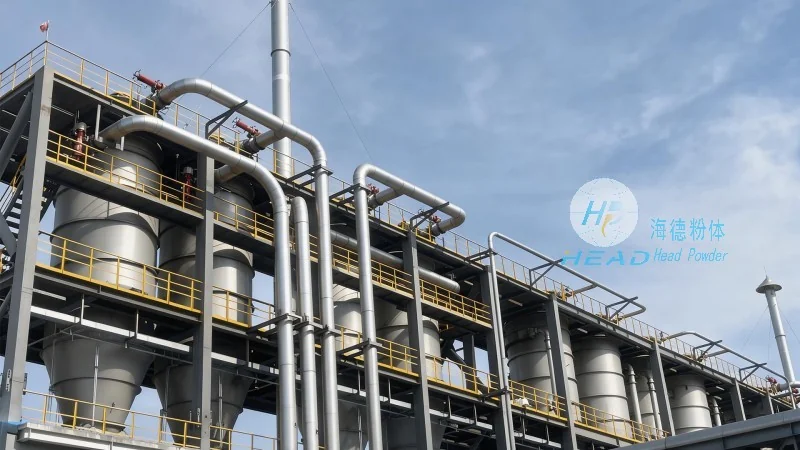
Maltose material handling equipment typically includes several key components that work together to achieve optimal performance. These may include feeders, conveyors, storage silos, and transfer systems. Feeders, such as screw feeders or vibratory feeders, are used to control the flow of maltose from storage bins to processing equipment. Conveyors, including belt conveyors or bucket elevators, transport the material horizontally or vertically. Storage silos are designed to hold large quantities of maltose and may include agitators to prevent caking or bridging. Transfer systems, like rotary valves or pneumatic conveyors, facilitate the movement of maltose between different parts of the facility.
Each component is engineered to handle the specific characteristics of maltose. For instance, screw feeders are often preferred for their ability to provide a consistent, controlled flow, which is critical for maintaining the quality of the final product. Belt conveyors are used for longer horizontal distances and can be equipped with cleaning mechanisms to prevent product buildup. Rotary valves are commonly used as a final control point before the material enters processing equipment, ensuring a precise and uniform feed rate. These features collectively contribute to the overall efficiency and reliability of the material handling system.
Applications and Industry Relevance
Maltose material handling equipment is widely used in various industries where maltose is a key ingredient. In the food industry, it is used in the production of baked goods, beverages, and confectionery products. The equipment ensures that maltose is delivered to mixing and processing equipment in the correct quantities and at the right time, contributing to consistent product quality. In the beverage industry, maltose is used as a sweetener and flavor enhancer, and the handling equipment must maintain its purity and prevent contamination. In the pharmaceutical industry, maltose is used as a sweetener in medications and supplements, and the equipment must meet stringent hygiene and safety standards to ensure the final product is safe for consumption.
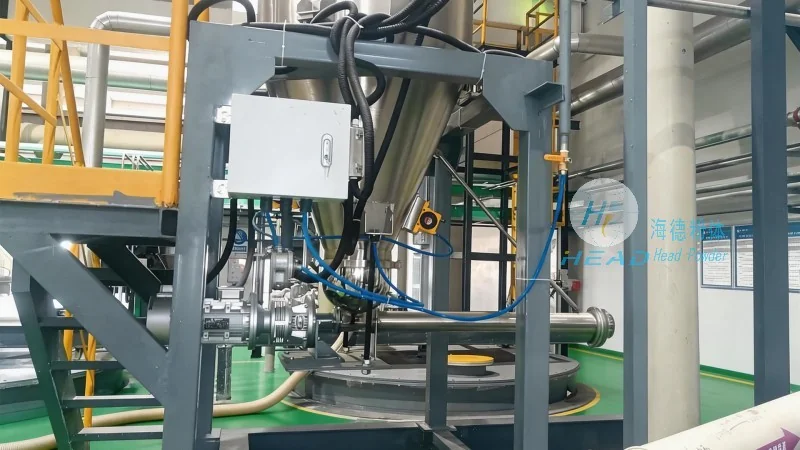
The versatility of maltose material handling equipment makes it suitable for a range of applications, from small-scale production to large industrial facilities. Whether used in a bakery, a beverage plant, or a pharmaceutical manufacturing facility, the equipment plays a vital role in ensuring that maltose is handled efficiently and safely. By adhering to the design principles outlined above, manufacturers can ensure that their equipment meets the demands of the industry and provides long-term value to their clients.
Conclusion
Maltose material handling equipment is a critical component in industries that rely on this important sugar. The design principles, materials, and features of such equipment are carefully considered to ensure efficient, safe, and reliable handling of maltose. Companies like Shandong HeadPowder Engineering Co., Ltd. play a vital role in providing these solutions, helping clients maintain product quality and operational efficiency. As the demand for maltose continues to grow, the importance of well-designed material handling equipment will only increase, making it an essential investment for any business involved in its production or use.