

What is Alumina Material Handling Equipment? What Are Its Design Principles?
Alumina, a key raw material in various industrial applications such as ceramics, chemicals, and electronics, requires specialized equipment for safe and efficient transportation. The design of alumina material handling equipment is critical to ensure optimal performance, durability, and compliance with industry standards. This article explores the fundamental aspects of such equipment and its underlying design principles, with a focus on the expertise of Shandong HeadPowder Engineering Co., Ltd., a leading manufacturer in this field.
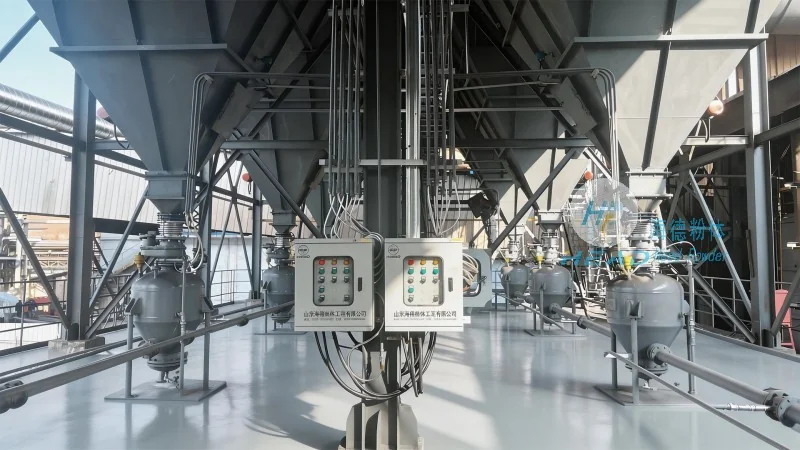
About HeadPowder: A Trusted Manufacturer
HeadPowder, or Shandong HeadPowder Engineering Co., Ltd., is a prominent company based in Shandong, China. Specializing in the design, manufacturing, and supply of industrial equipment, HeadPowder has established itself as a reliable partner for clients seeking high-quality alumina material handling solutions. The company's commitment to innovation and quality ensures that its products meet the stringent demands of the alumina processing industry.
Design Principles of Alumina Material Handling Equipment
The design of alumina material handling equipment is guided by several key principles to address the unique properties of alumina and the operational requirements of industrial processes. First, the equipment must be constructed from materials that are resistant to corrosion and wear, as alumina can be abrasive and may contain acidic or alkaline components in some applications. Common materials include stainless steel, special alloys, and corrosion-resistant coatings, which extend the equipment's service life and reduce maintenance costs.
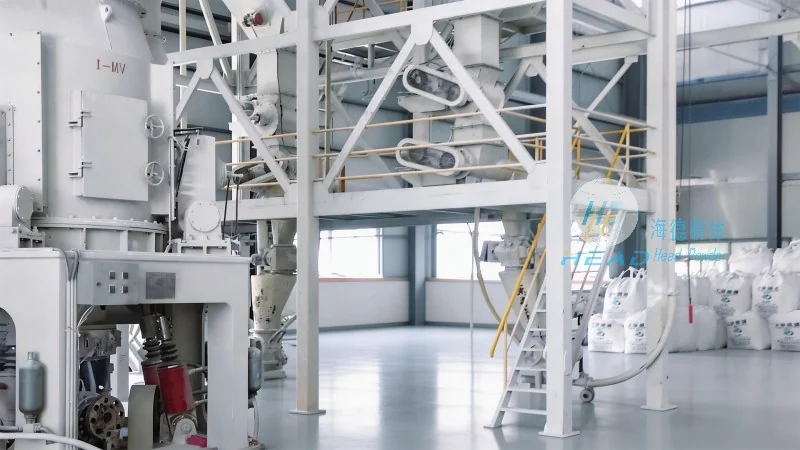
Second, the design emphasizes efficiency and reliability. Alumina handling systems often operate in continuous production environments, requiring equipment that can handle high volumes of material with minimal downtime. Features such as robust drive systems, precise control mechanisms, and durable components are integrated to ensure consistent performance. Additionally, the equipment is designed to minimize material degradation, as alumina particles are sensitive to impact and friction, which can affect their quality and downstream applications.
Third, safety and operational safety are paramount. Alumina handling equipment must comply with safety regulations to protect workers and prevent accidents. This includes features like enclosed structures to contain dust, proper ventilation systems, and emergency stop mechanisms. The design also considers ergonomic aspects, ensuring that operators can handle the equipment safely and efficiently.
Key Components and Functional Aspects
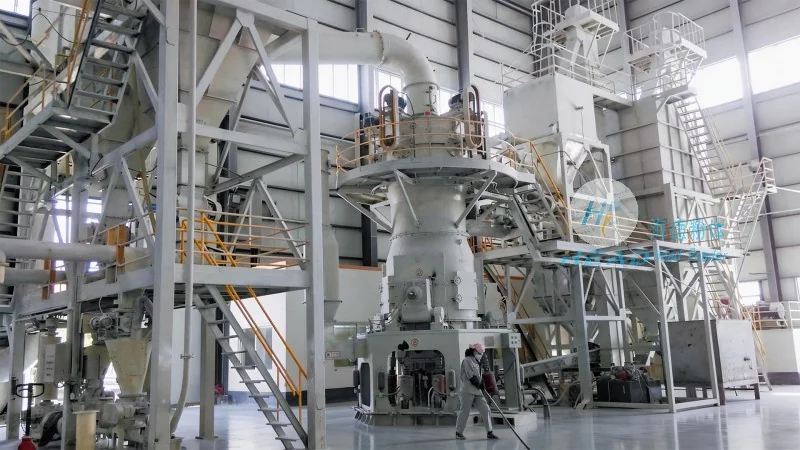
Alumina material handling equipment typically consists of several key components, each designed to perform specific functions in the material transport process. These components include feeders, conveyors, storage silos, and discharge systems. Feeders are responsible for uniformly distributing the alumina material into the conveyor system, ensuring consistent flow rates. Conveyors, such as belt conveyors or screw conveyors, transport the alumina from one location to another, often over long distances or vertical elevations. Storage silos are used to store large quantities of alumina, providing a buffer for production fluctuations and ensuring a steady supply to downstream processes.
Discharge systems, including valves and chutes, control the release of alumina from storage silos or conveyor systems, allowing for precise dosing and preventing material spillage. The integration of these components is critical to the overall efficiency of the alumina handling system. Each component is designed to work in harmony with the others, minimizing bottlenecks and maximizing throughput. For example, a well-designed feeder ensures that the conveyor receives a consistent flow of material, preventing surges or gaps that could lead to equipment damage or production delays.
Applications and Industry Impact
Alumina material handling equipment is widely used in various industries where alumina is a primary component. In the ceramics industry, for example, alumina is used to produce high-quality ceramic products, and the equipment ensures that the raw material is transported efficiently from storage to the production line. In the chemical industry, alumina is used as a catalyst or adsorbent, and the handling equipment must maintain the material's purity and prevent contamination. The electronics industry also relies on alumina for components such as substrates and capacitors, where the quality of the material is critical to the performance of the final product.
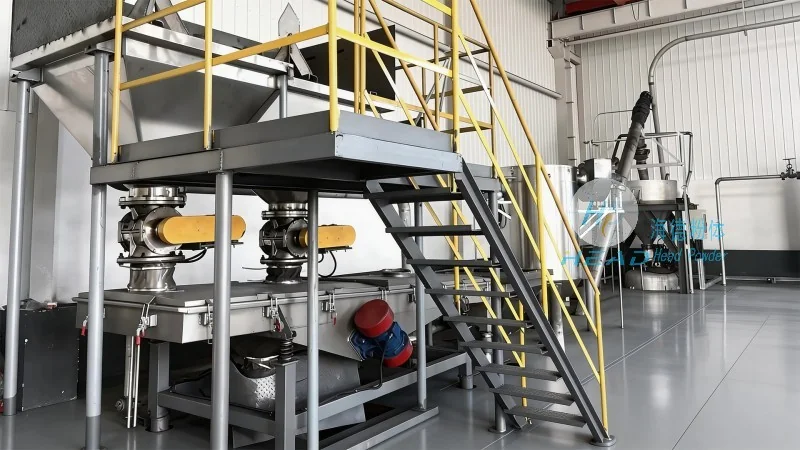
The effectiveness of alumina material handling equipment directly impacts the productivity and profitability of these industries. Efficient transport of alumina reduces production downtime, lowers maintenance costs, and improves overall operational efficiency. By ensuring that alumina is handled safely and effectively, the equipment contributes to the sustainability and competitiveness of the companies that use it.
Conclusion
Alumina material handling equipment is a vital component of industrial processes, and its design principles are tailored to the unique properties of alumina and the demands of modern manufacturing. Shandong HeadPowder Engineering Co., Ltd. plays a significant role in providing high-quality equipment that adheres to these design principles, ensuring that clients can meet their production goals while maintaining safety and efficiency. As the industry continues to evolve, the importance of well-designed alumina handling equipment will only grow, making it an essential investment for any company involved in alumina processing.