

What Are Ceramic Material Handling Equipment? And What Are Their Design Principles?
Welcome to the world of ceramic material handling equipment, a critical component in the manufacturing and processing industries. Understanding what these systems are and how they are designed is essential for optimizing production efficiency and ensuring product quality. This article provides a comprehensive overview of ceramic material handling equipment, focusing on their design principles and applications.
Understanding Ceramic Material Handling Equipment
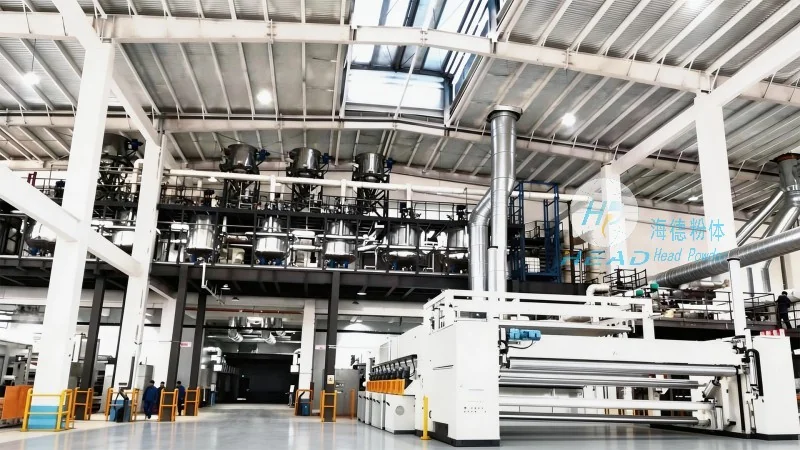
Ceramic material handling equipment refers to a range of machinery and systems engineered to transport, move, and manage ceramic materials throughout various stages of production. These materials, including raw powders, preforms, and finished products, require specialized handling due to their unique properties such as high temperature resistance, brittleness, and fine particle size. The equipment is designed to handle these materials safely and efficiently, minimizing the risk of contamination, breakage, or loss.
Key Components and Design Considerations
The design of ceramic material handling equipment involves several critical components and considerations tailored to the specific characteristics of ceramic materials. For instance, materials like ceramic powders are often abrasive and can cause wear on equipment surfaces. Therefore, equipment components such as conveyor belts, hoppers, and chutes are typically made from durable materials like stainless steel, rubber, or specialized coatings to withstand the abrasive nature of ceramic particles. Additionally, the design must account for the material's temperature sensitivity, as many ceramic processes involve high-temperature environments, requiring equipment that can operate under extreme heat conditions without degradation.
Types of Ceramic Material Handling Equipment
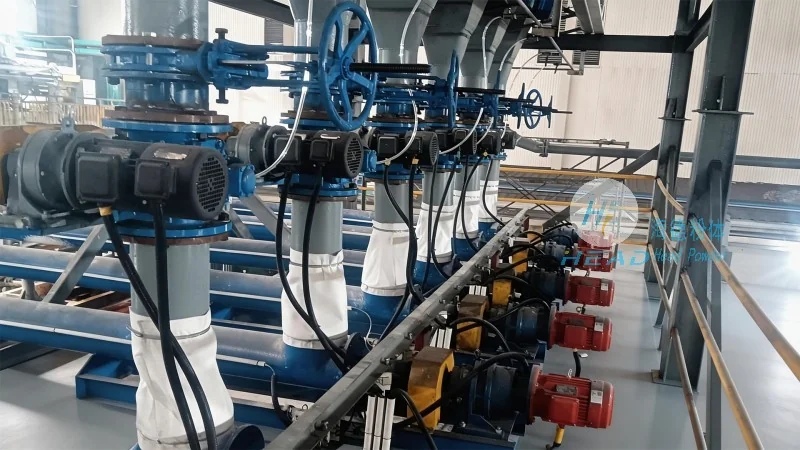
There are several types of ceramic material handling equipment, each serving different purposes in the production workflow. Conveyors, such as belt conveyors and screw conveyors, are commonly used to transport bulk ceramic materials over short to medium distances. Hoppers and feeders are essential for controlling the flow of ceramic powders into processing equipment, ensuring a consistent and controlled feed rate. Vibratory feeders and conveyors are also widely used due to their ability to handle fine powders and maintain a steady flow, which is crucial for processes like mixing and pressing.
Design Principles for Efficient Operation
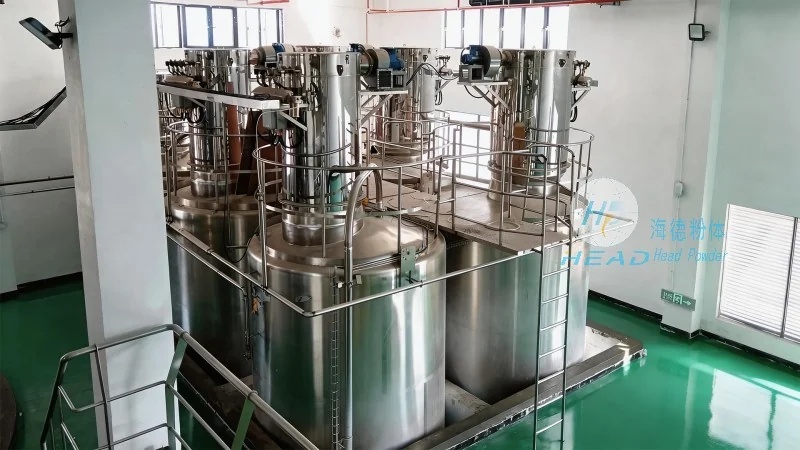
The design principles of ceramic material handling equipment prioritize efficiency, safety, and durability. One key principle is the minimization of material degradation during handling. This is achieved through smooth, low-friction surfaces and gentle handling mechanisms that prevent breakage or agglomeration of ceramic particles. Another principle is the integration of dust control systems, as ceramic powders can generate significant dust, which poses health and safety risks. Equipment often includes features like enclosed hoppers and dust collection systems to maintain a clean and safe working environment.
Applications in the Ceramic Industry
Ceramic material handling equipment is integral to various applications within the ceramic industry. In the production of ceramic tiles, for example, equipment is used to transport raw clay and glazes from storage to mixing and pressing machines. In the manufacturing of ceramic components for electronics, fine powders are handled with precision to ensure uniform particle size distribution, which directly impacts the final product's performance. The equipment also plays a role in quality control processes, where it may be used to transport samples for testing and analysis.
Maintenance and Longevity of Ceramic Material Handling Equipment
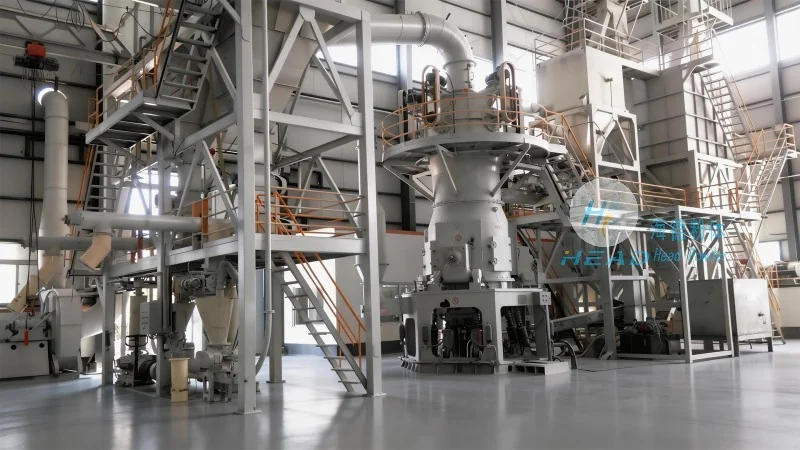
Proper maintenance is crucial for the longevity and optimal performance of ceramic material handling equipment. Regular inspections of components like conveyor belts, bearings, and seals are necessary to prevent wear and tear. Given the abrasive nature of ceramic materials, equipment may require more frequent maintenance compared to handling other materials. However, with proper maintenance, ceramic material handling equipment can provide reliable service for extended periods, ensuring consistent production output and reducing downtime.
About Shandong HeadPowder Engineering Co., Ltd.
Shandong HeadPowder Engineering Co., Ltd., commonly known as HeadPowder, is a leading manufacturer of ceramic material handling equipment. With a focus on innovation and quality, HeadPowder designs and produces equipment tailored to the specific needs of the ceramic industry. The company's products are engineered to meet the highest standards of durability, efficiency, and safety, ensuring that customers can rely on their equipment for long-term performance. HeadPowder's commitment to customer satisfaction and technical excellence has made it a trusted partner in the ceramic manufacturing sector.