

What Are Barley Material Handling Equipment? And Their Design Principles Explained
Barley is a vital crop in both agricultural and food processing sectors, and the efficient handling of barley grains is crucial for maintaining quality and ensuring smooth operational workflows. The machinery used to transport, store, and process barley, known as barley material handling equipment, serves a critical role in these processes. This article examines the types of barley material handling equipment and explores the design principles that form the foundation of their functionality.
Understanding Barley Material Handling Equipment
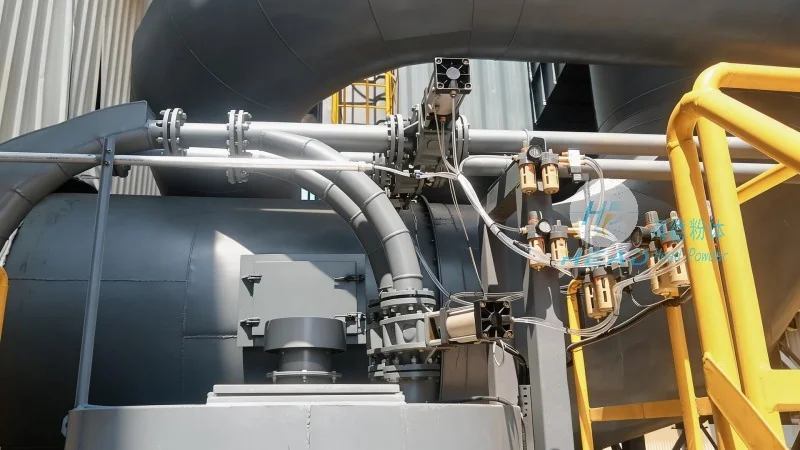
Barley material handling equipment encompasses a range of machinery engineered to move, store, and process barley grains from the field to the processing plant. These systems are designed to accommodate the unique characteristics of barley, including its size, density, and moisture content. The primary objective of these equipment is to transport barley safely and efficiently, minimizing damage and loss during transit. Common types of barley material handling equipment include conveyors, elevators, and storage silos. Each component works in concert to create a seamless flow of barley from the harvest stage to the final processing stage.
The Design Principles of Barley Material Handling Equipment
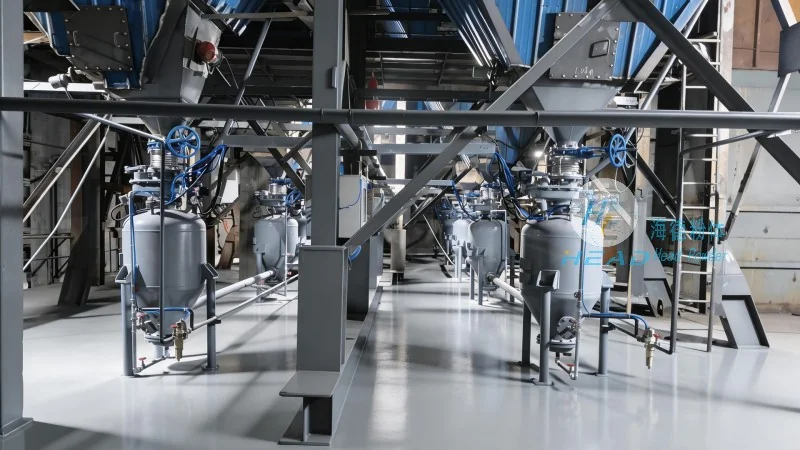
The design of barley material handling equipment is grounded in several key principles that ensure optimal performance and durability. One of the most important principles is the consideration of the physical properties of barley. Engineers must account for the grain's size, shape, and density to design equipment that can handle it without causing breakage or contamination. For example, conveyor system designs may involve specific belt materials and speeds to prevent barley from being crushed or damaged as it moves through the system. Another critical principle is the need for efficient energy use. Modern barley handling equipment is engineered to minimize energy consumption while maximizing throughput, which is essential for cost-effective operations. Additionally, the design must prioritize hygiene and sanitation, as barley is often used in food products and must meet strict quality standards. This includes features like easy-to-clean surfaces and minimal dead zones where grain can accumulate and spoil.
Key Components and Their Functions
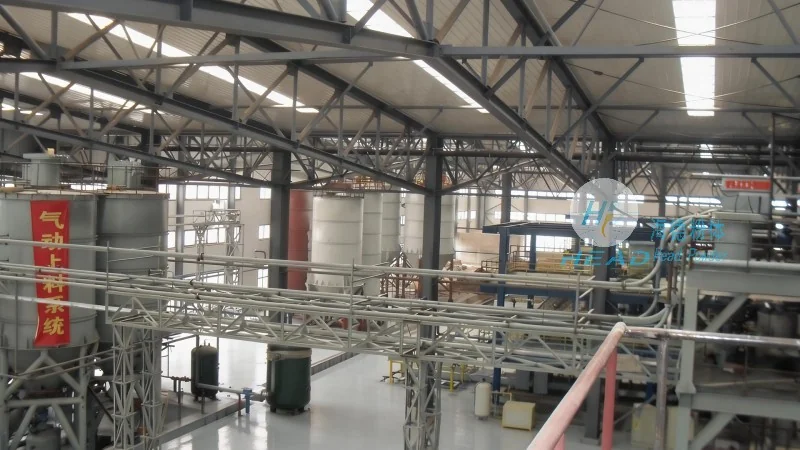
Barley material handling equipment typically consists of several interconnected components, each with a specific function. The first component is often a reception and cleaning system, which removes foreign materials like straw, stones, and dust from the harvested barley. This step is crucial for maintaining the quality of the final product and preventing equipment damage. Following the cleaning process, the barley is transferred to a storage silo or hopper, where it is held until it is ready for processing. From the storage area, the barley is moved to a conveyor or elevator system, which transports it to the processing plant. The conveyor system may include various types of belts, such as belt conveyors or chain conveyors, depending on the specific operational requirements. The elevator system, on the other hand, uses vertical movement to lift the barley to higher levels, such as for loading into trucks or for further processing. Each component is designed to work in harmony with the others to create a continuous flow of barley through the entire handling process.
Importance of Proper Design and Maintenance
Proper design and regular maintenance are essential for the long-term performance and reliability of barley material handling equipment. A well-designed system ensures that the equipment operates efficiently, reduces downtime, and minimizes the risk of breakdowns. Regular maintenance, including cleaning, lubrication, and inspection of moving parts, is necessary to keep the equipment in optimal condition. This not only extends the lifespan of the equipment but also ensures that it continues to meet the high standards required for barley processing. Additionally, the design must consider the environmental conditions in which the equipment will be used, such as temperature and humidity, to ensure that it can operate effectively in various climates. By adhering to these design principles and maintenance practices, barley material handling equipment can provide reliable and efficient service for years to come.
Conclusion
In conclusion, barley material handling equipment is a critical component of the barley processing industry, and understanding its design principles is essential for optimizing operations. The equipment is designed to handle the unique characteristics of barley while ensuring efficiency, durability, and hygiene. By following proper design guidelines and maintaining the equipment regularly, businesses can ensure that their barley handling processes are smooth and effective. The continuous improvement of these systems, driven by advancements in technology, will further enhance the efficiency and quality of barley processing in the future.