

What is a Calcined Lime Material Handling System? What are its Design Principles?
Calcined lime, also known as quicklime, is a critical industrial material widely used in various sectors such as construction, chemical processing, and environmental treatment. The efficient and reliable transportation of this material from production sites to end-users is essential for maintaining operational efficiency and ensuring product quality. This article explores the concept of a calcined lime material handling system, detailing its components, operational principles, and key design considerations, with a focus on the expertise of Shandong HeadPowder Engineering Co., Ltd., a leading provider in the field.
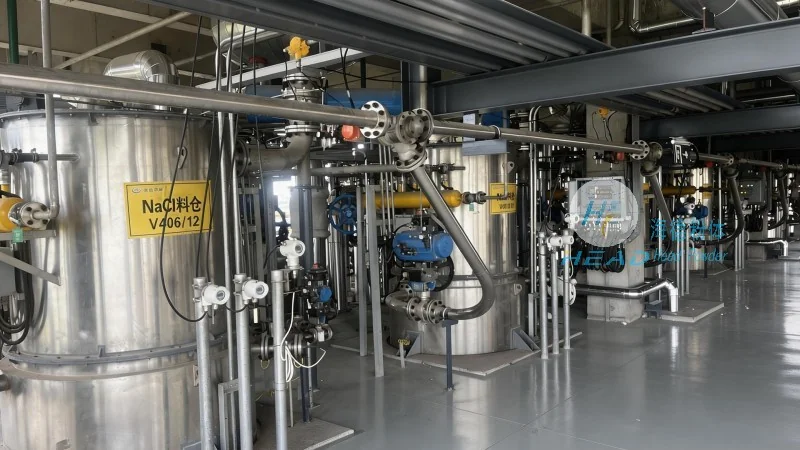
Understanding the Calcined Lime Material Handling System
A calcined lime material handling system is a specialized setup designed to transport calcined lime, which is produced by heating limestone (calcium carbonate) to high temperatures, typically above 900°C. The resulting product is a white, powdery substance with high reactivity. The system integrates various equipment and processes to ensure the safe, efficient, and consistent movement of this material from the calcination plant to storage, processing, or distribution points. Key components often include feeders, conveyors, storage silos, and control systems, all working in tandem to manage the material flow.
Core Design Principles of the System
The design of a calcined lime material handling system is governed by several fundamental principles aimed at optimizing performance, safety, and durability. First, the system must ensure the material is handled in a manner that minimizes dust generation and exposure to the environment, as calcined lime is a fine powder that can cause respiratory issues and equipment wear. This is typically achieved through enclosed conveying systems, dust collection equipment, and proper sealing of storage and transfer points. Second, the system must accommodate the material's physical properties, such as its high reactivity and tendency to clump or agglomerate. Design considerations include the use of specialized feeders (e.g., rotary or vibratory feeders) that can handle the material's flow characteristics without causing blockages or uneven discharge. Third, the system must prioritize safety, given the material's potential to cause burns or irritation upon contact with skin or eyes. This involves implementing appropriate safety measures, such as explosion-proof components, dust suppression systems, and access controls to prevent unauthorized entry into hazardous areas.
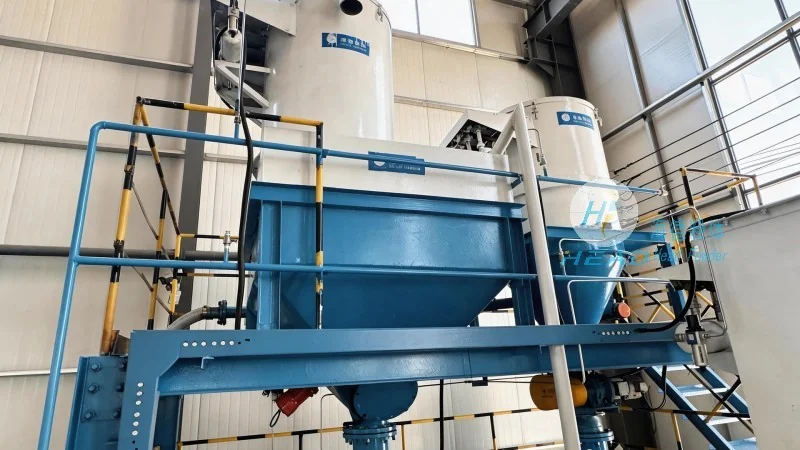
Key Components and Their Functions
The effectiveness of a calcined lime material handling system relies on the integration of several critical components, each serving a specific function in the material flow. The primary components include:
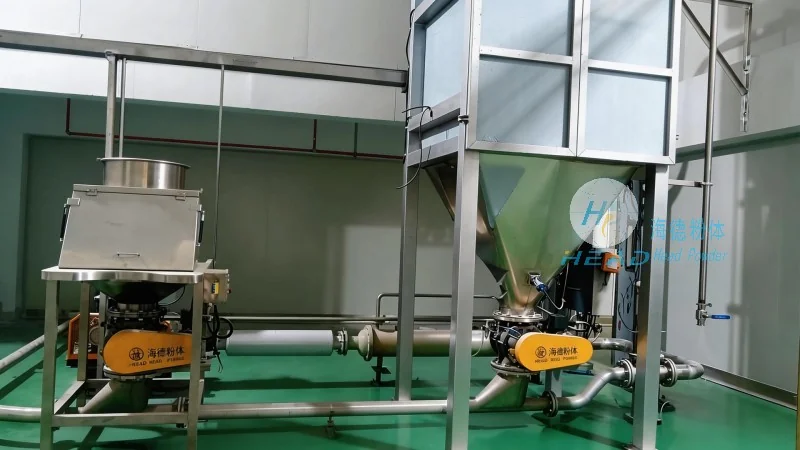
- Calcination Plant and Material Preparation: The process begins with the calcination of limestone in a kiln. The hot, powdered lime is then cooled and prepared for transport. This step ensures the material is in the correct form for subsequent handling.
- Feeding Equipment: Feeders, such as rotary or vibratory types, are used to regulate the flow of calcined lime from storage silos or hoppers to the conveying system. These devices ensure a consistent and controlled discharge rate, preventing overloading or underloading of the conveyor.
- Conveying Systems: Conveyors, commonly belt or screw conveyors, transport the calcined lime from the feeding point to the storage or processing area. Belt conveyors are preferred for long-distance transport due to their high capacity and ability to handle large volumes of material. Screw conveyors are often used for vertical or horizontal short-distance transport, providing flexibility in system layout.
- Storage Silos: Large storage silos are used to store the calcined lime, allowing for bulk storage and controlled release. The silos are typically made of durable materials, such as steel or concrete, and equipped with internal liners to prevent corrosion from the material's acidic properties.
- Dust Collection and Control Systems: To manage dust and ensure environmental compliance, the system includes dust collection equipment, such as baghouses or cartridge filters. These systems capture airborne particles and return them to the material stream or safely dispose of them, reducing health hazards and equipment wear.
- Control and Monitoring Systems: Modern material handling systems incorporate advanced control systems that monitor parameters such as flow rate, pressure, and temperature. These systems allow for real-time adjustments and troubleshooting, ensuring optimal performance and preventing system failures.
Operational Considerations and Maintenance
Proper operation and maintenance of a calcined lime material handling system are crucial for its longevity and efficiency. Regular maintenance tasks include cleaning and lubricating feeders and conveyors, inspecting for wear and tear on components, and checking the functionality of dust collection systems. Additionally, operators must be trained on the safe handling of calcined lime, including proper PPE (personal protective equipment) usage and emergency procedures. The system's design should also account for potential operational challenges, such as material buildup or blockages, by incorporating features like automatic cleaning mechanisms or emergency shut-off valves.
Conclusion
A calcined lime material handling system is a sophisticated and essential component of industrial operations, ensuring the efficient and safe transport of this vital material. By adhering to fundamental design principles and integrating appropriate components, these systems can optimize material flow, minimize downtime, and enhance overall operational performance. For industries relying on calcined lime, investing in a well-designed and maintained material handling system is a critical step toward achieving operational excellence and meeting regulatory requirements. Shandong HeadPowder Engineering Co., Ltd. specializes in providing customized solutions for calcined lime material handling, combining advanced technology with industry expertise to meet the diverse needs of clients worldwide.