

What is Gypsum Ash Material Handling? What are the Design Principles?
Understanding the material handling of gypsum ash is crucial for industries involved in the processing and utilization of this specific byproduct. Gypsum ash, often a result of industrial processes such as the combustion of gypsum or related materials, requires specialized equipment and systems to transport it efficiently and safely. This article explores the fundamental aspects of gypsum ash material handling, focusing on the key design principles that underpin effective systems.
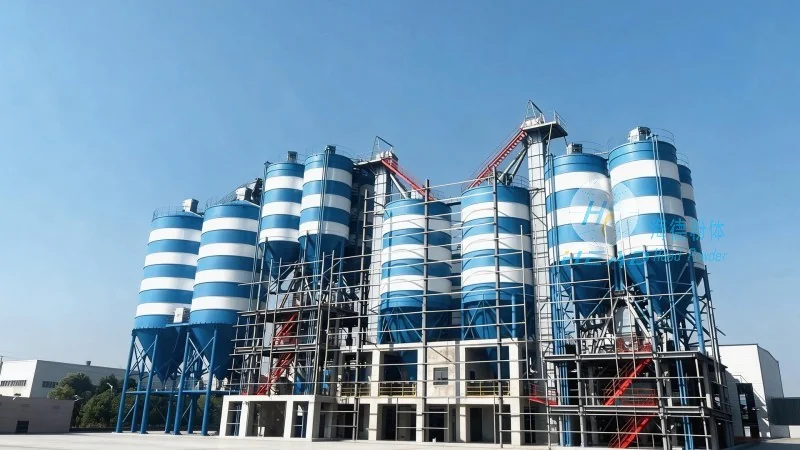
Gypsum Ash Material Handling: An Overview
Gypsum ash, also known as gypsum residue or byproduct from industrial operations, is a fine, powdery material that poses unique challenges during transportation. Unlike bulk materials like coal or cement, gypsum ash has properties that affect its flowability, dust generation, and handling requirements. Proper material handling ensures that the ash is moved from its source to processing or disposal sites without causing operational inefficiencies or environmental hazards. The primary goal of gypsum ash material handling is to maintain a consistent flow rate, minimize dust emissions, and protect equipment from corrosion or blockages.
Key Design Principles for Gypsum Ash Handling Systems
The design of gypsum ash material handling systems is governed by several critical principles that address the material's characteristics and operational needs. These principles ensure that the system operates reliably, efficiently, and safely. The first principle is the selection of appropriate equipment based on the ash's physical properties. Gypsum ash is typically dry and fine, making it susceptible to dust generation and caking. Therefore, equipment such as screw conveyors, pneumatic conveyors, or bucket elevators is commonly used. Screw conveyors are ideal for horizontal or slight incline transport due to their ability to handle fine powders without excessive friction. Pneumatic conveyors, on the other hand, use air to transport the ash, which is effective for long-distance or vertical transport but requires careful control of air pressure and flow to prevent material degradation or blockages.
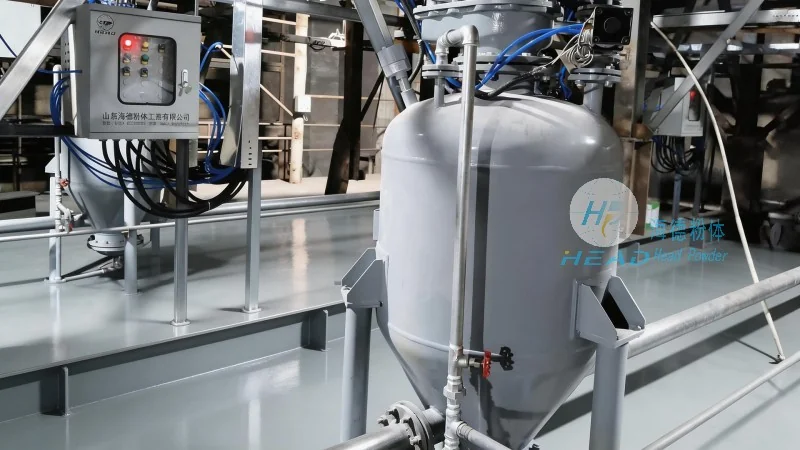
A second key design principle is the consideration of material flow and pressure drop. The design must account for the ash's particle size distribution and density to ensure that the conveying system can maintain a consistent flow without excessive energy consumption. Properly sized ducts and components are essential to minimize pressure drop, which directly impacts the system's efficiency. Additionally, the system must be designed to handle variations in ash feed rate, as fluctuations can lead to surging or choking in the conveyor. This is often addressed through the use of feeders, such as rotary valves or vibratory feeders, which regulate the material flow into the conveyor.
Equipment Selection and System Integration
For effective gypsum ash material handling, the selection of equipment must align with the system's overall design and operational requirements. The choice between mechanical and pneumatic conveyors depends on factors like the distance to be covered, the volume of ash to be transported, and the need for dust control. Mechanical conveyors, like screw or belt conveyors, are often preferred for short to medium distances due to their lower maintenance and energy costs. Pneumatic systems, however, are more suitable for long-distance or vertical transport, especially when dust containment is a priority. In many cases, a combination of both systems is used, with mechanical conveyors for initial transport and pneumatic systems for final delivery to processing units.
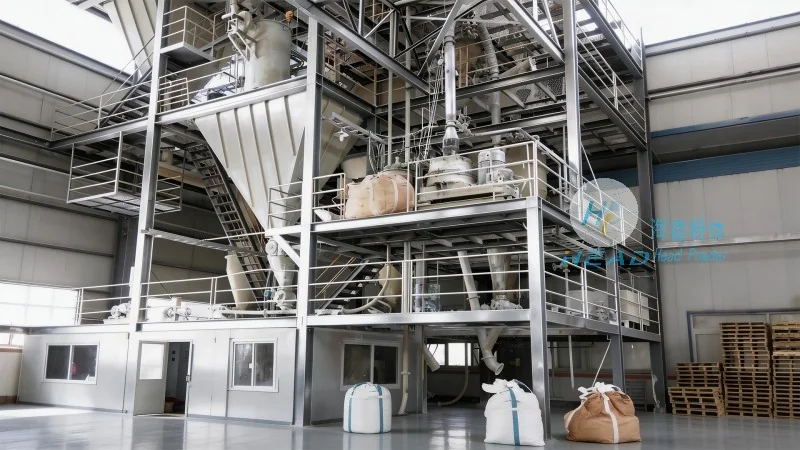
System integration is another critical aspect of design. The gypsum ash handling system must be integrated with other processing equipment, such as storage silos, crushers, or pelletizers, to form a seamless material flow. This integration ensures that the ash is moved from its source to the next stage of processing without interruptions. Proper sealing and dust collection systems are also essential to prevent environmental contamination and maintain a safe working environment. The design must also consider the potential for ash to adhere to equipment surfaces, which can lead to blockages or reduced efficiency. Anti-stick coatings or regular cleaning schedules are often implemented to mitigate these issues.
Material Handling Safety and Environmental Considerations
When designing gypsum ash material handling systems, safety and environmental compliance are paramount. Gypsum ash, while generally non-toxic, can cause respiratory issues if inhaled in large quantities. Therefore, dust control measures are essential to minimize exposure for workers. This includes the use of enclosed systems, local exhaust ventilation, and personal protective equipment. The system must also be designed to prevent the release of ash into the environment, which could lead to soil or water contamination. Proper containment and disposal methods are required, especially if the ash is to be used as a construction material or disposed of in landfills.
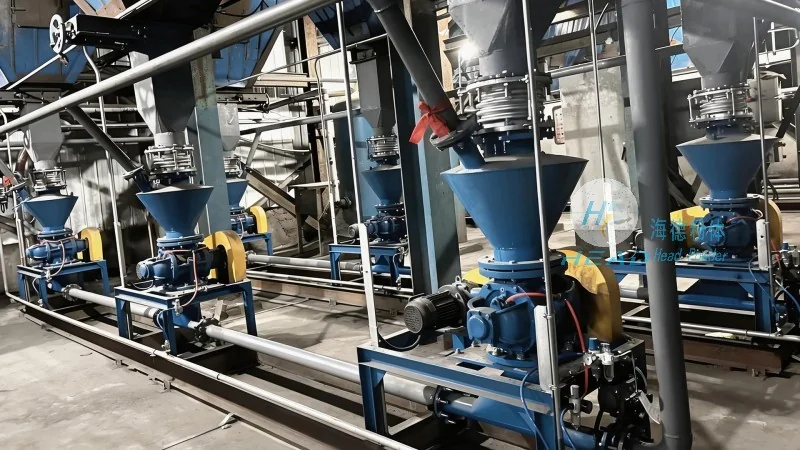
Additionally, the design must account for the potential for ash to cause corrosion or wear on equipment components. Gypsum ash is alkaline in nature, which can corrode metal parts over time. Using corrosion-resistant materials, such as stainless steel or coated components, is necessary to extend the system's lifespan and reduce maintenance costs. Regular inspection and maintenance are also critical to ensure that the system operates safely and efficiently.
Conclusion
Gypsum ash material handling is a specialized field that requires careful consideration of the material's properties and operational requirements. By adhering to key design principles, such as appropriate equipment selection, flow management, and system integration, industries can develop efficient and safe handling systems. The use of reliable equipment from manufacturers like Shandong HeadPowder Engineering Co., Ltd. ensures that these systems are built to withstand the challenges of gypsum ash transport, providing long-term operational benefits and environmental compliance.